
Florida Probate Guide | Coral Gables, FL
Who Owns a Home During Probate in Florida?
Trust Counsel, PL explains how a house is handled during probate, what heirs and personal representatives should know, and when to get legal advice.
By Leslie V. Marenco · Published November 4, 2026
Who owns a home during probate in Florida? Under Florida law, the right to a house generally passes to the people entitled to it when the owner dies. The personal representative (often called an executor) controls the property while probate is open. That split causes most of the confusion.
What Happens to Title to a Home When Someone Dies in Florida
The right to a home generally vests in the heirs or devisees at death, subject to the estate’s administration. Fla. Stat. § 732.514 says death is the event that vests the right to devises, unless the will says another event must happen first. Fla. Stat. § 732.101 says the same for property not disposed of by will.
“Generally” matters. A will can set a different event, and the estate still has to be administered.
Vesting is not the same as control. The deed may still show the decedent’s name. The legal right has moved to the people entitled to it, but the house stays inside the estate until administration ends.
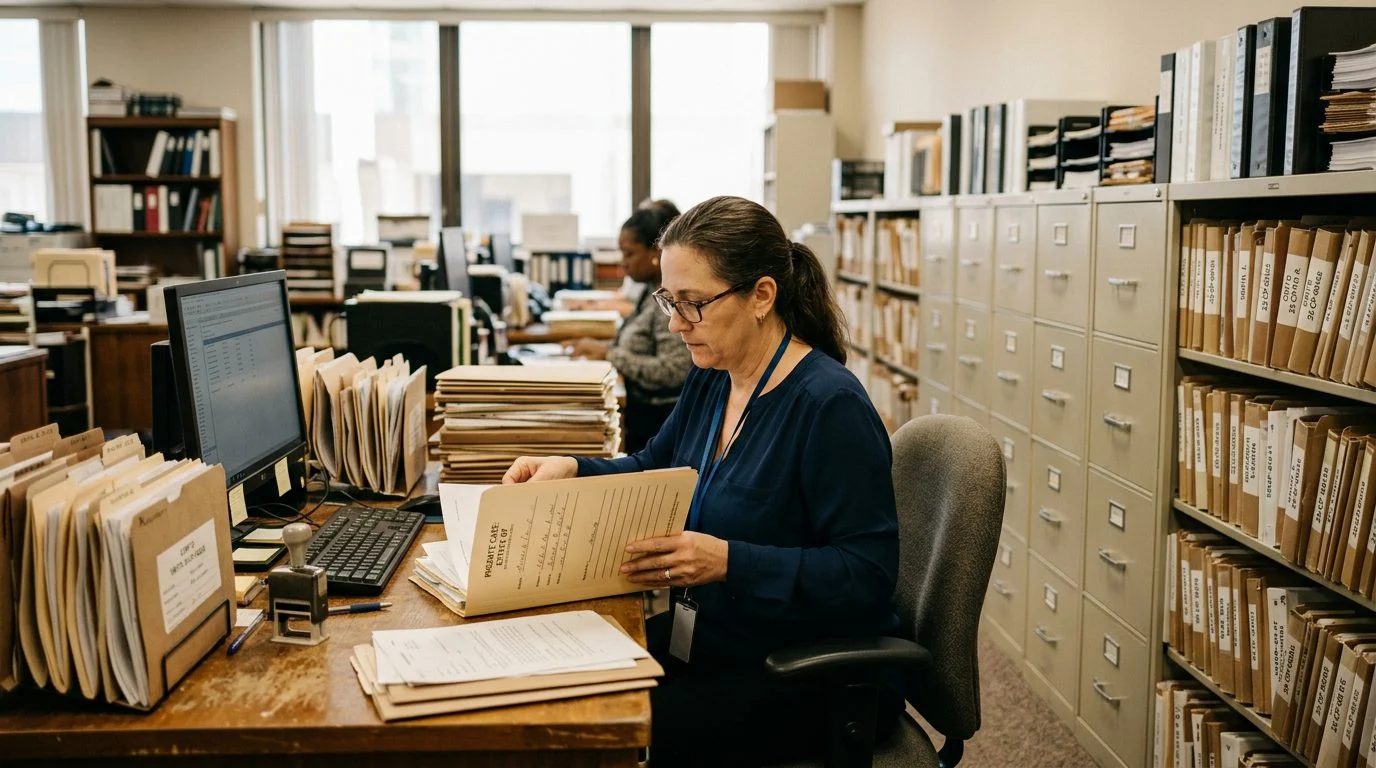
Probate is the court process that identifies the estate’s assets and the people entitled to them. Trust Counsel’s probate litigation attorney page covers the broader process.
If a family home sits closed while probate stays open, you don't have to sort out the keys, the deed and the court papers alone. Trust Counsel can talk through your situation. Talk it through with Trust Counsel, PL — the first consultation is free, confidential, and carries no obligation.
The Personal Representative’s Authority Over the House
The personal representative generally has the right to possess and manage a house while probate is open. Except as otherwise provided by a decedent’s will, Fla. Stat. § 733.607 gives every personal representative the right to take possession or control of the decedent’s property, except the protected homestead and a surviving spouse’s one-half share of property covered by the Florida Uniform Disposition of Community Property Rights at Death Act, which the personal representative has no right to and shall not knowingly take possession or control of.
The same statute requires the personal representative to take all steps reasonably necessary to manage, protect and preserve the estate. For a house, that often means keeping it secured, insured and maintained. The personal representative does not own the house personally. The role is to act for the estate.
Selling is a separate question. Section 733.607 addresses a personal representative’s right to possess and control the decedent’s property, not whether a sale of real property needs court confirmation, which is a separate question. That is why buyers often ask to see the court’s paperwork.
Fla. Stat. § 733.504 lists the causes for removing a personal representative and revoking letters.
How Homestead and a Surviving Spouse Change the Answer
A Florida homestead generally follows its own rules, so check that question first. Fla. Const. art. X, § 4 exempts a homestead owned by a natural person from forced sale, except for the payment of taxes and assessments, obligations for purchase, improvement or repair, and obligations for labor performed on the realty. Under Fla. Const. art. X, § 4, a homestead located outside a municipality is exempt to the extent of one hundred sixty acres of contiguous land and improvements thereon, and a homestead located within a municipality is exempt to the extent of one-half acre of contiguous land.
A homestead that qualifies is excluded from the personal representative’s general right to possession under § 733.607. Under Fla. Const. art. X, § 4(c), an owner survived by a spouse or a minor child generally may not devise the homestead, except that it may be devised to the spouse when there is no minor child. Under Florida’s homestead rules, a homestead may be devised to the owner’s spouse only if there is no minor child or minor children.
If the homestead passes by descent, a surviving spouse with descendants takes a life estate. Fla. Stat. § 732.401 lets the spouse instead elect an undivided one-half interest. That election must be made within 6 months after death, and it is irrevocable once made.
What Changes When There Is No Will?
Without a will, Florida law decides who inherits the house. Fla. Stat. § 732.102 gives a surviving spouse the entire intestate estate if there are no surviving descendants. If there are descendants of the decedent who are not descendants of the spouse, the spouse takes one-half of the intestate estate; if all of the decedent’s descendants are also the spouse’s, the spouse takes one-half when the spouse has other descendants who are not the decedent’s, and the entire intestate estate when the spouse has no other descendants.
Fla. Stat. § 732.103 covers the rest. Descendants take the part not passing to the spouse first. If there are none, the decedent’s father and mother take equally, or the survivor of them does.
Several heirs can end up owning one house together. They may disagree about selling, renting or living there. Trust Counsel’s page on who inherits in Florida without a will walks through each heir category.
Disputes, Delays and Your House Question
Disputes over a house usually come down to who controls it, who lives in it, or who pays for it. Common problems include a relative living in the home, unpaid property taxes or insurance, and a personal representative who does not account for the property.
Delay tends to make these problems harder to fix. Early answers about authority and whether a sale needs court approval often narrow the conflict.
Trust Counsel’s attorneys can serve individually as trustee or personal representative. The firm advises and represents trustees, personal representatives and beneficiaries. Leslie V. Marenco is the responsible attorney for this page. Trust Counsel, PL’s only office is in Coral Gables, Florida.
Trust Counsel offers a free first consultation, which is confidential and carries no obligation to continue. If a family home is sitting closed while probate stays open, you don’t have to sort out the keys, the deed and the court papers alone. Call (305) 707-7126 or schedule online to talk through your situation.
Common Questions
Does a house pass to heirs when someone dies in Florida?
The right generally vests in the heirs or devisees at death, subject to administration. Fla. Stat. § 732.514 sets the rule for devises.
Can a personal representative sell a house without court approval?
Sometimes. A will with a specific power of sale allows it under § 733.613.
Can a surviving spouse keep a Florida homestead?
Florida’s rules depend on whether there is a minor child and how the home is titled.
How Trust Counsel, PL Helps Florida Families
Based in Coral Gables
Trust Counsel, PL's only office is in Coral Gables. We serve clients in Fort Lauderdale, Boca Raton, West Palm Beach, Doral, Kendall, Pinecrest, Key Biscayne, Aventura and across Florida.
Representation for every side
The firm advises and represents trustees, personal representatives and beneficiaries in probate and trust matters.
Attorneys who can serve as fiduciaries
Trust Counsel's attorneys can serve individually as trustee or personal representative. The firm itself does not serve as a fiduciary.
Confidential first conversation
Our free first consultation is confidential and comes with no obligation to continue.
Check the title before you act
The deed, the will and any trust can affect who holds title to a Florida home. Review those documents with a lawyer before you sell, transfer or list the property.
Probate and Trust Matters We Handle
Probate litigation
Trust Counsel, PL represents heirs, beneficiaries and fiduciaries in contested probate matters, including disputes over property held in an estate.
Trust administration
We advise trustees and beneficiaries on administering a trust, including the handling of real estate held in trust.
Estate planning
Our estate planning attorneys help families decide how a home and other assets will pass, so fewer questions remain for probate.
Guardianship
Trust Counsel, PL assists families with guardianship matters when a loved one needs protection and decision-making support.