
Probate & Trust Litigation | Coral Gables, Florida
Signed a Will in the Hospital? Here's What Florida Families Should Know
Trust Counsel, PL focuses on probate and trust litigation for beneficiaries, heirs and fiduciaries. Leslie V. Marenco can review the circumstances of a will signed during a hospital stay and explain your options.
By Leslie V. Marenco · Published October 27, 2026
Short Answer: Does Signing a Will in a Hospital Bed Make It Invalid?
The real questions are whether the signing followed Florida’s formal rules, whether the person was of sound mind, and whether fraud, duress, mistake, or undue influence played a part. The answer depends on the facts of the signing and the surrounding circumstances. If a will was signed during a hospital stay, start by knowing which questions the law asks. This page walks through what you can check: the formalities, capacity, influence, witnesses, and deadlines.
If a parent or relative signed a will while in the hospital, you don't have to sort out the questions alone. Trust Counsel, PL can talk with you about what the signing means for you. Talk it through with Trust Counsel, PL — the first consultation is free, confidential, and carries no obligation.
What Florida Law Requires for a Valid Will
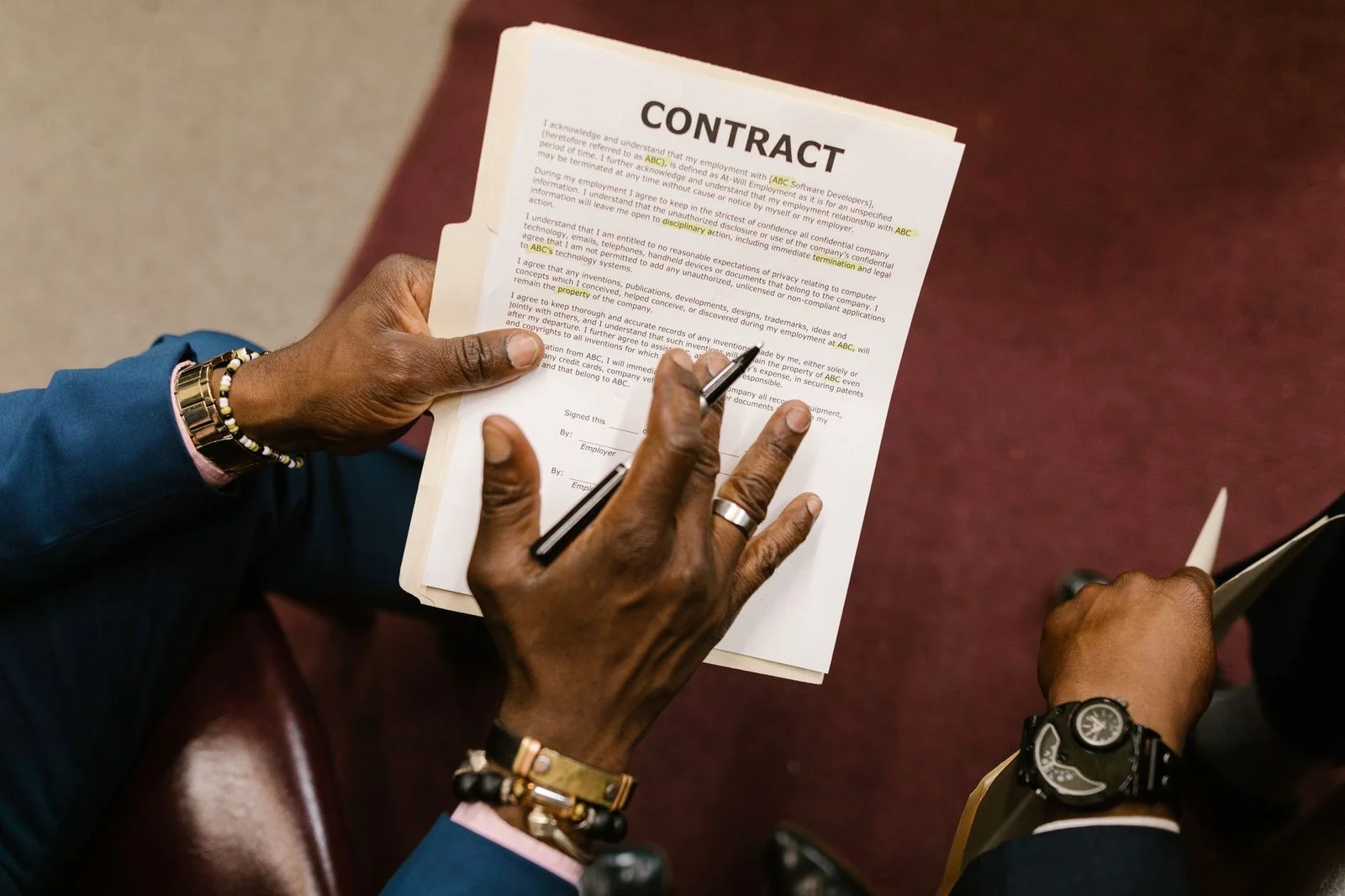
A Florida will must be in writing. The person must sign at the end, or someone else must sign the name in their presence and at their direction.
The statute does not require any particular form of words if these formalities are met. It also does not list a hospital or care setting as a requirement. A hospital room does not add or remove these steps.
The person making the will must be 18 or older, or an emancipated minor, and of sound mind (Fla. Stat. § 732.501). If a required formality is missing, that defect can be raised as a challenge on its own. That is why the details of who was in the room, and when each signature happened, are worth writing down now.
Testamentary Capacity: Was the Person Able to Make a Will When Signing?
Capacity is the legal question of whether the person was of sound mind when the will was signed. Florida law uses the phrase “sound mind” for this test (Fla. Stat. § 732.501). Under Fla. Stat. § 732.501, a person may make a will if they are of sound mind and are either 18 or more years of age or an emancipated minor. So the diagnosis alone does not settle the question.
Hospital settings raise specific concerns. Pain, sedation, and medication can be raised as evidence about the person’s state of mind. Such facts are weighed with everything else. They are not treated as automatic proof of anything.
The most useful evidence usually comes from the time around the signing. Physician notes, nursing notes, medication records, and accounts from people present can show how alert the person was that day. Records from the same day can be the most direct evidence of the person’s condition at signing. They are easier to review while the events are still recent.
Undue Influence, Fraud, Duress, and Mistake
Florida law says a will is void if fraud, duress, mistake, or undue influence procured its execution (Fla. Stat. § 732.5165). The statute lists fraud, duress, mistake and undue influence as grounds on which a will, or any part of it, can be declared void.
If only part of a will was procured this way, that part is void. The rest can stand if it is not invalid for other reasons (Fla. Stat. § 732.5165).
Florida also has a presumption of undue influence. It applies to certain transactions and shifts the burden of proof. It rests on public policy against abuse of fiduciary or confidential relationships (Fla. Stat. § 733.107). A hospital stay can place a patient near caregivers and relatives. That is one reason these questions come up.
Witness Testimony and Medical Records in a Will Challenge
Witness testimony matters because the attesting witnesses are the people who saw the signing. In a will contest, the proponent must first establish the will’s formal execution and attestation. A self-proving affidavit executed in accordance with s. 732.503, or an attesting witness’s oath executed as required in s. 733.201(2), is admissible and establishes prima facie the formal execution and attestation (Fla. Stat. § 733.107). After that, the contestant must establish the grounds for the challenge (Fla. Stat. § 733.107).
A will can be made self-proved at signing or later. This happens through the person’s acknowledgment and the witnesses’ affidavits before an authorized officer (Fla. Stat. § 732.503).
Any person competent to be a witness may act as one. A will is not invalid just because an interested witness signed it (Fla. Stat. § 732.504). Under Fla. Stat. § 732.504, a will or codicil, or any part of either, is not invalid because the will or codicil is signed by an interested witness.
In practice, witnesses may be asked what the person said and whether the person appeared to understand the document. They may also be asked whether the required steps happened. Nurses, aides, and visitors who were present may be asked what they saw. Medical records and witness accounts are usually read together.
Time Limits for Objecting to a Will in Florida
An interested person served with a notice of administration must file any objection to the will’s validity within 3 months after service (Fla. Stat. § 733.212). If the objection is not filed in time, it is forever barred (Fla. Stat. § 733.212). The period can be extended only for estoppel based on a personal representative’s misstatement of the deadline (Fla. Stat. § 733.212).
The outside limit is 1 year after service, or the entry of a final discharge order if that comes earlier (Fla. Stat. § 733.212). Under Fla. Stat. § 733.212, persons who may be entitled to exempt property under s. 732.402 are deemed to have waived that right unless a petition for determination of exempt property is filed by them or on their behalf on or before the later of 4 months after service of the notice of administration on them or 40 days after the termination of any proceeding involving the construction, admission to probate, or validity of the will, or involving any other matter affecting any part of the exempt property. Appointing a personal representative does not restart the clock unless a new will or codicil is admitted (Fla. Stat. § 733.212).
Because the clock starts at service, the date on the notice you received is important to note. A contest also cannot start before the person who made the will has died (Fla. Stat. § 732.518). Gathering records and dates early helps you understand your options before any deadline passes.
Quick answers
Can a will be challenged in Florida?
Under Fla. Stat. § 732.5165, a will is void if its execution is procured by fraud, duress, mistake, or undue influence. The challenge must rest on a ground the law allows, such as improper signing, lack of sound mind, or undue influence.
How long do I have to object to a Florida will?
Under Fla. Stat. § 733.212, an interested person served with a copy of the notice of administration must file any objection challenging the validity of the will, the venue or the jurisdiction of the court on or before the date that is 3 months after the date of service, or those objections are forever barred. That period may be extended only for estoppel based on a misstatement by the personal representative about the time to object.
Fla. Stat. § 733.212 does not address who can witness a Florida will; it requires the personal representative to promptly serve a copy of the notice of administration on persons known to the personal representative, such as the decedent’s surviving spouse and beneficiaries. An interested witness’s signature alone does not make the will invalid.
Not sure what your next step is?
Talk it through with Trust Counsel, PL — the first consultation is free, confidential, and carries no obligation.
Talking With Trust Counsel, PL About a Hospital-Signed Will
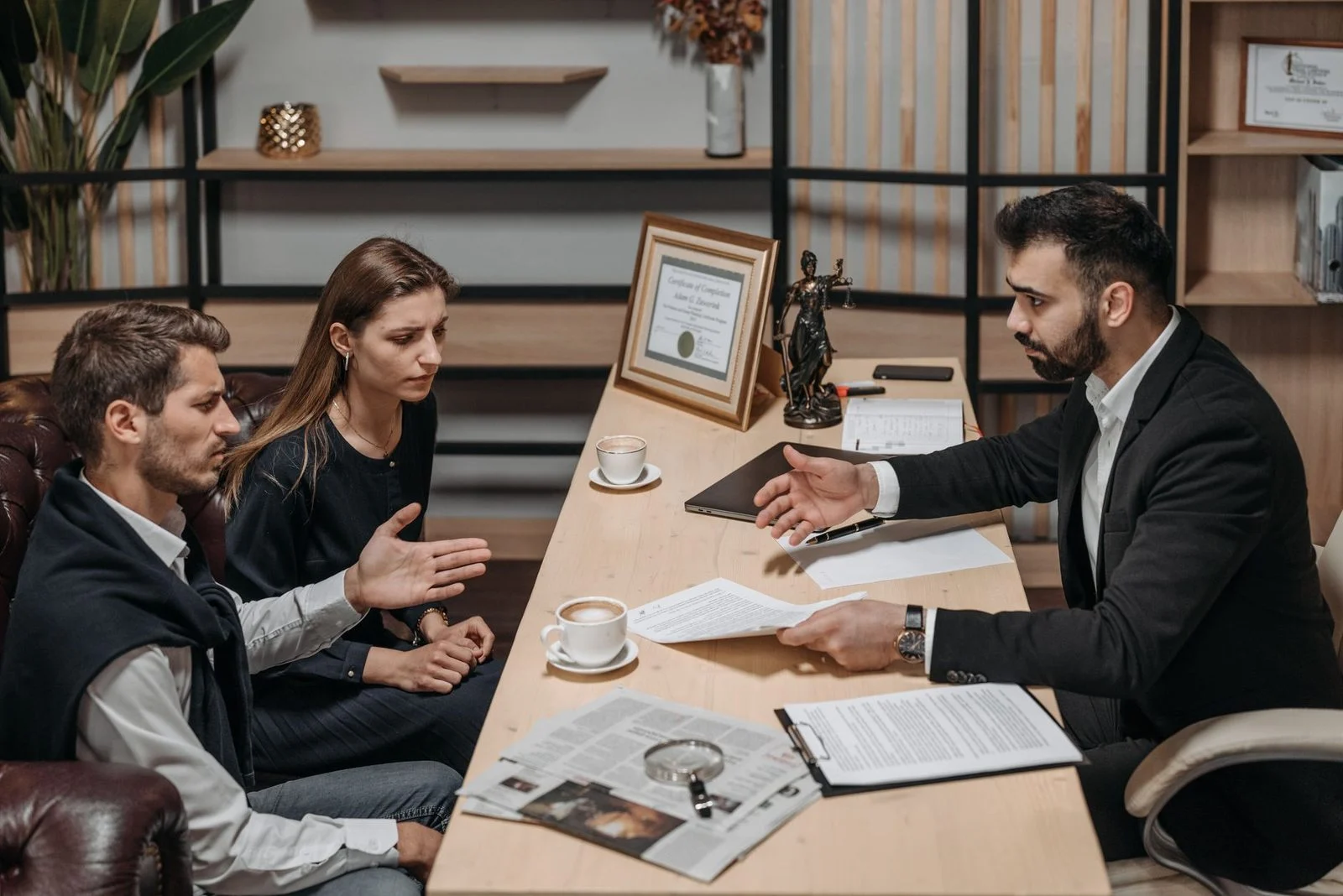
If a parent or relative signed a will in the hospital, you may be watching their decisions unfold. You may not be looking for a lawyer yet, and that is a reasonable place to start. Questions about the signing, the witnesses, and the timing are worth reviewing with a lawyer when you’re ready.
Trust Counsel, PL is a trusts and estates law firm based in Coral Gables, Florida. Its only office is in Coral Gables, and we serve clients in Florida. The firm focuses on probate litigation and trust litigation. The firm advises and represents trustees, personal representatives and beneficiaries. Trust Counsel’s attorneys can serve individually as trustee or personal representative. Leslie V. Marenco is the responsible lawyer for this page. The firm’s lawyers include Leslie V. Marenco and Tanya Vega.
The first consultation is free, confidential, and without obligation to continue. Call (305) 707-7126 or schedule online.
How the firm approaches a hospital-signed will
Review the signing record
We look at who was present, when the document was signed, and what the medical and facility records show about the signer's condition at that time.
Identify the people involved
The firm examines who arranged the visit, who gave instructions, and whether any beneficiary or caregiver had a role in the document's preparation.
Represent beneficiaries, heirs and fiduciaries
The firm advises and represents trustees, personal representatives and beneficiaries in will contests and related probate disputes. Trust Counsel's attorneys can serve individually as trustee or personal representative.
Coral Gables office, South Florida clients
Our office is in Coral Gables. We serve clients in Fort Lauderdale, Boca Raton, West Palm Beach, Doral, Kendall, Pinecrest, Key Biscayne and Aventura.
Don't assume the will is valid or invalid
A will signed in a hospital is not automatically void, and it is not automatically enforceable. The circumstances of the signing, including the signer's capacity and whether anyone influenced the decision, usually determine the outcome. Gather the documents you have and speak with counsel promptly.
Steps to take before you call
Keep the original document
Store the original will safely and do not alter or annotate it. Note where it was found and who had access to it.
Collect hospital records
Request admission, discharge and medication records from the relevant period, along with the names of staff who were present.
Write down what you remember
Record dates, conversations and who was in the room while the signing took place, while the details are still fresh.
Talk with Trust Counsel, PL
Leslie V. Marenco can review your situation in a confidential first consultation and explain how the matter may be handled.
Talk with Leslie V. Marenco about a will signed in the hospital
Related practice areas
- Trust Litigation Attorney
- Trust Litigation Attorney in Florida
- Trust Litigation Attorney in Fort Lauderdale
- Handwriting Examiner Will Contest Florida Guide