

Florida Trusts & Estates | Coral Gables
Assets Not in Trust: What Happens to Them in Florida
Learn which assets fall outside a trust, how Florida treats them, and how to coordinate them with your plan.
By Leslie V. Marenco · Published October 21, 2026
It can end up in probate instead, unless another document or designation covers it. Here is how to find those assets and what beneficiaries should review.
Why Property Left Out of a Florida Trust Can End Up in Probate
Under Fla. Stat. § 733.103, a will cannot prove title to the testator’s property until it is admitted to probate.
A revocable trust is a trust the creator, called the settlor, can change during life.
Funding means actually moving assets into the trust. An unfunded trust is a signed document that holds few or no assets. Signing is only the first step. A deed, account registration or beneficiary form does the work of moving ownership.
If a parent signed a trust but never retitled the house, the house may still be in the parent’s name at death. That property generally goes through probate under chapter 733. A personal representative (often called an executor) settles and distributes the estate, as § 733.602 describes. Whether a specific asset needs probate depends on the facts of the estate.
Not sure what your next step is?
Talk it through with Trust Counsel, PL — the first consultation is free, confidential, and carries no obligation.
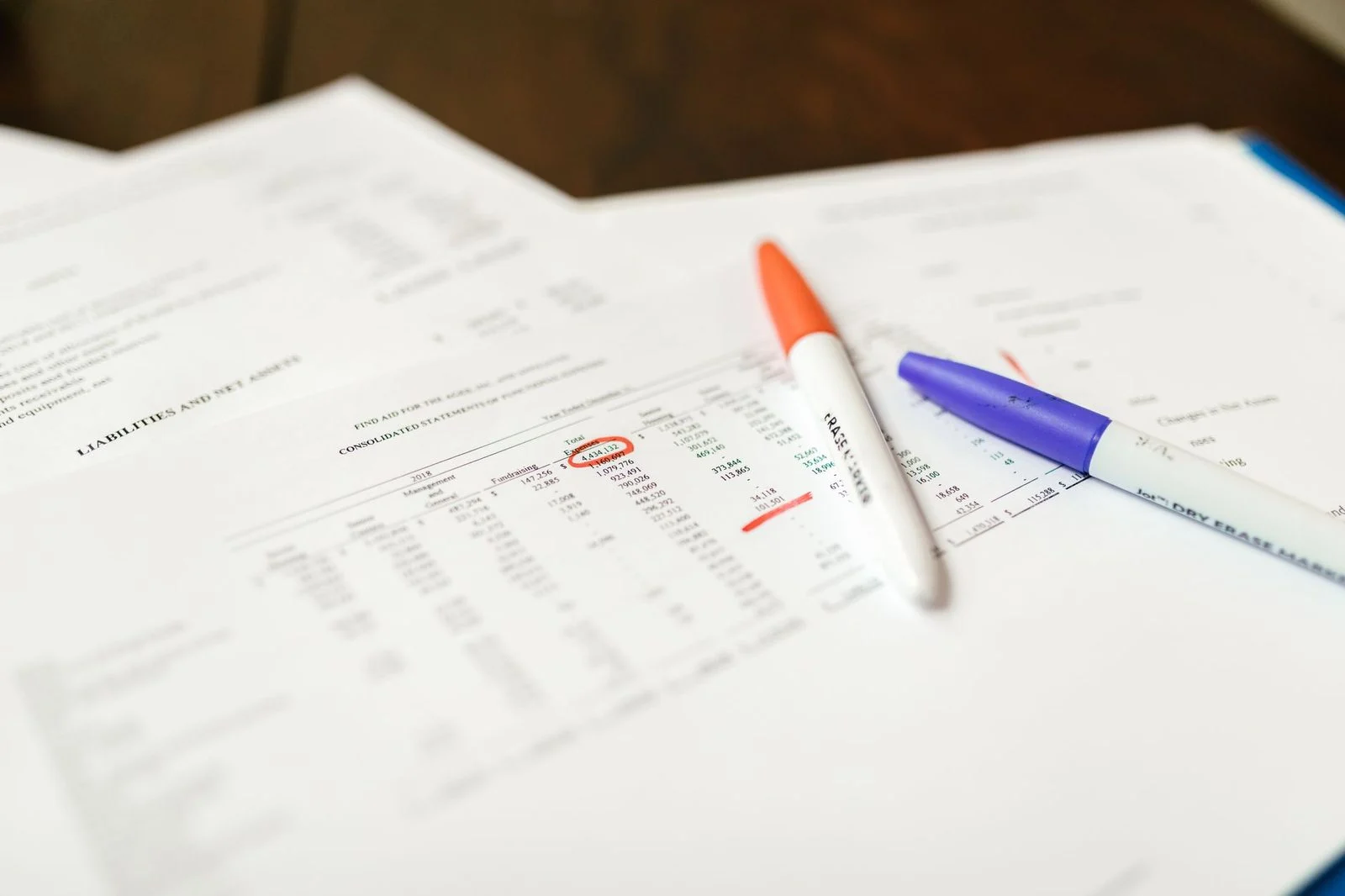
How Unfunded Assets Are Identified
Compare the trust schedule with the title and registration records for each asset. Start with records that show who owns each item, not with memory or the trust’s list.
Check real estate first. Pull the recorded deed for each property.
Next, review bank, brokerage and investment accounts. The registration line shows the owner. Look also for a payable-on-death (POD) or transfer-on-death (TOD) designation, since that form names who receives the account at death.
Then look at business interests, vehicles and other titled property. Ownership records for these often show only the individual’s name. Business records may show a membership interest or share that was never assigned to the trust.
Finally, write an inventory. List each asset, its owner of record and any beneficiary form. Compare that list with the trust schedule. Anything in the individual’s name that is missing from the schedule needs a closer look.
A common mistake is assuming a family member’s name on an account means it is in the trust. Another is relying on the trust schedule alone. Ask for the original forms.
Assets That Commonly Stay Outside the Trust
Several types of property often stay outside a trust, even when the trust was signed years earlier. Each one needs its own check.
Real estate bought after the trust was signed is the first. A new purchase or refinance does not move itself into the trust. Under § 736.0401, a trust may be created by a transfer of property to another person as trustee, by a will or other disposition taking effect on the settlor’s death, by a declaration by the owner that the owner holds identifiable property as trustee, or by the exercise of a power of appointment in favor of a trustee.
Financial accounts opened in one person’s name are the second. The same is true for accounts that name a person, rather than the trust, as beneficiary.
Interests in closely held businesses are the third. A company share or membership interest that was never assigned to the trust remains in the owner’s name.
Property acquired after the trust was signed is the fourth. A car, a boat or a new brokerage account stays outside the trust unless the owner transfers it in.
How a Pour-Over Will and Probate Can Cover Unfunded Property
A pour-over will can send leftover property into a trust, but that property generally goes through probate first. A valid gift may be made to the trustee of a trust if the trust document exists when the will is made, or is signed with it, and the will identifies that document.
Unless the will says otherwise, the gift becomes part of the trust’s principal rather than a separate testamentary trust. That is the rule in § 732.513 itself.
Probate adds time and court involvement. A will does not prove title until it is admitted, as § 733.103 states.
Beneficiary forms work differently. Accounts and insurance policies name their recipient on a separate form. Check each form directly instead of assuming the trust controls it.
Whether a pour-over will reaches a particular asset depends on the facts of each estate. Read the will, the trust and the asset records together.
Who May Claim Property Left Out of a Florida Trust
Heirs at law may also have a claim. If the will does not effectively dispose of an asset, Florida’s intestacy rules apply. Any part of a decedent’s estate not effectively disposed of by will passes to the decedent’s heirs under Florida’s intestacy rules. The personal representative may similarly serve a copy of the notice on heirs or others who claim or may claim an interest in the estate.
Under Fla. Stat. § 732.103, intestate property not passing to a surviving spouse goes first to the decedent’s descendants, then to parents, then to siblings.
The two roles can belong to different people. The trustee administers trust assets and keeps trust property separate from the trustee’s own, under § 736.0810.
Trust Counsel’s attorneys can serve individually as trustee or personal representative, and the firm advises and represents trustees, personal representatives and beneficiaries.

What a Beneficiary Should Review and Next Steps
Gather the trust, any pour-over will, deeds, account statements, beneficiary forms and business records before deciding anything. Then check the deadlines, because they begin once notices are served.
Under Fla. Stat. § 733.212, an interested person served with a notice of administration must object to the will’s validity, venue or jurisdiction within 3 months, or those objections are forever barred. Creditors’ claims follow a separate clock under § 733.702, and the notice to creditors runs in print once a week for 2 consecutive weeks under § 733.2121.
If you found a home, bank account or business interest still in a parent’s name, and you don’t know whether it belongs in the trust or in probate, raise the question early. Call Trust Counsel, PL at (305) 707-7126 or contact us online. The first consultation is free, confidential and carries no obligation to continue. Leslie V. Marenco is the responsible lawyer for this page. Trust Counsel, PL is located in Coral Gables, Florida.
Frequently Asked Questions
Property generally needs a transfer, a will or other disposition taking effect on the owner’s death, a declaration by the owner, or an exercise of a power of appointment in favor of a trustee to join the trust, under § 736.0401.
Can a pour-over will move assets into a trust?
It can: a trust may be created by a will that transfers property to another person as trustee, taking effect on the settlor’s death. The will must still be admitted to probate first, under § 733.103.
How long do I have to object to a will?
Generally 3 months after service of the notice of administration, under § 733.212.
How Trust Counsel can help with assets outside your trust
Review what your trust actually holds
Trust Counsel helps you identify which property is titled in your trust and which property is held in your own name, jointly or by beneficiary designation.
Coordinate the assets left out
Pour-over wills, updated beneficiary designations and clear titling can help the assets outside your trust work together with the rest of your plan.
Guidance for fiduciaries and beneficiaries
The firm advises and represents trustees, personal representatives and beneficiaries when property falls outside a trust and questions arise about how it passes.
Free first consultation
Your initial consultation is free, confidential and without obligation to continue.
Check your beneficiary designations
Outdated forms can send these assets somewhere you did not intend, so review them alongside your trust.
Common assets that often sit outside a trust
Property still in your name alone
Assets never retitled to the trust may need to go through probate, which is why a pour-over will is often part of the plan.