
Trust Counsel, PL | Coral Gables, Florida
What Makes a Trust Legal in Florida?
A plain-language guide to the core requirements a Florida trust must meet, from Trust Counsel, PL in Coral Gables.
By Leslie V. Marenco · Published November 4, 2026
What makes a trust legal? In Florida, a trust is created only when a few basic requirements are met. The person creating it needs capacity and must show intent. Each trust document is different, so questions about a specific trust are worth reviewing with an attorney. If you were handed a trust document after a family member’s death or illness, start with these points.
What a trust is, in plain terms
A trust is an arrangement in which one person holds property for the benefit of another, under terms usually set out in a trust instrument but which may also be established by other evidence admissible in court. The person who creates it is the settlor. The person who manages the property is the trustee. The person who benefits is the beneficiary. Florida law defines a settlor as a person who creates a trust or puts property into it (Fla. Stat. § 736.0103).
One person can hold more than one role. A parent can be both settlor and trustee of a living trust and still name others as beneficiaries.
The trust estate is the property actually placed in the trust. Property never moved into the trust stays outside it, even if the settlor meant it to be inside.
People often call a trust a company. It isn’t a company with shares or a board. A trust is governed by its terms and by the Florida Trust Code.
Trust Counsel’s attorneys can serve individually as trustee or personal representative. The firm advises and represents trustees, personal representatives and beneficiaries. A personal representative (often called an executor) runs a probate estate, which is a separate process from a trust.
If you hold a trust document you don't understand, or you were named in one after a parent's death, you don't have to sort it out alone. Talk it through with Trust Counsel, PL — the first consultation is free, confidential, and carries no obligation.

The core requirements for a valid trust in Florida
- Capacity. The settlor must have capacity to create the trust. For a revocable trust, that is the same capacity needed to make a will (Fla. Stat. § 736.0601).
- A definite beneficiary or permitted purpose.
- Trustee duties. The trustee must have duties to perform.
- No single person in both sole roles. The same person cannot be both the sole trustee and the sole beneficiary.
Fraud, duress, mistake or undue influence can also undo a trust. If the trust was procured that way, that part is void. The remainder of a trust not procured by fraud, duress, mistake, or undue influence is valid if it is not invalid for other reasons (Fla. Stat. § 736.0406).
How a trust is created and funded
A trust can be created by transferring property to a trustee, by an owner declaring that he or she holds identifiable property as trustee, by a will or other disposition that takes effect at death, or by exercise of a power of appointment in favor of a trustee (Fla. Stat. § 736.0401). Often, a settlor signs a trust document and then moves property into it.
Signing is only half of the job. A trust document with no property in it may do little in practice. Check whether bank accounts, real estate and business interests were actually retitled into the trust’s name. Property still titled in the settlor’s own name generally has not moved into the trust.
A testamentary trust is created by a will and takes effect at death. Its administration runs through the will and the probate process. ACTEC’s probate explainer describes how probate works and when disputes need court involvement.
Florida also recognizes trusts that are not written down. The creation of an oral trust, and its terms, must be shown by clear and convincing evidence (Fla. Stat. § 736.0407).
Trust, will, and other terms that cause confusion
A trust and a will are different tools, and a trust can operate while the settlor is alive. A will takes effect at death and goes through probate court. A trust can hold property during life and may help avoid some probate steps, depending on how it is funded.
Unless its terms say it is irrevocable, a settlor may revoke or amend the trust, though this rule does not apply to a trust created under an instrument signed before the Florida Trust Code took effect (Fla. Stat. § 736.0602). That is what makes a revocable trust revocable.
The words “trust deed” usually name a property document, not the trust itself. Read the title on each paper you receive.
Validity turns on the requirements above, the trust’s terms and the facts.
Online summaries can describe a trust in simple words. A summary does not replace the signed trust instrument itself.
Why a trust’s validity is sometimes challenged
Common grounds for challenging a trust include lack of capacity, undue influence, fraud, and a signature or amendment that may not be genuine. The person challenging the trust carries the burden of proving those grounds (Fla. Stat. § 736.0207).
Timing matters. For a revocable trust, a contest generally cannot start until the trust becomes irrevocable or the settlor dies, though a guardian of the property of an incapacitated settlor may bring one. A contest is also barred if it does not start within the earlier of the chapter 95 period or six months after the trustee sends the required notice (Fla. Stat. § 736.0604).
After an irrevocable trust begins, the trustee must notify qualified beneficiaries within 60 days after learning of it. On reasonable request, the trustee must also provide a complete copy of the trust instrument (Fla. Stat. § 736.0813).
Each dispute turns on its own document and evidence. General information cannot predict how a specific trust contest will come out.
Is a trust the right tool? Inheritance, houses and the facts that matter
Whether to put a house in a trust or let it pass by inheritance turns on the facts. How title is held today matters.
Four questions shape the answer:
- Who holds title to the house right now?
- Who is named as trustee and beneficiary, and are they living and willing to serve?
- Is the trust revocable or irrevocable, and has any amendment been signed?
- Has any notice been sent, and when?
A trust signed during an illness can raise capacity and undue influence questions. Readers already in a dispute can learn more about the firm’s trust litigation attorney practice, which covers trust validity and administration disputes.
Not sure what your next step is?
Talk it through with Trust Counsel, PL — the first consultation is free, confidential, and carries no obligation.
Next steps for reviewing a trust document
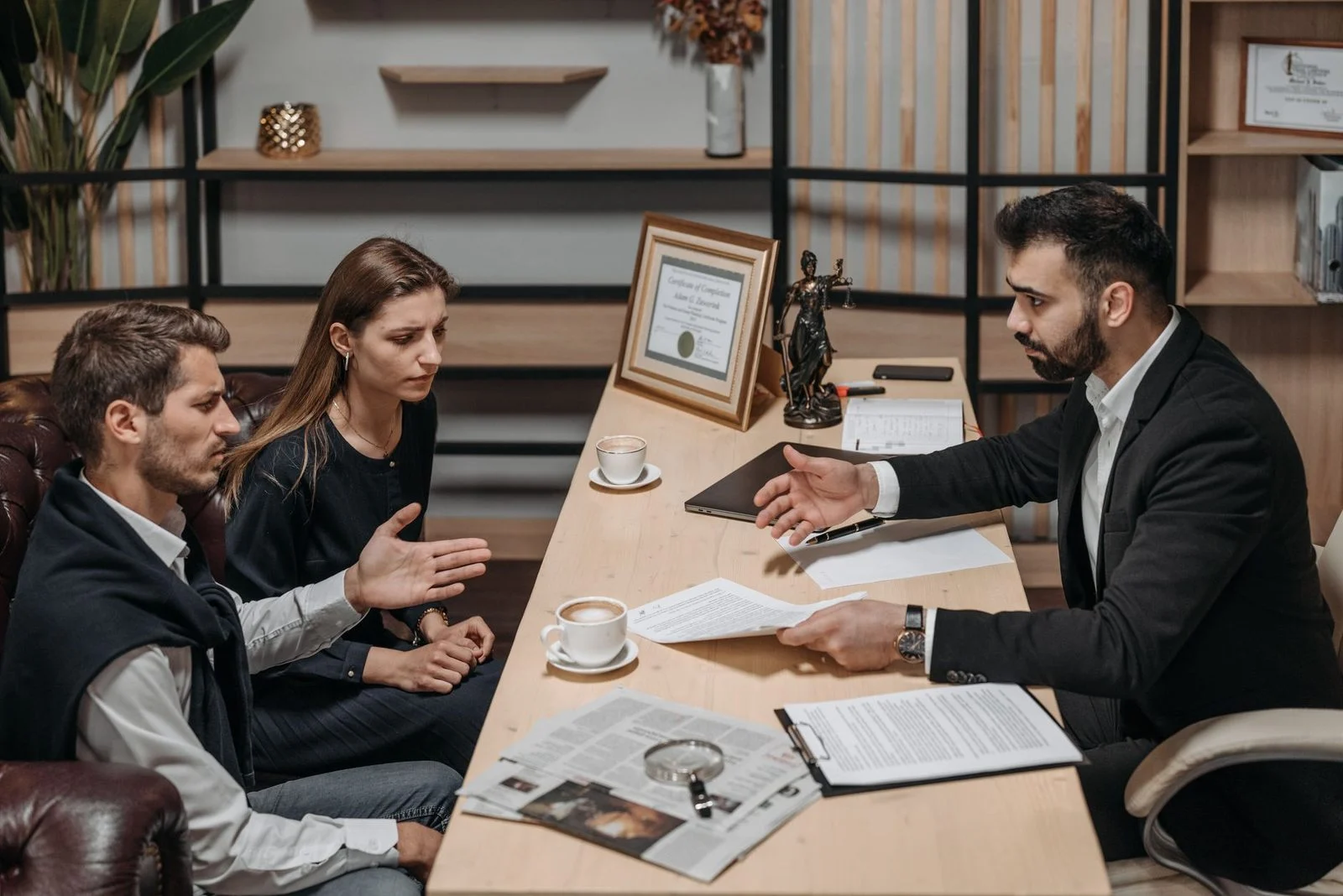
Start by gathering the full signed trust, every amendment, and any notice you received. Keep these items together before you talk to anyone about the next step.
- The complete signed trust and every amendment.
- The dates and signatures on each page, plus the names of the settlor, trustee and beneficiaries.
- A list of the assets and how each one is titled.
- Any notice from a trustee, with its date.
- Any will or other document the family says relates to the same property.
This page is the responsibility of Leslie V. Marenco, a lawyer with Trust Counsel, PL in Coral Gables, Florida. The firm serves clients in Florida.
Frequently asked questions
What makes a trust legal in Florida?
How long do you have to contest a trust?
The six-month notice rule in § 736.0604 applies only to a trust that was revocable at the settlor’s death, and the deadline is the earlier of the time set by chapter 95 or six months after the trustee sends the required notice, so the exact deadline depends on the facts.
If you hold a trust document you don’t understand, or you were named in one after a parent’s death, you don’t have to sort it out alone. Trust Counsel offers a free initial consultation, which is confidential and carries no obligation to continue. Call (305) 707-7126 or schedule online.
The Building Blocks Covered in This Guide
The Trust Document
Why the written terms of the trust matter and what the document needs to show about the creator's intentions.
The Creator's Intent
How intent is read from the trust language and the surrounding facts.
The Beneficiaries
How beneficiaries are identified and why clear identification can make a difference later.
The Trust Property
How assets are placed into the trust, and what can go wrong when funding is incomplete.
The Trustee
The role of the trustee, the duties that come with it, and how a trustee is chosen.
Lawful Purpose
Why a trust must have a purpose the law allows, and how that affects whether a trust holds up.
Review Your Trust Before You Rely on It
A trust that is poorly drafted or never properly funded may not do what its creator intended. Trust Counsel, PL begins with a free first consultation that is confidential and carries no obligation to continue.
How Trust Counsel, PL Can Help
Estate Planning
Trust Counsel, PL focuses on estate planning attorney work, including trusts drafted to match each family's goals.
Trust Administration
The firm advises and represents trustees, personal representatives and beneficiaries through trust administration.
Trust Litigation
Trust Counsel, PL handles trust litigation attorney matters, including disputes over how a trust is written or run.
Probate Litigation
The firm concentrates in probate litigation attorney matters for heirs, beneficiaries and fiduciaries. Trust Counsel's attorneys can serve individually as trustee or personal representative.