
Florida Trust Guide | Coral Gables, Florida
Share the Full Picture With Your Trust Attorney
Accurate facts, including the ones that don't seem to help your side, give your attorney the information needed to advise you. How that applies depends on the governing instrument, Florida law, and the facts of your case.
By Leslie V. Marenco · Published October 12, 2026
Tell your attorney the full, accurate facts, including the ones that don’t help your side. Leaving out key details or guessing at them can make it harder for a lawyer to advise you. How much it matters depends on the trust instrument, Florida law, and the facts of your case. This page covers common mistakes people make at a first meeting. It is general information, not legal advice for your situation.
Why People Ask What Not to Tell an Attorney
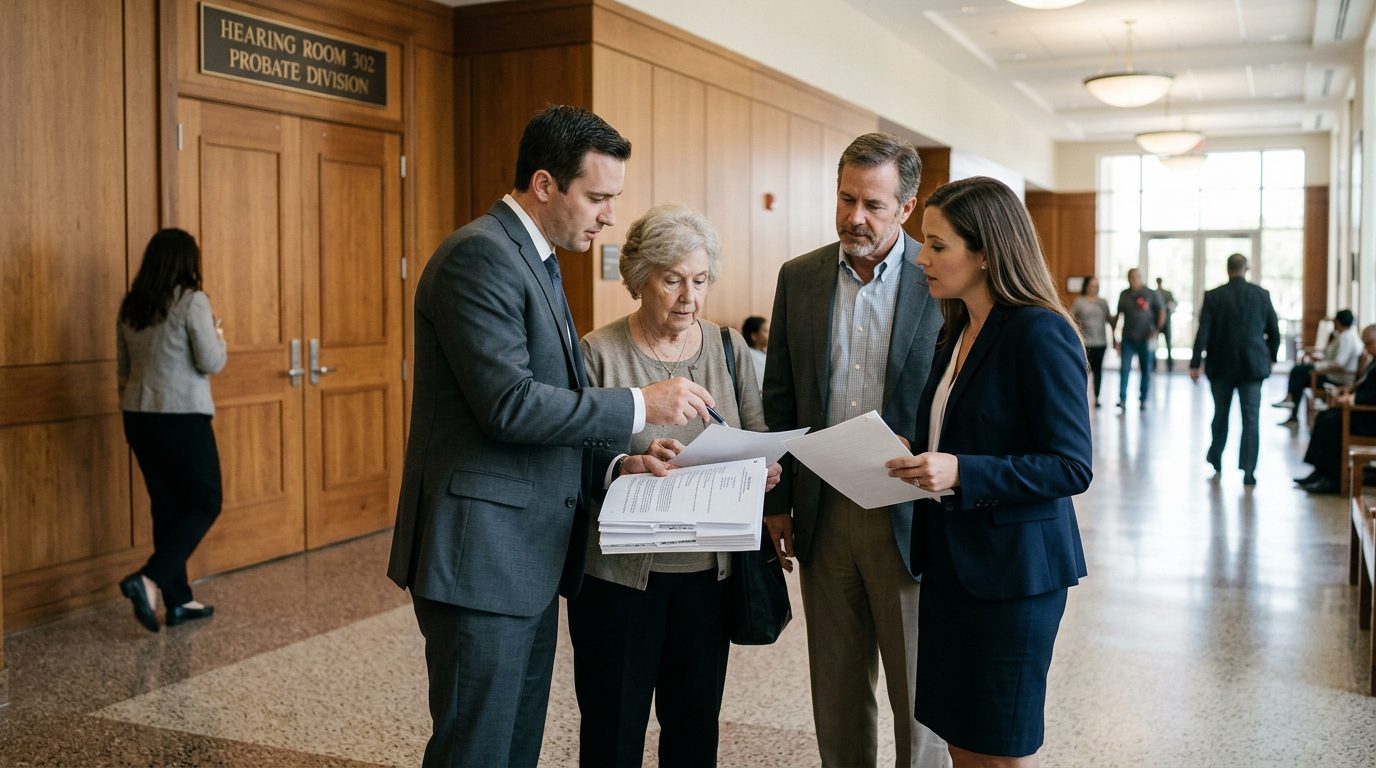
People who ask this question may be worried about a first meeting. They may be dealing with a parent’s trust, a relative’s estate, or a fight among siblings. They may want to avoid saying the wrong thing.
The better question is usually what helps a lawyer understand the matter. The goal is accurate, complete information. It is not polished storytelling or strategic silence. A lawyer can only advise on what he or she knows, and that advice depends on the governing trust instrument, applicable Florida law, and the facts of each case.
Many trust and estate questions turn on details that look small. A date, a missing signature, or one page of an amendment can change the analysis. That is why a first meeting may focus on documents and timeline, not on how smoothly you tell the story, depending on the trust instrument, applicable law, and the facts of each case.
The firm advises and represents trustees, personal representatives and beneficiaries. Trust Counsel’s attorneys can serve individually as trustee or personal representative, depending on the matter.
Assumptions and Guesses That Can Complicate Your Matter
Assuming a case will be simple or fast can lead to poor planning. Timing and outcomes depend on the trust instrument, applicable law, and the facts. Saying “this will be easy” does not make it so.
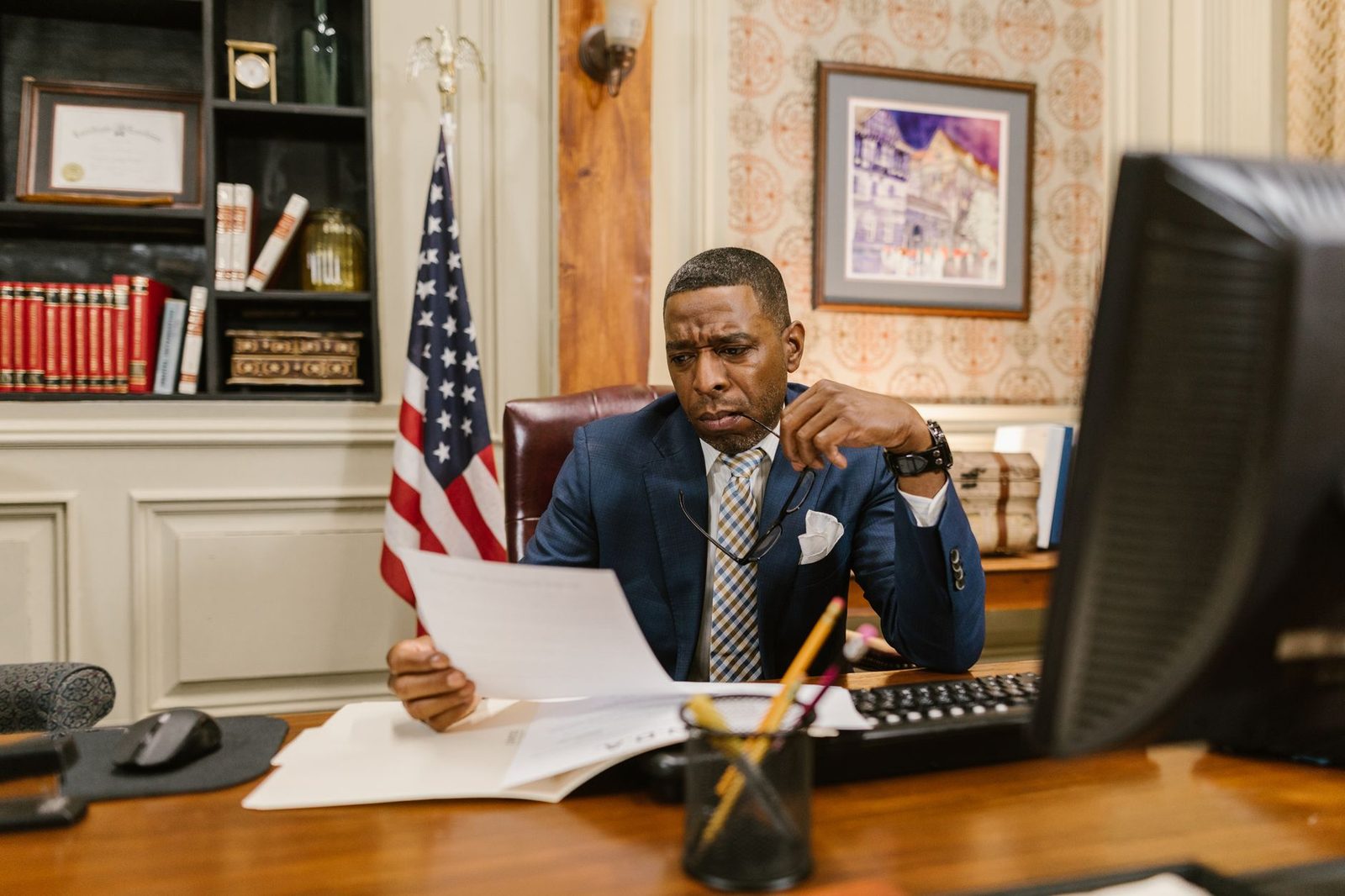
“I have already done the work for you” is another common line. You may have read the trust, built a timeline, or looked up the law. That effort helps. But a lawyer still needs to check documents and facts independently. Your summary is a starting point, not a final record.
Separate what you know from what you believe. “My mother told me she changed her trust” describes what she said. “She changed her trust” is a conclusion. Say which one it is, and label uncertain points as uncertain. Your lawyer can then plan around the gaps.
Many people also ask what to avoid saying in court. General courtroom practice depends on the proceeding. Under Fla. Stat. § 731.1035, the rules of evidence in civil actions apply in proceedings under the Probate Code unless the code changes them. Your lawyer can explain how that applies to your facts.
Facts and Documents You Should Not Leave Out
Withholding documents can limit what counsel can review. Bring what you have, even if it seems old, incomplete, or unhelpful. Common examples include the trust, prior wills, codicils, amendments, account statements, and letters.
A later will can matter. Under Fla. Stat. § 733.208, on discovery of a later will or codicil, an interested person may petition to revoke probate of the earlier will or to probate the later one. The statute also provides that a later will or codicil may not be offered after the estate has been completely administered and the personal representative discharged. How this applies depends on the facts of each estate.
Trusts can be changed too. Under Fla. Stat. § 736.0602, a settlor may revoke or amend a revocable trust by substantially complying with a method in the trust’s terms. If the terms give no method, the statute allows revocation or amendment by a later will or codicil that expressly refers to the trust, or by another method showing clear and convincing evidence of the settlor’s intent. Which method applies depends on your documents.
Not every trust is on paper. Under Fla. Stat. § 736.0407, an oral trust and its terms may be established only by clear and convincing evidence, unless another law or section requires otherwise. Tell your lawyer what you remember and who else may know.
If you don’t have all your documents, say so. Explain what is missing and where it might be, such as a safe deposit box, a bank, or a former lawyer’s office.
Mention other lawyers you have already spoken with. That history can help counsel understand deadlines, positions already taken, and possible conflicts of interest. Its effect depends on the facts.
Deadlines can also matter. Under Fla. Stat. § 736.1008, a beneficiary may be barred from bringing an action for breach of trust over a matter adequately disclosed in a trust disclosure document unless a proceeding is commenced within 6 months after receiving that document or a limitation notice, whichever is received later, unless the claim is barred sooner. How this applies depends on applicable law and the facts of each case.
Who Should You Not Share Confidential Details With?
Consider sharing confidential details with your own lawyer rather than with family, friends, or online audiences, because whether a communication stays confidential can depend on who receives it and the facts of your case. Under Rule 4-1.6 of the Rules Regulating The Florida Bar, a lawyer generally must keep client information confidential, unless the client consents or a limited exception applies.
Attorney-client privilege generally protects confidential communications with counsel; see Fla. Stat. § 90.502. Its scope depends on the facts and applicable Florida law. Florida’s Evidence Code separately addresses a fiduciary lawyer-client privilege that may apply to certain communications between a trustee or personal representative and that fiduciary’s lawyer, depending on applicable Florida law and the facts of each case; see Fla. Stat. § 90.5021.
Discussing strategy with relatives or beneficiaries, or posting about the matter online, may affect whether a communication stays confidential. Whether it does depends on who was present, what was shared, and the facts of your case.
The question of who you should never lie to has a practical answer. Candor with your own lawyer is generally the most reliable path. A lie can backfire later, and how it plays out depends on the facts.
Communication is also worth managing. Ask questions at every stage. Confirm key updates in writing. Doing so can help you and your lawyer stay aligned, depending on the matter.
How Fees Are Discussed and Why Honesty About Money Matters
Legal fees are agreed between client and attorney according to the scope of work. Under Rule 4-1.5(e) of the Rules Regulating The Florida Bar, the basis or rate of the fee should be communicated to the client, preferably in writing.
If you don’t have money set aside for a retainer, say so at the first meeting. Budget limits are a normal topic. Your lawyer can discuss the scope of work and how fees may be structured for your matter. The fee terms depend on the agreement and the facts.
Court-awarded fees work differently. Under Fla. Stat. § 736.1005, an attorney who has rendered services to a trust may apply to the court for reasonable compensation from the trust. The court then decides after notice to the trustee and the entitled beneficiaries. That process is separate from fees agreed with your own lawyer.
Ask which costs may apply in addition to attorney fees, such as filing or court fees. Costs depend on the matter and the proceeding. Get the answer in writing so there are no surprises later.
Attitude, Trust, and Working Together With Counsel
Expecting one lawyer to handle everything alone can lead to frustration, depending on the matter. A lawyer advises or represents the client, subject to the governing instrument and applicable law. Many decisions stay with the client.
Getting frustrated with your lawyer is understandable when a matter is stressful. Say so calmly, and ask what is driving the delay or the advice. A candid conversation may help more than silence, depending on the matter and the facts of each case.
Clarify expectations early. Ask what the next step is, what information is still missing, and what decisions you need to make. How working together turns out depends on the governing instrument, applicable law, and the facts of each case.
Trust in counsel is built through candor and clear communication. When you share the bad facts along with the good, your lawyer can advise more fully. That does not assure any outcome, but it gives the advice a firmer base.

Preparing for a First Conversation With a Trust Lawyer
Gather the trust or will, any amendments, account statements, and key letters. Add a short written timeline with dates of signings, deaths, transfers, and any demands you received.
Write down your questions. Next to each fact, mark whether you are certain or uncertain. That habit helps your lawyer separate what is confirmed from what needs checking.
The first conversation helps your lawyer understand the situation. Whether the attorney can advise or represent you depends on the matter and applicable Florida law. The meeting is a chance to find out what is possible.
If you’re facing a disputed trust, an unclear instruction, or a decision about a relative’s estate in Florida, you don’t have to sort the facts out alone. Bring your documents and timeline to Trust Counsel, PL’s Coral Gables office at (305) 707-7126, or schedule online.
What to bring to a first meeting
Trust and estate documents
Trust instruments, wills, amendments, powers of attorney, and any letters or court papers you have. Which documents matter most depends on your situation.
People involved
Family members, prior trustees or personal representatives, and anyone who has raised concerns. Describe their roles as you understand them.
Assets and key dates
A general list of property, accounts, and business interests, along with approximate dates. Say when you are not sure.
Prior communications
Emails, letters, or messages about the trust, the estate, or a dispute. Your attorney can review them with you.
Don't guess or leave facts out
Guessing at dates, values, or who signed a document can make it harder for a lawyer to advise you. Bring what you have and say plainly what you don't know.
Common first-meeting questions
Is what I share confidential?
Communications with your attorney are generally protected by attorney-client privilege, subject to applicable law and the facts of each case.
What if I already made a mistake?
Tell your attorney. An earlier step can affect your options, and how it does depends on the governing instrument and applicable Florida law.
Do I need every document?
Bring what you have. Your attorney can explain which items matter for your situation and which can wait.
How are fees set?
Fees are agreed between client and attorney according to the scope of work. Your attorney will explain the arrangement before you decide.