
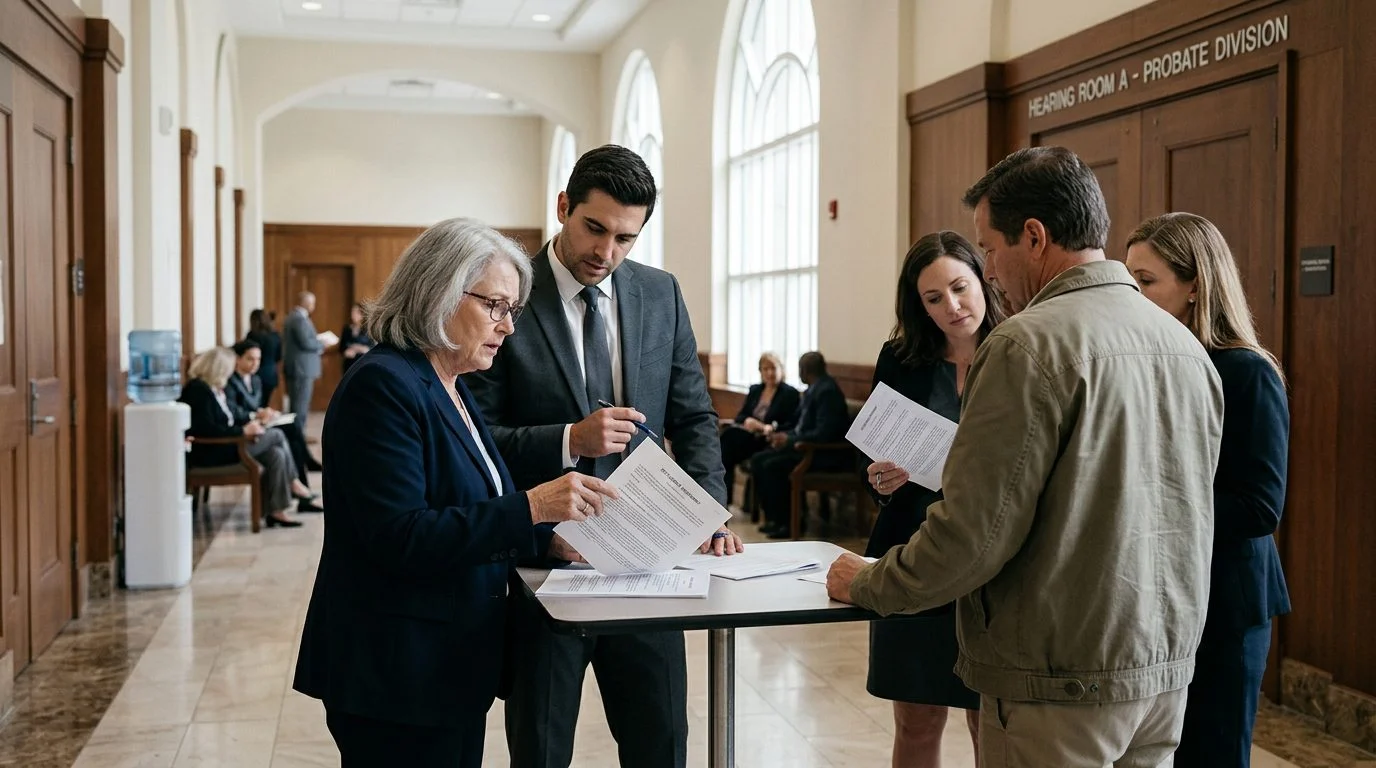
Trust and Estate Disputes | Coral Gables, Florida
Drafting Errors and Beneficiary Disputes in Florida Trusts
Unclear wording, signing mistakes and vague distribution terms can leave heirs disagreeing about what a trust means. Trust Counsel, PL focuses on trust and estate litigation for beneficiaries, heirs and fiduciaries across Florida.
Common sources of trust disputes
Ambiguous distribution language
Vague terms about who receives what, when, and in what share can lead beneficiaries to read the same document in different ways.
Execution and signing problems
Missing signatures, incomplete amendments or unclear revisions can raise questions about which version of a trust governs.
Outdated documents
A trust that no longer reflects marriages, births, business changes or property purchases can create conflicts between family members.
Gaps in information
When beneficiaries lack accountings or copies of the trust, mistrust grows and disagreements become harder to resolve.
By Leslie V. Marenco · Published October 28, 2026
Trust disputes among heirs usually come from a few recurring problems. The most common are unclear beneficiary wording, documents that conflict, trusts that hold few or no assets, and missing directions about who runs the trust next. These gaps often stay hidden until the settlor dies or becomes incapacitated. Then nobody can ask the person who signed the papers what they meant.
Trust Counsel, PL is a trusts and estates law firm with its only office in Coral Gables. This page explains each pattern in plain terms so you can see which one may fit your papers.
What drafting errors or unclear trust provisions most often lead to beneficiary disputes or litigation among heirs in Florida?
The most common triggers are unclear beneficiary language, trust terms that clash with other documents, assets never moved into the trust, and gaps in fiduciary direction. Each one can leave heirs reading the same papers in different ways. Disputes often start when a family member reads a provision differently from the trustee. The sections below cover each pattern so you can find the one that fits.
Not sure what your next step is?
Talk it through with Trust Counsel, PL — the first consultation is free, confidential, and carries no obligation.

How unclear wording about who takes creates conflict among heirs
Unclear wording about who takes is a common source of conflict. Terms like “children,” “descendants” or “heirs” can mean different things once stepchildren, adopted children or children born outside a marriage are involved. For inheritance without a will, Florida law treats an adopted person as a descendant of the adopting parent (§ 732.108). Class gifts to descendants are per stirpes, meaning each family branch takes its own share (§ 736.1103). When a trust mixes per stirpes and per capita wording, heirs may split shares differently than the settlor expected.
Lapse adds another risk. If a beneficiary dies before the distribution date and leaves descendants, those descendants may take that share unless the trust shows a different intent (§ 736.1106). Fla. Stat. § 736.1106 reads: “Unless a contrary intent appears in the trust instrument, if a beneficiary of a future interest under the terms of a trust fails to survive the distribution date, and the deceased beneficiary leaves surviving descendants, a substitute gift is created in the beneficiary’s surviving descendants.” A general residuary clause in a will is not enough to show that intent. Disputes often start when one heir reads these gaps differently from the trustee.
Why trusts that are never funded or are only partly funded produce disputes
Anything left outside the trust may follow a different path, and that can trigger probate and disagreement. A trust that was signed but never funded can leave a family relying on a pour-over will. That will moves leftover property into the trust, but the property may first need to pass through probate. Heirs then see two sets of papers pointing in different directions.
Beneficiary designations cause some of the most direct conflicts. Life insurance, retirement accounts and payable-on-death bank accounts pass by their own forms. An old form that names a former partner or someone outside the plan can send money to that person, even if the trust says otherwise about similar assets.
Real estate is another trouble spot. A house deeded in one person’s name, or left out of the trust, invites argument over whether the settlor meant it to be included. Trust-based estate planning and probate avoidance are closely tied, and funding is the link between them.
How vague distribution standards, missing successors and trustee powers feed disagreements
Vague standards, a missing successor trustee and unclear trustee powers often lead heirs to court. Each gap leaves someone guessing what the settlor intended. A trust may let a trustee make distributions for health, education, maintenance or support. Those words leave room to disagree about what a beneficiary may request. Even when a trustee has discretion, a beneficiary may bring a court proceeding for an abuse of discretion or a failure to follow a stated standard (§ 736.0504).
If the named trustee cannot or will not serve, Florida fills the vacancy in order. A person named in the trust comes first. Next is a person chosen by unanimous agreement of the qualified beneficiaries. Family members who cannot agree on a successor may end up before a judge.
Silence on powers can also cause trouble. Heirs may disagree about whether a trustee could sell a house or keep a family business. Florida law requires a trustee to keep qualified beneficiaries reasonably informed about the trust and its administration (§ 736.0813).
How amendments, divorce and conflicting documents create competing versions of a trust
Competing versions usually come from amendments that don’t clearly tie to the original trust, or from a divorce. Florida law addresses both, but the result may differ from what the family expects. A settlor may amend a revocable trust by substantially following the method the trust sets out (§ 736.0602). If the trust sets no method, a later will or codicil that expressly refers to the trust can work. Other methods count only if they show the settlor’s intent by clear and convincing evidence.
Divorce can also change the plan. A revocable trust provision that affects the settlor’s spouse is void after the marriage is dissolved, unless the trust states a specific contrary intent, the divorce judgment expressly provides otherwise, or the settlor executed the provision after the dissolution; this applies to revocable trusts of decedents who die on or after June 29, 2021 (§ 736.1105). A beneficiary designation naming a former spouse can also be void under § 732.703, with exceptions.
When a trust, a will and a separate memo conflict, a court may be asked to decide which controls. A court may also reform a trust, even if its wording is clear, to match the settlor’s intent. That requires clear and convincing evidence of a mistake of fact or law (§ 736.0415). The usual cause is a gap between documents that were each valid on their own.
What beneficiaries can do when a trust provision appears unclear or conflicting
A beneficiary who sees an unclear trust term can start by asking the trustee for the trust and information about its administration. Gathering papers first makes that request clearer. On reasonable request, the trustee must give a complete copy of the trust instrument and relevant information about assets, liabilities and administration (§ 736.0813). Time limits matter. For a trust that was revocable at the settlor’s death, a contest is barred if not brought within the earlier of the chapter 95 period or six months after the trustee sends the required copy and notice (§ 736.0604).
Florida’s circuit courts have general jurisdiction over probate and other civil matters, which is where trust disputes are heard (Florida court structure). Before any conversation with a lawyer, gather the trust and any amendments, the will, beneficiary designation forms and recent account statements. Trust Counsel, PL focuses on trust litigation and trust administration. The firm advises and represents trustees, personal representatives and beneficiaries. Trust Counsel’s attorneys can serve individually as trustee or personal representative.
Not sure what your next step is?
Talk it through with Trust Counsel, PL — the first consultation is free, confidential, and carries no obligation.
Frequently asked questions
Does unclear trust wording always end up in court?
Not always. Heirs sometimes resolve unclear wording by sharing information, but a court may need to decide when they disagree.
Can a beneficiary ask for a copy of the trust?
Yes. On reasonable request, the trustee must provide a complete copy of the trust instrument (§ 736.0813).
If you’re reading a trust and noticing wording that doesn’t match what your family expected, Trust Counsel’s attorneys can talk it through in a free, confidential first consultation with no obligation to continue. Contact Trust Counsel to start that conversation.
Early review matters
Records can be lost and positions can harden over time. Reviewing the trust document and any amendments early gives you a clearer picture of the issues before they escalate.
How Trust Counsel, PL can help
Trust litigation
Representation for beneficiaries, heirs and trustees in disputes over trust terms, distributions and administration.
Probate litigation
Representation in contested estate matters, including disputes over wills, asset distribution and the conduct of a personal representative.
Trust administration
Guidance for trustees and beneficiaries on administering a trust under Florida law. Trust Counsel's attorneys can serve individually as trustee or personal representative.
Professional fiduciary services
The firm advises and represents trustees, personal representatives and beneficiaries, with attorneys who can serve individually in fiduciary roles.
Have questions about a trust document or a dispute among heirs?
Start with a free first consultation, which is confidential and without obligation.