

Coral Gables, Florida | Estate Planning
Estate Planning in Florida: 10 Common Mistakes to Avoid
A plain-language guide from Trust Counsel, PL, a Coral Gables firm that focuses on estate planning, trust and probate matters for Florida families.
By Leslie V. Marenco · Published October 19, 2026
What are the top 10 mistakes people make when estate planning? The most common ones are missing documents, a will that works alone, outdated beneficiary forms, joint ownership that overrides the plan, no incapacity documents, unfunded trusts, the wrong fiduciary choices, skipped tax and business reviews, do-it-yourself forms, and plans never updated. Most of these stay quiet for years.
This guide walks through each mistake for Florida families. It’s written for people drafting their own plan, adult children helping a parent, and heirs who have found a gap. For a broader overview, read the estate tax planning overview.
Why Estate Planning Mistakes Matter in Florida
Most estate planning mistakes stay hidden until someone dies or can no longer manage their own affairs. By then, the family has to act, and the documents either work or they don’t.
An estate moves along two paths. Property in the person’s own name usually passes under a will through probate. Property that passes outside probate moves through trusts, beneficiary designations, or joint ownership. Many mistakes happen where those two paths overlap, because a gap in one path can send an asset down the other.
Florida has default rules for property that a will doesn’t cover. Under Fla. Stat. § 732.101, property not effectively disposed of by will passes to the decedent’s heirs as the Florida Probate Code prescribes. The state’s rules may decide who inherits, not the person’s wishes.
Each mistake below explains what it looks like, why it matters in Florida, and one review step you can take now.
Not sure what your next step is?
Talk it through with Trust Counsel, PL — the first consultation is free, confidential, and carries no obligation.
Mistake 1: Failing to Create an Estate Plan at All
Having no plan is the most basic mistake, and it leaves the answers to state law. Without a valid will, Florida’s default rules decide who inherits. Those answers may not match what the person would have wanted.
People with minor children, a blended family, a business, or Florida real estate have especially strong reasons to put documents in place. Each of those situations raises questions that default rules answer poorly.
A basic plan usually includes a will or trust, a durable power of attorney, and health care documents. For a short list of what to gather, see what 5 documents you need.
Review step: Write down every asset you own, who should receive it, and who should manage it if you can’t. That list shows which documents you need.
Mistake 2: Relying on a Will Alone and Ignoring Trusts
A will alone often isn’t enough for families who want to avoid a court process. Under Fla. Stat. § 733.103, a will is ineffective to prove title to the testator’s property until it is admitted to probate. Probate takes time, and it runs through the court.
A revocable trust is one tool families use to manage property during incapacity and move assets without a separate probate proceeding. Florida law allows a trust to be created during life or at death, under Fla. Stat. § 736.0401.
Whether a trust fits depends on the facts of each family’s assets and goals. A trust only helps if assets are actually titled in its name, which leads to the funding problem in Mistake 6.
Review step: List which assets would need a court to transfer them after death.
Mistake 3: Choosing the Wrong Beneficiaries or Leaving Designations Out of Date
Beneficiary forms often decide who receives retirement accounts, life insurance, and payable-on-death or transfer-on-death accounts. These forms can override what the will says. Many people forget they exist.
Common errors include an ex-spouse still named on a form signed years ago. Another is a beneficiary who has died with no backup named. A third is a minor named directly, with no plan for who manages the money until the child is an adult.
These forms sit with the bank, the insurer, or the plan administrator, not in the estate plan binder. That’s why they get missed.
Review step: Pull each account’s beneficiary form. Compare every name with the will and trust, and check again after each major life change.
Mistake 4: Overlooking Jointly Owned Property
Joint ownership with right of survivorship often passes property straight to the surviving owner. That can override what the will or trust says, even when the plan is otherwise clear.
Parents often add a child to a bank account or home for convenience. That step can bring the child’s money problems or marriage into the picture, and it can complicate later planning.
Florida homes raise an extra layer. Under Fla. Const. art. X, § 4, a homestead cannot be devised if the owner is survived by a spouse or minor child, except that it may go to the spouse if there is no minor child.
Review step: List every jointly titled asset and the person who would become its sole owner at death.
Mistake 5: Failing to Plan for Incapacity
A will does nothing while the person is alive. It takes effect only at death, so it gives no authority if the person cannot manage money, property, or medical decisions.
Without the right documents, families may need a guardianship court process. Under Fla. Stat. § 744.3115, a guardianship court must determine whether the person signed a valid advance directive before becoming incapacitated.
A durable power of attorney lets a chosen agent act. Under Fla. Stat. § 709.2105, it must be signed by the principal and two subscribing witnesses and acknowledged before a notary.
An outdated, unsigned, or narrow power of attorney can leave bills, banking, and property unmanaged. For common errors, see common POA mistakes.
Review step: Check the durable language, both witness signatures, and the notary block on any existing power of attorney.
Not sure what your next step is?
Talk it through with Trust Counsel, PL — the first consultation is free, confidential, and carries no obligation.
Mistake 6: Failing to Fund the Trust and Leaving Assets Out
A trust controls only the assets that have been moved into it. Signing the trust document alone does not transfer anything. Florida law recognizes trusts created by transferring property to a trustee, under Fla. Stat. § 736.0401.
Common gaps include a bank account still in the person’s name, a brokerage account never retitled, a vehicle left out, or a business interest never assigned. Assets left outside the trust may still need a probate proceeding. That can undo part of the benefit the trust was meant to provide.
Review step: After signing, and each time you acquire a major asset, confirm the title or designation names the trust.
Mistake 7: Naming the Wrong Personal Representative or Trustee
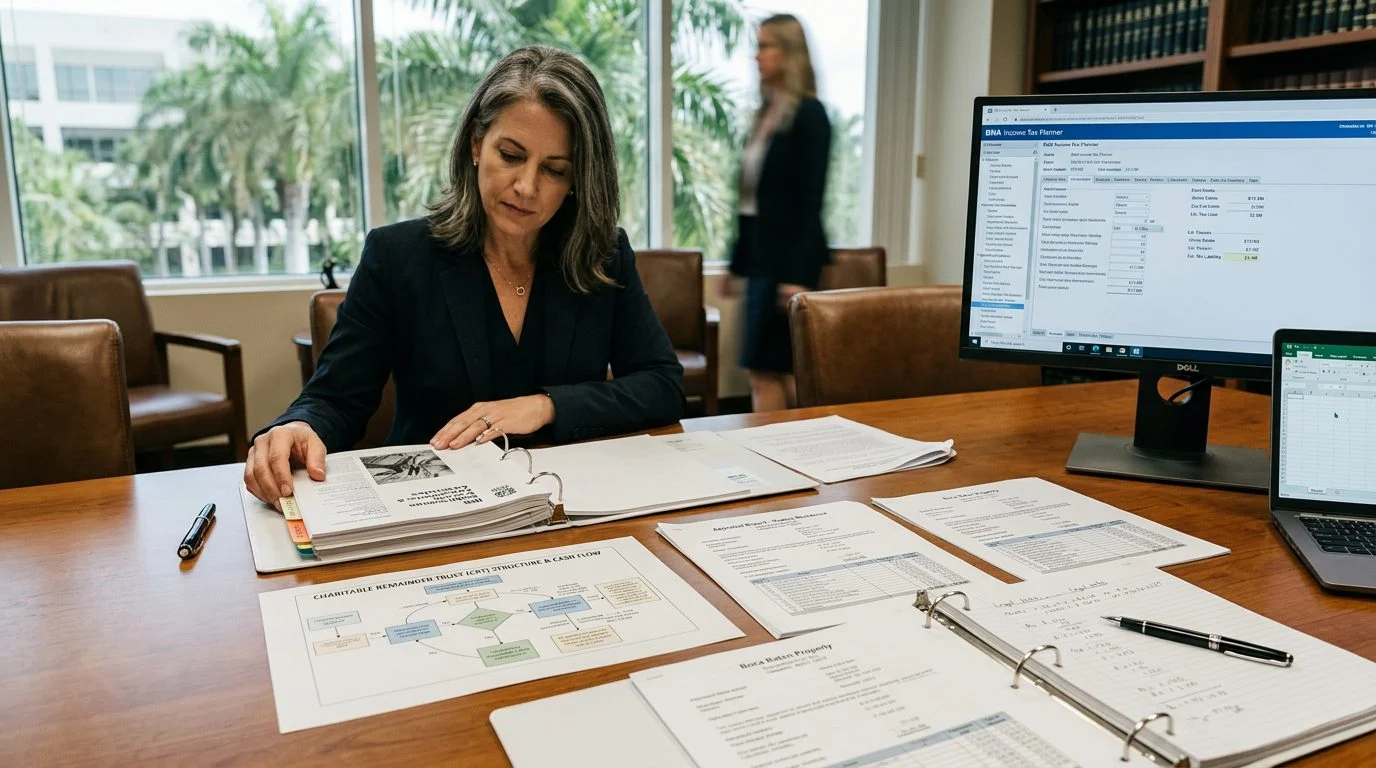
The wrong choice for a fiduciary role can cause delay and conflict. The personal representative (often called an executor) manages a probate estate. A trustee manages trust assets. Both roles carry real legal and administrative duties.
If a will names a personal representative, that nominee comes first under Fla. Stat. § 733.301 when a testate estate needs letters of administration.
Families often weigh willingness to serve, comfort with paperwork and deadlines, distance from Florida, and whether heirs are likely to disagree. A nominee who cannot serve creates a gap. Name a backup personal representative or successor trustee.
Trust Counsel’s attorneys can serve individually as trustee or personal representative. The firm advises and represents trustees, personal representatives and beneficiaries. For the limits on what a personal representative may do, see what an executor cannot do.
Mistake 8: Ignoring Estate Tax Exposure and Business Succession
Estate tax review asks whether the estate’s value could create tax exposure. The answer depends on the facts and current law. As the IRS explains in its annual inflation-adjustment guidance, federal legislation amends § 2010(c)(3) by increasing the basic exclusion amount to $15,000,000 for calendar year 2026.
Business owners face a separate gap. Many have no written succession plan, no buy-sell agreement, and no plan for who runs the company after an owner’s death or incapacity. A buy-sell agreement is one tool for setting how an owner’s interest is valued and transferred.
Review step: Ask who would have authority over the business today if the owner could not act.
Mistake 9: Doing It Yourself with Forms or Internet Templates
Florida has specific formalities for a will. Under Florida law, a will must be in writing, signed at the end by the testator, and witnessed by at least two attesting witnesses. Under section 732.502 of the Florida Statutes, the testator must sign the will, or acknowledge having previously signed it, in the presence of at least two attesting witnesses, and those witnesses must sign the will in the presence of the testator and in the presence of each other.
The same statute says no particular form of words is needed if the formalities are met. Skipping one of these steps can leave the will’s validity in doubt.
A template written for another state may not work the same way in Florida. It may also conflict with other documents, or use unclear language about who receives what. A home-drafted plan can cost little at first, but it may cost more to fix after a death or incapacity.
Review step: Compare the signing and witnessing steps on your document against the statute before relying on it.
Mistake 10: Failing to Update the Plan After Life Changes
An old plan can name people who should no longer hold a role. Marriage, divorce, a new child or grandchild, a beneficiary’s death, a move, a new business, or a large change in assets can all make a plan out of date.
Divorce carries specific Florida rules.
Review the will or trust alongside beneficiary forms and joint titling after every major change. Bring these questions to a first meeting: How are my assets titled? Who are my backups? How would incapacity be handled?
Not sure what your next step is?
Talk it through with Trust Counsel, PL — the first consultation is free, confidential, and carries no obligation.
Common Questions
What are the top 10 mistakes people make when estate planning?
The most common mistakes are missing documents, outdated beneficiary forms, joint ownership that overrides the plan, and no incapacity documents. Others include unfunded trusts, weak fiduciary choices, and plans never updated.
Does a beneficiary designation override my will?
Beneficiary forms often decide who receives those assets. They can take priority over what a will says, so check each form.
Can I avoid probate in Florida?
A will alone does not avoid probate. Some families use a revocable trust, but it works only when assets are actually titled in its name.
Talk With Trust Counsel About Your Situation
You may be reading this for a parent whose power of attorney was signed years ago. You may have just learned that a family member’s plan has a gap. These situations are not ones people choose, and they come with paperwork and timing pressure.
If that’s where you are, talk with Trust Counsel, PL. Our only office is in Coral Gables. Call (305) 707-7126 or use the online scheduling option to book a free first consultation, which is confidential and carries no obligation to continue.
Quick checklist: the mistakes to watch for
Missing core documents
A will alone may not cover incapacity, asset management or how property passes outside the will. Review the full set of documents with an attorney.
Outdated beneficiary forms
Retirement accounts, life insurance and bank accounts often pass by beneficiary designation. Check these forms whenever your family or finances change.
Unfunded trusts
Confirm which assets are titled in the trust's name.
Weak fiduciary choices
Naming a personal representative or trustee who is unable or unwilling to serve can slow administration. Discuss backup choices and their responsibilities.
Key warning: joint ownership and designations
Review how each account is titled as part of your plan.
Why families review their plan with counsel
Florida-focused planning
The firm focuses on estate planning, trust administration, probate and related matters under Florida law.
Plain-language answers
We explain options in clear terms so you can decide with confidence about your family's future.