
Florida Trusts & Estates · Coral Gables
Planning Ahead or Resolving a Dispute: Know Which Path You Are On
Estate planning and probate litigation solve different problems at different times. Here is how to tell them apart and where a free discovery call fits in.
By Leslie V. Marenco · Published November 24, 2026
If a parent has died, or a family trust has become tense, you may be asking which kind of lawyer you need. Estate planning vs probate litigation is a real choice, because the two do different work at different times. Estate planning sets up documents and structures before a problem arises. Probate and trust litigation deal with disputes that have already started.
What’s the difference between wills and estate planning?
A will is one document that says how your property passes at death. Estate planning is the wider work of arranging documents, ownership and decisions for life, incapacity and death.
Many families assume one will covers everything, but a will only takes effect at death. Estate planning can include a will, a trust, a durable power of attorney and beneficiary designations. The right mix turns on your assets and your goals.
A will alone doesn’t cover incapacity, which is a time when you can’t manage your own money or decisions. A power of attorney can fill that gap. Florida law says a power of attorney is durable, meaning it survives incapacity, when it contains specific words or similar words showing that intent (durable power of attorney law). Fla. Stat. § 709.2104 reads: “Except as otherwise provided under this part, a power of attorney is durable if it contains the words: “This durable power of attorney is not terminated by subsequent incapacity of the principal except as provided in chapter 709, Florida Statutes,” or similar words that show the principal’s intent that the authority conferred is exercisable notwithstanding the principal’s subsequent incapacity.”
Florida also sets strict signing rules. Under § 732.502, a will must be in writing and signed at the end by the testator (or by another person in the testator’s presence and at the testator’s direction). The testator must sign, or acknowledge that he or she already signed the will or that another person signed the testator’s name to it, in the presence of at least two attesting witnesses, who must sign in the presence of the testator and of each other. After a death, the personal representative (often called an executor) is the person who settles the estate.
If a will, a trust or a family dispute is weighing on you right now, we're glad to talk it through on a free discovery call. Talk it through with Trust Counsel, PL — the first discovery call is free, confidential, and carries no obligation.

How do estate planning attorneys differ from trust and estate litigation firms that handle probate and trust disputes in Miami-Dade County?
Estate planning attorneys focus on documents and structures made before a problem arises. Trust and estate litigation attorneys focus on disputes that have already come up over a will, a trust, or the way an estate is handled.
Planning work covers drafting wills and trusts, powers of attorney, business succession arrangements, asset protection structures and estate tax planning for families and business owners. Dispute work covers contested probate matters, trust litigation, objections, claims by heirs and beneficiaries, and questions about a fiduciary’s conduct. Those cases run through the courts that oversee Florida estates and trusts.
Location matters too. Under § 733.101 venue rule, probate of a will happens in the Florida county where the decedent was domiciled; if the decedent had no Florida domicile, it can happen in any county where the decedent’s property is located. For a decedent domiciled in Miami-Dade, the case is filed in Miami-Dade County.
Trust Counsel, PL’s only office is in Coral Gables, Florida. We serve clients in Miami-Dade County and across Florida. The firm’s lawyers focus on both planning and probate and trust litigation, since one family can need both at different times. The firm advises and represents trustees, personal representatives and beneficiaries.
How does a probate litigation attorney differ from an estate planning attorney in a contested estate?
A probate litigation attorney gets involved when a will or an estate is disputed in court. An estate planning attorney usually works before any dispute begins.
Common contests include challenges to a will, disagreements over a personal representative’s actions, and questions about what a trust requires. A signed will can still be challenged. Under § 733.107 burden of proof, the person defending the will first shows it was formally executed and attested. The challenger then must prove the grounds. A will is void if fraud, duress, mistake or undue influence procured its execution (§ 732.5165); if only part of the will was procured that way, only that part is void and the remainder stays valid if it is not invalid for other reasons.
Timing is the other big difference. Under § 733.212 notice of administration, an interested person served with a notice must object to the will’s validity, the venue, or the court’s jurisdiction within 3 months, or those objections are forever barred. For a revocable trust, § 736.0604 bars a contest not begun within the earlier of chapter 95’s period or six months after the trustee sends the required notice.
A planning document doesn’t end a dispute by itself, because a court can still review how it was signed and made. Which path fits depends on the facts of your documents and family relationships.
What should I do if I need help administering a Florida estate?
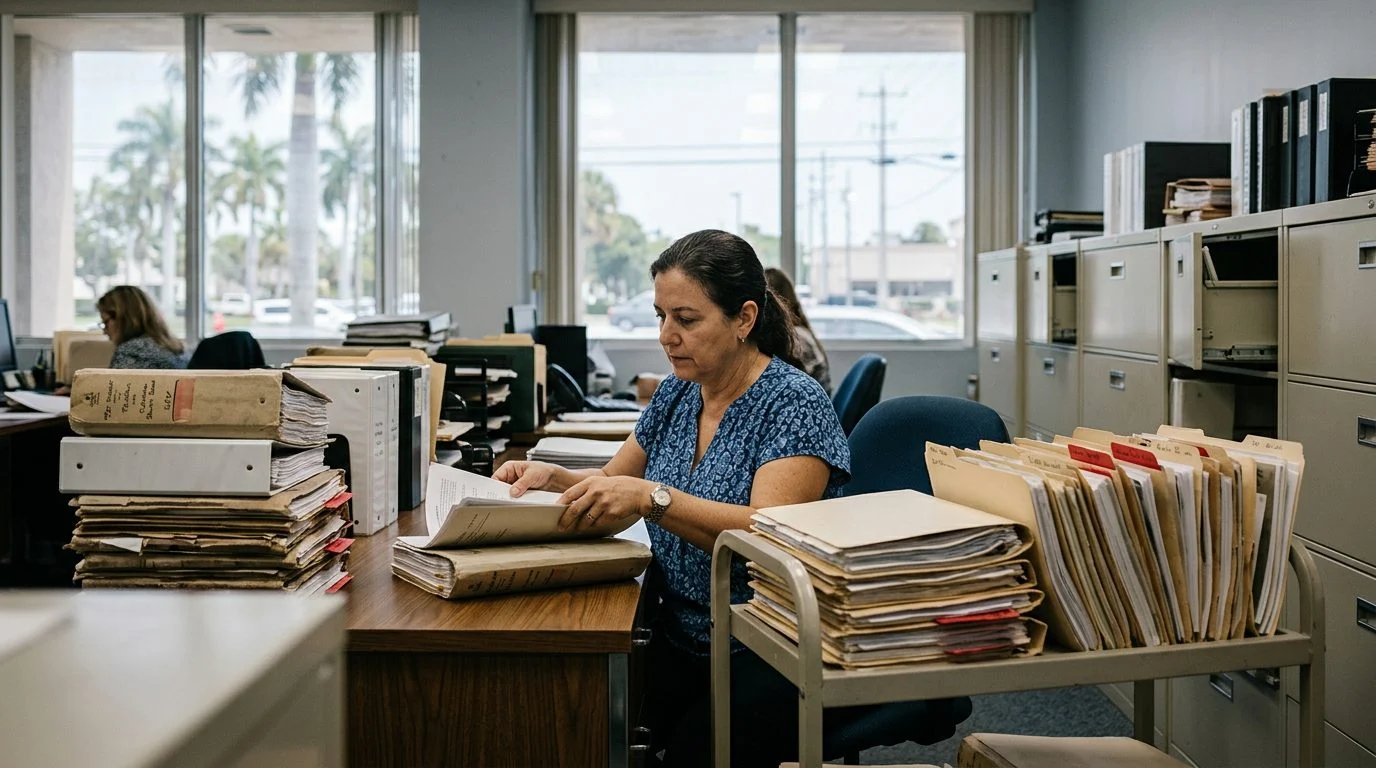
Administering an estate means the personal representative collects assets, pays valid debts and distributes what remains under the will and Florida law. An attorney can advise that person at each step.
A personal representative is a fiduciary, meaning a person trusted to act for others. The role carries the standards of care that apply to trustees, plus the duty to settle and distribute the estate under the will and the Probate Code (§ 733.602 general duties).
Florida allows a person of full legal capacity who was a Florida resident at the time of death to serve as personal representative, subject to the code’s limits (§ 733.302).
Creditor deadlines also matter. Under § 733.702 claims limits, a creditor’s claim binds the estate only if filed in the probate proceeding by the later of 3 months after first publication of the notice to creditors or 30 days after service on a creditor who must be served.
Trust Counsel’s attorneys can serve individually as trustee or personal representative. Questions about beneficiary communications, creditor issues and trust administration steps are the kinds of matters the firm takes up with clients in these roles.
Next steps when a family estate or trust is already in question
If a parent has died or can no longer manage their affairs, or a sibling is questioning a distribution, you don’t have to choose between planning and litigation on your own. The documents, the deadlines and the family facts can be sorted out together. Leslie V. Marenco is the lawyer responsible for this page.
Is a will the same as estate planning?
No. A will is one document. Estate planning covers several documents and decisions for life, incapacity and death.
Which county handles a Florida probate?
Under § 733.101 venue rule, venue lies in the Florida county where the decedent was domiciled; if the decedent had no domicile in Florida, venue lies in any county where the decedent’s property is located, or, if the decedent had no property in Florida, in the county where any debtor of the decedent resides.
How long do I have to contest a revocable trust in Florida?
Under § 736.0604, an action to contest the validity of a trust that was revocable at the settlor’s death is barred if not commenced within the earlier of the chapter 95 period or six months after the trustee sent the person a copy of the trust instrument and a notice informing the person of the trust’s existence, of the trustee’s name and address, and of the time allowed for commencing a proceeding.
Our free discovery call is confidential and carries no obligation to continue. Call (305) 707-7126 or schedule online.
Why the distinction matters
Planning happens before a dispute
Estate planning is forward-looking work done during your lifetime, covering documents and decisions for incapacity and death.
Litigation responds to a conflict
Probate litigation and trust litigation arise when a estate or trust is contested, often by beneficiaries, heirs or fiduciaries who disagree about how it should be handled.
Different people are involved
Planning is usually guided by the person who owns the assets. Disputes bring in beneficiaries, heirs, personal representatives and trustees, each with their own interests.
The right first step depends on the facts
Knowing whether your matter is planning, administration or litigation shapes what documents to gather and what questions to ask.
Planning and disputes call for different steps
Estate planning is preparation you complete while you are alive. Probate litigation is a contested proceeding that starts once a dispute arises. Mixing the two up can leave a family reacting to a conflict that better planning might have prevented, or planning without addressing a problem already in progress.
Where Trust Counsel's attorneys can help
Estate planning
Planning for incapacity and death, including wills, trusts and related decisions for Florida families and business owners.
Probate and trust litigation
Representation of beneficiaries, heirs and fiduciaries in probate and trust disputes in Florida.
Trust and estate administration
Guidance for fiduciaries handling administration tasks. Trust Counsel's attorneys can serve individually as trustee or personal representative, and the firm advises and represents trustees, personal representatives and beneficiaries.
Succession, tax and asset protection
Planning for estate tax, business succession and asset protection for owners and high-net-worth families, including guardianship matters where needed.