
Florida estate planning | Coral Gables, Florida
Florida Estate Plan Timeline: From First Meeting to Signing
See the steps, documents and decisions that shape how long a Florida estate plan takes, and what to prepare before your first meeting with Trust Counsel, PL.
By Leslie V. Marenco · Published October 27, 2026
Florida estate planning does not run on a fixed schedule. This guide to the Florida estate plan timeline walks through each stage, from the first meeting to signed documents. It also shows where time usually goes and how planning differs from probate, which starts only after a death. Trust Counsel, PL focuses on trusts and estates matters from its only office in Coral Gables, Florida.
How long does it usually take to complete a Florida estate plan, from initial meeting to executed documents?
The Florida estate plan timeline has no fixed length. It runs from the first meeting through information gathering, drafting, review, and signing. The size of the estate and the number of family or business issues set how long each stage takes.
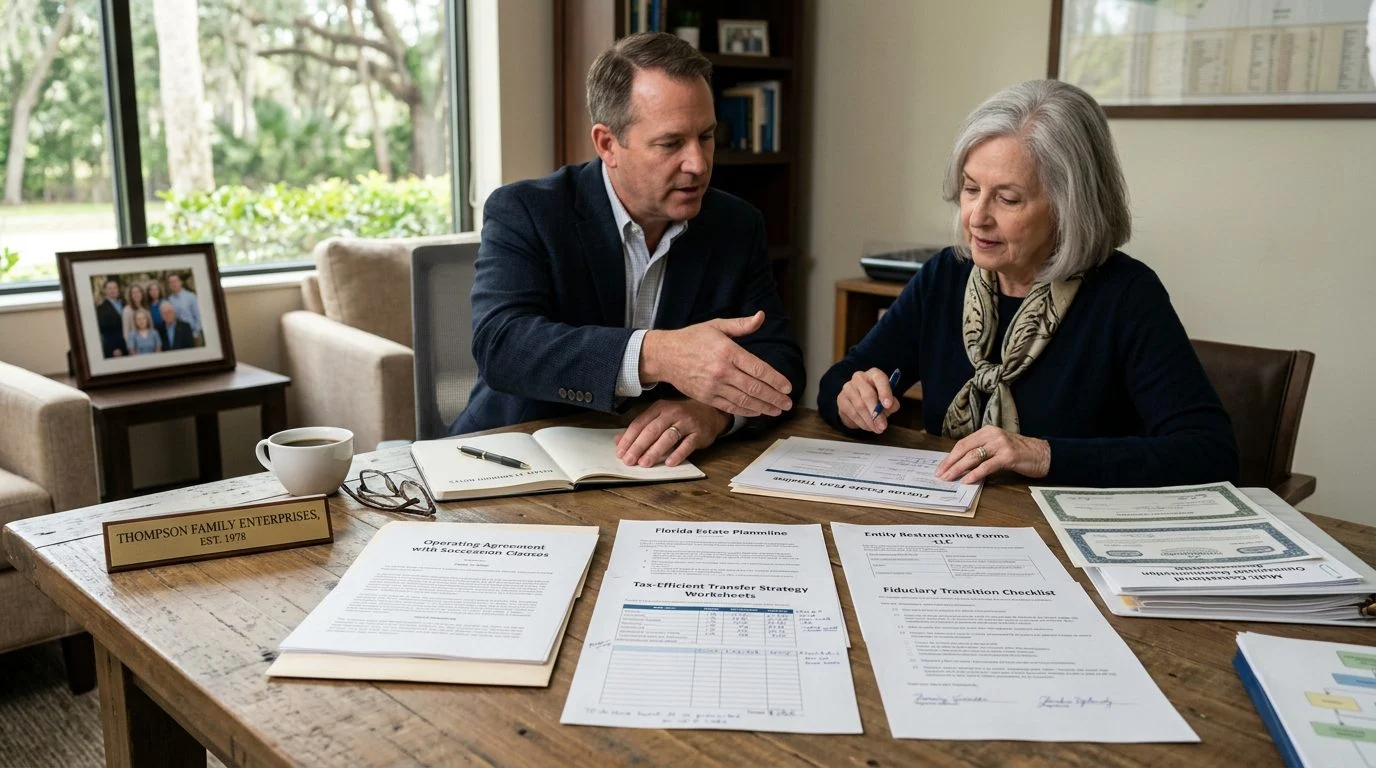
A simple plan moves faster. Picture one Florida home, a few bank accounts, and adult children who agree on who should serve. The attorney prepares the drafts, and you review them and send your comments back. Plans with real estate in several states, a business interest, or blended-family terms take longer. Each added asset or person creates more questions and more drafts.
Signing is not the finish line. A plan works only when assets are titled to match it and beneficiary forms agree with it. Many people sign documents and then leave the funding steps for later. Tracking funding from the start keeps the timeline honest.
Not sure what your next step is?
Talk it through with Trust Counsel, PL — the first consultation is free, confidential, and carries no obligation.
What steps fall between the first meeting and the signing?
Most Florida plans move through five stages: intake, inventory, drafting, review, and signing. Funding comes after the signing.
At intake, the attorney reviews your goals and family. You also decide who should serve as trustee or personal representative (the person who manages an estate after death), and who should receive property.
Next, you gather deeds, account statements, life insurance and retirement beneficiary forms, business agreements, and any existing will or trust. Missing papers are a common reason this stage runs long.
The attorney then prepares drafts. You read them, ask questions, and request changes. Each round adds time, so clear decisions up front save time later.
Florida law sets the signing rules for a will. The testator signs at the end, or another person signs the testator’s name at the testator’s direction. Two attesting witnesses must be present, and they must sign in the testator’s presence and in each other’s presence, under § 732.502.
After signing, assets must be retitled and beneficiary forms updated. Plans often stall at this step, so put it on the checklist before the signing date.
Which documents does a Florida estate plan usually include, and how does each one affect the timeline?
A typical Florida plan includes a will, a durable power of attorney, a health care advance directive, and beneficiary designations. A revocable trust is added when your goals call for one.
A last will and testament is short in simple cases.
A revocable trust takes more drafting and more funding work. Once assets are titled to it, they can be handled under the trust’s terms. A revocable trust can be changed while you are alive, unless its terms say it is irrevocable, under § 736.0602; this rule does not apply to a trust created under an instrument signed before the Florida Trust Code took effect.
Florida sets execution requirements for a durable power of attorney, including the principal’s signature, two witnesses, an acknowledgment, and agent qualifications. The principal must sign it, two subscribing witnesses must sign it, and the principal must acknowledge it before a notary public or as otherwise provided in s. 695.03, under § 709.2105.
Beneficiary designations on retirement accounts and life insurance policies are worth reviewing alongside a will, because they can affect how those assets are handled. Those forms must match the plan.
Trust Counsel’s attorneys can serve individually as trustee or personal representative. The firm advises and represents trustees, personal representatives and beneficiaries.
Where do Florida estate plans usually slow down?
Plans slow down when assets are not titled to match the plan, when property sits in another state, or when family or business choices are still open.
Titles are a common delay. A deed or joint account still in your own name will not follow a trust until the title changes. Vehicle titles can also be placed in a revocable trust.
Real property in another state may need its own deed and local steps. Ask about it early so it does not surprise you late in the process.
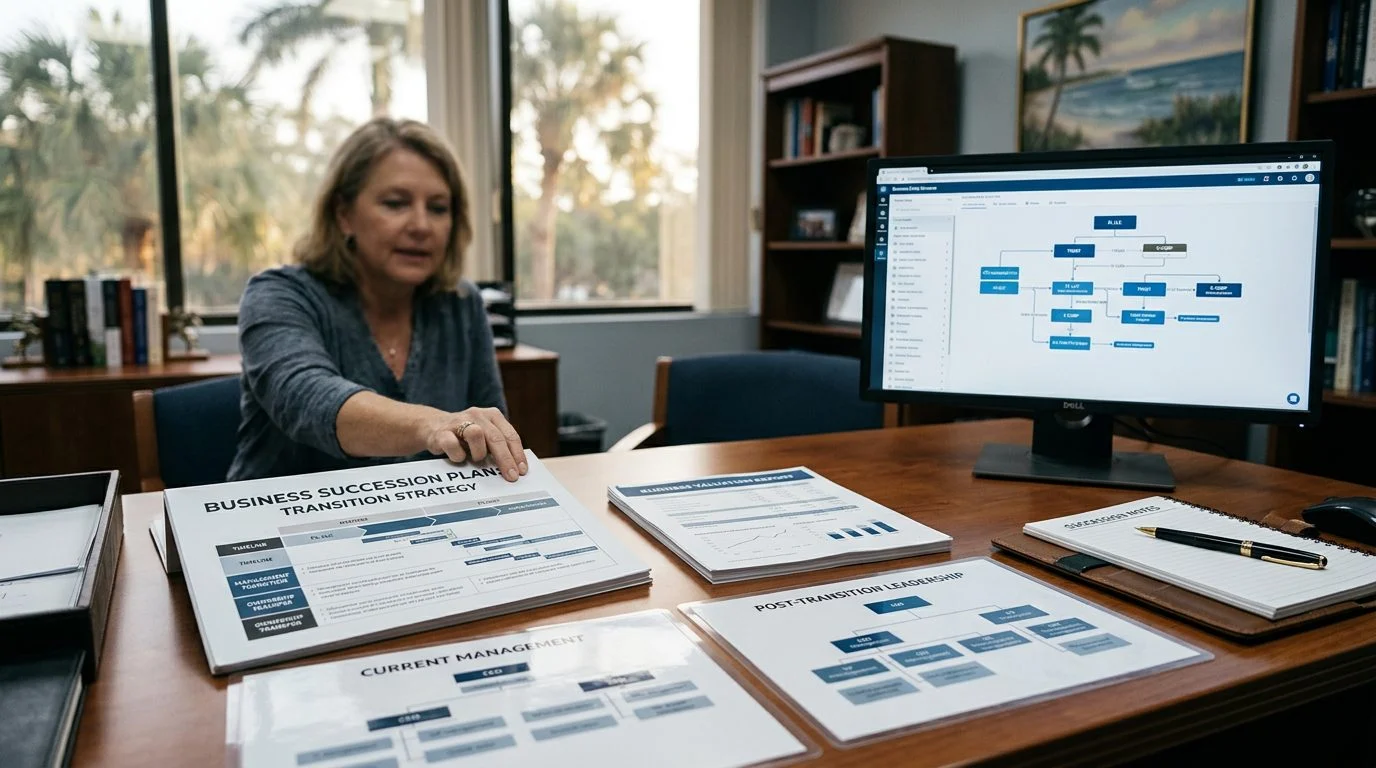
Business interests need a review of operating agreements, buy-sell terms, and successor management. Those reviews involve other owners, which adds time.
Disagreement over who should serve, or how property should be split, adds rounds of revision before signing.
A health change can shorten the window to sign. Starting sooner leaves more room to make changes.
How does the estate planning timeline differ from the probate timeline in Florida?
Estate planning happens while you are alive. Probate starts only after death, when the will is taken to court.
Probate follows stages set by Florida’s Probate Code, Chapter 733 of the Florida Statutes. The personal representative must promptly publish a notice to creditors. Publication runs once a week for 2 consecutive weeks, under § 733.2121.
Creditors have a limited window to file claims. Under § 733.702, claims that are not barred by s. 733.710 must be filed in the probate proceeding by the later of 3 months after first publication of the notice to creditors or, for a creditor required to be served, 30 days after service; the court may extend that time only on grounds of fraud, estoppel, or insufficient notice of the claims period. Mortgage and other lien enforcement, and certain casualty-insurance claims, are not affected.
Distribution waits too. Under § 733.801, a personal representative does not have to pay or deliver a devise or distributive share until 5 months after letters are granted.
So how long does a will in probate take? No fixed number applies. Time depends on the estate’s complexity and on whether disputes arise. The stages above show where that time goes. A trust can reduce the assets that pass through probate.
What common mistakes lengthen the process of building a Florida estate plan?
The biggest delays come from waiting too long, leaving assets untitled, and keeping forms that conflict with the plan.
- Waiting until a health change limits the ability to sign. Capacity can change quickly, and that narrows your options.
- Creating a trust but not retitling assets into it. An unfunded trust cannot hold property it never received.
- Leaving beneficiary designations that conflict with the will or trust. The forms often control the asset.
- Signing a will without two witnesses present. Florida’s witness rules under § 732.502 must be followed exactly.
- Naming fiduciaries without confirming they are willing and able to serve. Under § 736.0701, a designated trustee who does not accept within a reasonable time is deemed to have declined.
Not sure what your next step is?
Talk it through with Trust Counsel, PL — the first consultation is free, confidential, and carries no obligation.
Talking with Trust Counsel, PL about your family’s estate plan timeline
If you are planning for a parent whose health is changing, a first conversation can map the steps for your situation. The same is true if you are timing a business succession after a change in ownership.
Leslie V. Marenco is the responsible lawyer for this page. Trust Counsel, PL’s only office is in Coral Gables, Florida. We serve clients in Fort Lauderdale, Boca Raton, West Palm Beach, Doral, Kendall, Pinecrest, Key Biscayne, and Aventura.
Frequently asked questions
What sets the Florida estate plan timeline most?
The number of assets, family decisions, and business interests sets most of the time. Each added item usually means more drafts.
Does a Florida will need witnesses?
Yes. Two attesting witnesses must be present, under § 732.502.
Can a Florida revocable trust be changed? Trust revocation is addressed in § 736.0602. Unless the terms of a trust expressly provide that the trust is irrevocable, the settlor may revoke or amend the trust under § 736.0602, but this does not apply to a trust created under an instrument executed before the effective date of this code.
Your first consultation is free, confidential, and carries no obligation to continue. Call (305) 707-7126 to talk through the timing for your own plan.
The estate plan timeline, step by step
1. First meeting
We review your family, your assets and any business interests, and discuss your goals. This conversation sets the scope of the plan.
2. Information gathering
You gather account statements, deeds, beneficiary designations and entity documents. Complete information keeps drafting on track.
3. Drafting and review
Your attorney prepares the documents and walks you through each provision. Changes are made until the plan reflects your decisions.
4. Signing and funding
Assets are then retitled or updated so the plan works as written.
What sets the length of your timeline
Number of assets
More accounts, properties and titles mean more inventory and more drafting before signing.
Family decisions
Guardianship choices, beneficiary shares and successor fiduciaries take time to settle and document.
Business interests
Succession terms, operating agreements and tax planning often require added review and coordination.
Your availability
Prompt responses to drafts and questions keep the timeline moving.
Before you sign, check your assets
Review how each account and property is held before you finalize the documents.