

Florida Trusts and Estates | Coral Gables
Worried a Parent's Trust or Estate Plan Was Changed Improperly?
How heirs can recognize warning signs of elder exploitation, and the practical steps that help protect a family's position.
By Leslie V. Marenco · Published November 11, 2026
Your parent’s trust or will changed late in life, and something about the change doesn’t add up. Florida heirs have three main tools: a court injunction to stop ongoing transfers and contact, a challenge to a document procured by undue influence, and a guardianship petition when a parent can no longer manage their own affairs. Some challenge deadlines are short, so timing matters.
This guide explains the warning signs, how each tool works, and which records to gather. Every family’s facts differ, so the steps that fit yours depend on those facts.
What elder financial exploitation means in a Florida estate plan
Elder financial exploitation is the improper use of an older or vulnerable adult’s money, property, or documents for someone else’s gain.
A change to a trust, will, beneficiary designation, or account title can be one of the most serious forms. No cash leaves the account, yet property meant for the parent’s family can move to someone else. Florida law lets a settlor, the person who created the trust, revoke or amend a revocable trust. A parent who is the settlor of a revocable trust may revoke or amend it on their own, unless the trust’s terms expressly provide that the trust is irrevocable. The real question is whether the choice was free.
The trouble starts when someone with influence steers the change. A common mistake is waiting until after the funeral to ask questions. By then, witnesses may be hard to reach and the paper trail may be harder to rebuild.

If you think someone changed your parent's trust or accounts while your parent was vulnerable, you don't have to work through the deadlines alone. Talk it through with our team — the first discovery call is free, confidential, and carries no obligation.
Warning signs that a parent’s plan was changed under pressure
The clearest warning signs are changes that follow soon after someone takes over daily affairs. Watch for these patterns:
- Amendments or new beneficiary designations shortly after a caregiver, new partner, or agent starts handling bills and appointments.
- Changes that benefit the person who arranged the meeting, drafted the papers, or drove the parent to the signing.
- Isolation, such as missed family visits, unreturned calls, or someone controlling the mail, phone, or medical information.
- Unexplained transfers, new joint account owners, or withdrawals made under a power of attorney.
- A parent who cannot explain the change, or who gives a reason that doesn’t match what they said before.
No single sign proves anything. The pattern matters. A new change, plus isolation, plus a new account owner tells a far stronger story than one odd signature. Write down dates and who was present as soon as you notice a sign. Memory fades, and dates carry weight later.
How a Florida exploitation injunction works and who can file one
A court may enter an injunction for protection against exploitation of a vulnerable adult under Fla. Stat. § 825.1035, and the Florida Bar probate rules show the form used for it. The injunction can order that the respondent have no contact with the vulnerable adult.
The injunction comes from Fla. Stat. § 825.1035. The form is valid and enforceable in all Florida counties, but it does not affect title to real property. A petition can ask for a temporary order first, with a hearing set on the full petition. The petition also asks about earlier attempts to get an injunction and any reports to agencies such as the Department of Elder Affairs or the Department of Children and Families.
The statute sets out who may ask for the injunction. An injunction stops ongoing transfers and contact.
Undue influence and what heirs must show about a changed plan
The document then reflects that person’s wishes, not the parent’s. Florida law says a trust created, amended, or restated through fraud, duress, mistake, or undue influence is void, and so is any part procured that way. Fla. Stat. § 736.0406 The rest of the trust stays valid if it isn’t invalid for other reasons. A will works the same way under Fla. Stat. § 732.5165.
Burden of proof matters too. Fla. Stat. § 733.107 That same section describes a presumption of undue influence in transactions involving abuse of a fiduciary or confidential relationship. That presumption shifts the burden of proof.
Trust challenges use the void rule in section 736.0406, while the burden rules in section 733.107 cover will contests and, for the undue influence presumption, any transaction or event to which the presumption applies. A lawyer can explain how those rules apply to your facts. Facts that often matter include the beneficiary’s role in arranging the change, the parent’s health and independence at signing, and how sudden the change was.
Trust contests and the deadlines heirs need to understand
A trust contest asks a court to declare a trust, or part of it, invalid. The deadline to file can be short. A will contest happens in probate. A trust contest may not involve probate at all, so heirs can miss the window if they don’t watch their mail.
For a trust that was revocable when the settlor died, a contest is barred if not filed within the earlier of the chapter 95 time limit or six months after the trustee sends the person a copy of the trust and a notice informing the person of the trust’s existence, of the trustee’s name and address, and of the time allowed for commencing a proceeding. The trustee’s notice must also state the trust’s existence, the trustee’s name and address, and the time allowed to file. Fla. Stat. § 736.0604
Section 736.1008 governs when a beneficiary’s claims against a trustee for breach of trust are barred; it does not give qualified beneficiaries a right to a copy of the trust instrument or to regular accountings. Fla. Stat. § 736.0813 While a trust is still revocable, those duties run only to the settlor. Keep every envelope, email, and notice with its date.
Not sure what your next step is?
Talk it through with our team — the first discovery call is free, confidential, and carries no obligation.
When a guardianship may be necessary
A guardianship is a court process in which a judge decides whether a person can no longer manage their own affairs. An adult may sign that petition, which must be verified. It must also state the facts behind the belief and name the people who saw those facts firsthand. Fla. Stat. § 744.3201
Guardianship is different from an injunction. An injunction protects assets from a suspected exploiter. A guardianship addresses the parent’s ability to make decisions.
A guardian’s power over a trust is limited. The National Center on Elder Abuse explains how guardianship and fiduciary duties connect to misuse of an older person’s income or assets.
Other ways to protect an elder from financial exploitation
Three places to look first are the power of attorney, the bank, and the trustee. An agent under a power of attorney is a fiduciary. The agent must act in good faith, stay within the authority granted, and keep a record of receipts, disbursements, and transactions. Fla. Stat. § 709.2114
After the principal dies, the personal representative can make that request.
Ask the trustee for information about the trust and its administration. A trustee must keep qualified beneficiaries reasonably informed about the trust. Send a written request, so you have a dated record.
Suspected elder financial abuse can be reported to Adult Protective Services, the police, or other appropriate authorities. The Consumer Financial Protection Bureau explains how to report it. Consider a written letter to the parent’s bank describing your concern. A physician’s notes on the parent’s condition can matter if capacity is in question.
Documents and records to gather before speaking with a Florida trust litigation attorney
Start with the current trust or will and every earlier version. Changes are easiest to spot side by side. Gather these records:
- Copies of the current and prior trust, will, power of attorney, and beneficiary designations, with dates.
- Bank, brokerage, and property records that show transfers, new account owners, and withdrawals.
- A timeline of the caregiver’s, new partner’s, or agent’s involvement, including medical visits and signing events.
- Texts, emails, and notes showing the parent’s stated wishes and any sudden change in their communications.
- Any notices from a trustee or personal representative (often called an executor), with their dates.
Keep the originals intact and store them where they can’t be altered. Make copies for your own working file. If you already have a trustee’s notice, check its date now, because a contest clock may already be running.
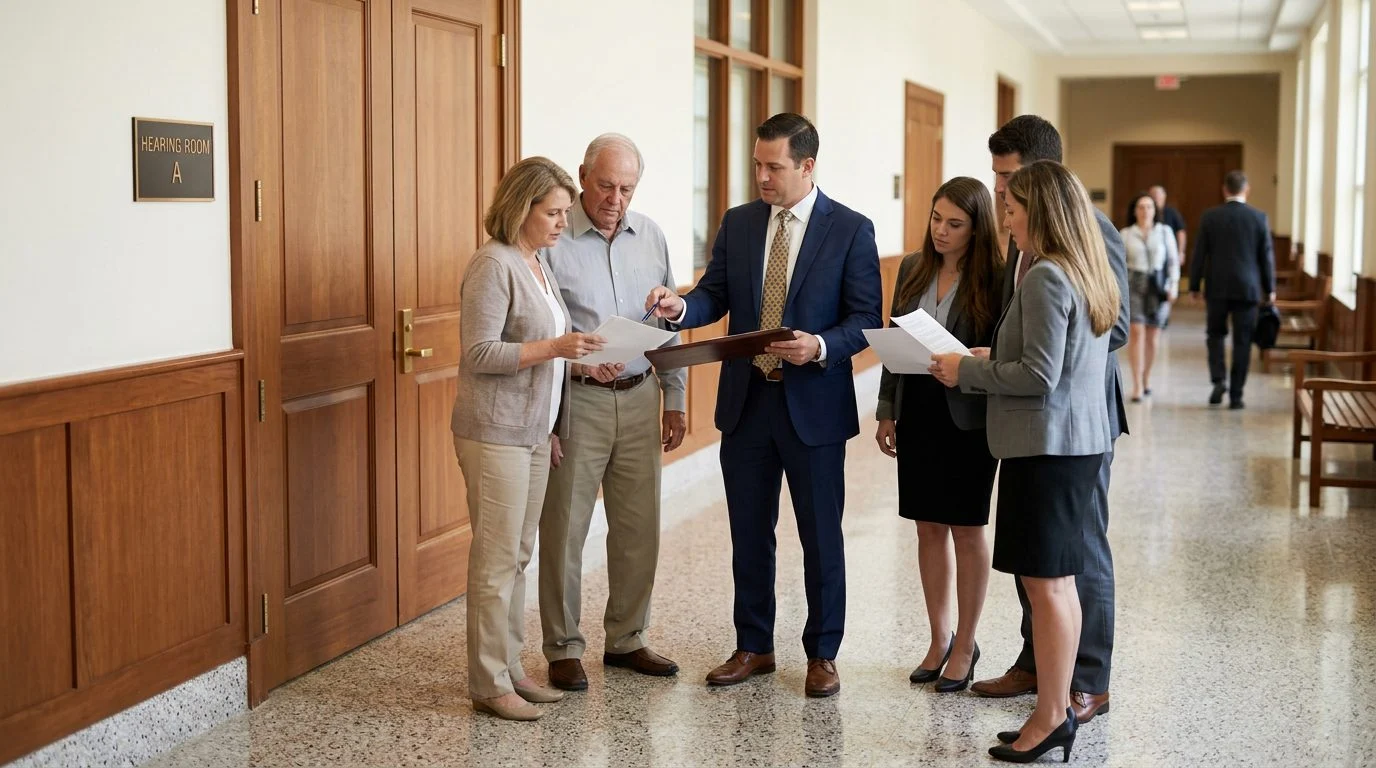
Talking with a Florida trust litigation attorney about your parent’s plan
A Florida trust litigation attorney can review these records and explain which tools may fit your facts. Leslie V. Marenco is the responsible lawyer for this page. Trust Counsel, PL is located in Coral Gables, Florida, and represents beneficiaries, heirs, and fiduciaries in probate and trust disputes in Florida. Its lawyers include Leslie V. Marenco and Tanya Vega.
Trust Counsel’s attorneys can serve individually as trustee or personal representative. The firm advises and represents trustees, personal representatives and beneficiaries. Some matters fit better with another lawyer or firm, and the attorney will say so if yours is one.
How long do I have to contest a trust in Florida?
For a trust that was revocable at the settlor’s death, the window can be as short as six months after the trustee sends you a copy of the trust instrument and a notice of the trust’s existence, the trustee’s name and address, and the time allowed for commencing a proceeding. Check the dates on every notice you have received.
Can an injunction undo a trust change?
No. An injunction stops ongoing transfers and contact.
Where can I report suspected elder financial abuse?
You can report it to Adult Protective Services, the police, or other appropriate authorities.
The first call is a free discovery call. It is confidential and carries no obligation to continue. If you think someone changed your parent’s trust or accounts while your parent was vulnerable, you don’t have to work through the deadlines alone. Call (305) 707-7126 or schedule online to set up a discovery call.
Have questions about what happened?
Ask our team directly. The first conversation is free, confidential, and there is no obligation to continue.
How Trust Counsel Helps Heirs and Beneficiaries
Document review
We review trust instruments, amendments, beneficiary designations and notices with you to show what changed, when it changed and who was involved.
Representation for beneficiaries and heirs
The firm advises and represents trustees, personal representatives and beneficiaries in probate and trust disputes.
Litigation when a challenge is needed
Our probate and trust litigation attorneys focus on disputes over undue influence, improper changes and mismanaged assets.
A confidential first step
Your free discovery call is confidential and carries no obligation to continue.
Before You Act
Do not sign new documents, move accounts or accept a changed plan until you have had the papers reviewed. Keep every letter, notice and email you have received about the trust or estate.
Services for Families Facing These Issues
Trust litigation
Representation for beneficiaries and heirs in disputes over trust terms, amendments and trustee conduct.
Probate litigation
Representation in contested estate matters, including challenges to a will or the actions of a personal representative.
Guardianship
Guidance for families concerned about an elder's ability to manage their own affairs and property.
Professional trustee and fiduciary services
Trust Counsel's attorneys can serve individually as trustee or personal representative, and the firm advises and represents fiduciaries as well.