

Probate Litigation | Coral Gables, Florida
Evidence of Lack of Capacity in a Florida Will
Trust Counsel, PL focuses on probate and trust disputes for heirs, beneficiaries and fiduciaries. Leslie V. Marenco is responsible for this page. Book a free first consultation to talk through what the evidence may show.
By Leslie V. Marenco · Published November 1, 2026
Short Answer: Capacity Is Judged at the Time of Signing
Evidence of lack of capacity in a Florida will comes mostly from proof about the day the will was signed. Under Florida law, any person who is of sound mind and who is either 18 or more years of age or an emancipated minor may make a will (Fla. Stat. § 732.501). So the key question is the person’s mental state when they signed. Evidence from months before or after matters mainly because it helps show what was true on that date. Lawyers usually test that date by asking whether the person understood their property, their family, that they were making a will, and how the will divided their property. Trust Counsel’s trust litigation attorney page covers these disputes.
If a parent's will was signed during a hospital stay or after a memory diagnosis, you may have questions about a claim, and we can help you sort them out now. Talk it through with Trust Counsel, PL — the first consultation is free, confidential, and carries no obligation.
Medical Records and Treating-Provider Testimony
Medical records made close to the signing date are often the most direct proof of a person’s condition. Look for hospital charts, office notes, cognitive screening results, and notes about confusion, memory loss, or disorientation. Medication lists from the same period matter too, because some medicines can affect thinking. Doctors and nurses who wrote those notes can testify about what they saw and when they recorded it. A note written that same day carries more weight than a summary written after a dispute starts. Records made months later are weaker proof of the signing day. They can still show a long-term condition, but they do not replace records from the date itself.
The Drafting Attorney’s File and the Signing Ceremony
The drafting lawyer’s file often shows how the will came about and who gave the instructions. Intake notes, draft versions, and questions about family and property can show whether the person described their plans in their own words. Notes about who attended the signing matter as well. Under Fla. Stat. § 733.201, self-proved wills executed in accordance with the Florida Probate Code may be admitted to probate without further proof, but a purportedly self-proved electronic will may be admitted to probate only in the manners prescribed in subsections (2) and (3) if its online notarization substantially failed to comply with the procedures in s. 117.265. That affidavit covers how the will was signed. It does not answer whether the person was of sound mind. The file is usually held by the drafting lawyer, and getting it depends on the probate process.
Witness Accounts: Attesting Witnesses, Family, Caregivers, and Staff
The attesting witnesses are the people who watched the will get signed. They can describe how the person spoke, looked, and answered questions that day. Family members, caregivers, neighbors, and staff at a bank or care facility may have seen the person in the weeks around the signing. Their accounts carry the most weight when they are specific and tied to dates. A vague claim that someone “wasn’t themselves” helps less than a dated account of what the person said about a child or a house. Witnesses who give a technical opinion about thinking ability may testify on that subject. Florida probate follows the rules of evidence used in civil cases unless the probate code changes them (Fla. Stat. § 731.1035).
Circumstantial Evidence: Prior Wills, Sudden Changes, and Financial Records
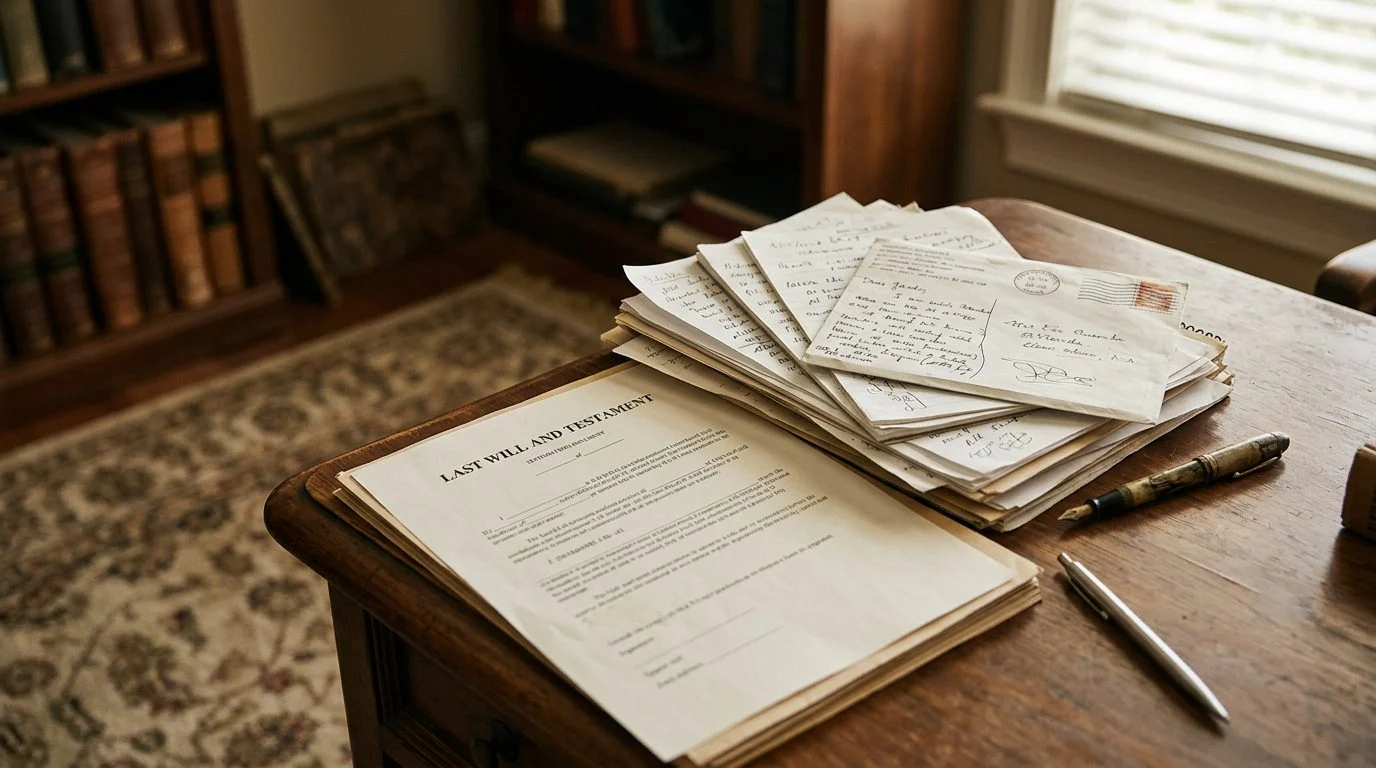
Earlier wills and financial records can show whether a sudden change fits a person’s long-standing plan. A new beneficiary who replaces people named in earlier documents can raise questions, especially if the change came quickly. Bank statements, bill payments, and property records near the signing date may show whether the person was still handling their own affairs. Courts weigh these clues together with medical and witness proof. None of them proves capacity alone. Lack of capacity is also a different ground from fraud, duress, mistake, or undue influence. Under Fla. Stat. § 732.5165, a will is void if its execution was procured by those means. Facts about pressure or manipulation call for a separate analysis from facts about mental condition.
How a Florida Will Contest Is Brought and What Deadlines Apply
The challenger carries the burden of proof after the will’s proponent makes a first showing. Under Fla. Stat. § 733.107, the proponent must first establish the will’s formal execution and attestation. After that, the contestant must establish the grounds for opposing probate. Fla. Prob. R. 5.275 states the same sequence. Timing is the harder problem. Under Fla. Stat. § 733.212, an interested person served with a notice of administration must file a validity objection within 3 months after service, or those objections are forever barred. That 3-month period can be extended only for estoppel based on a personal representative’s misstatement about it. Objections must be filed no later than the earlier of a final discharge order or 1 year after service. Fla. Stat. § 733.212 sets a separate deadline for claiming exempt property: persons entitled to it are deemed to waive that right unless a petition for determination of exempt property is filed by the later of 4 months after service of a copy of the notice of administration on them or 40 days after the end of any proceeding involving the construction, admission to probate, or validity of the will, or involving any other matter affecting any part of the exempt property. This exempt-property deadline is distinct from the 3-month deadline for objecting to the validity of a will. Under Fla. Prob. R. 5.240, the personal representative (often called an executor) must promptly serve the notice on the listed persons who are known to the personal representative and were not previously served under section 733.2123, Florida Statutes. How strong a particular challenge is depends on the facts.
Not sure what your next step is?
Talk it through with Trust Counsel, PL — the first consultation is free, confidential, and carries no obligation.
Next Step: Talk Through Your Situation
A will signed during a hospital stay or after a memory diagnosis often raises one hard question: should you contest it now? The 3-month objection window makes timing the first thing to review. If that is your situation, call (305) 707-7126 or schedule online. The first consultation is free, confidential, and carries no obligation to continue.
Leslie V. Marenco is the lawyer responsible for this page. Trust Counsel, PL’s only office is in Coral Gables, Florida. Your matter may be referred to another lawyer or firm.
Can a will be challenged for lack of capacity in Florida?
Yes. Florida law allows a person who is of sound mind and either 18 or more years of age, or an emancipated minor, to make a will.
Who has to prove lack of capacity in Florida?
The person contesting the will does, after the proponent shows formal execution and attestation (Fla. Stat. § 733.107).
How long do I have to contest a will in Florida?
Under Fla. Stat. § 733.212, an interested person who is served with a copy of the notice of administration and wants to challenge the will’s validity, the venue, or the court’s jurisdiction must file a petition or other pleading under the Florida Probate Rules within 3 months after the date of that service, or those objections are forever barred; that 3-month period can be extended only for estoppel based on a personal representative’s misstatement about the time to object. In all events, such objections must be filed no later than the earlier of the order of final discharge of the personal representative or 1 year after service of the notice. Fla. Stat. § 733.212 reads: “(d) That persons who may be entitled to exempt property under s. 732.402 will be deemed to have waived their rights to claim that property as exempt property unless a petition for determination of exempt property is filed by such persons or on their behalf on or before the later of the date that is 4 months after the date of service of a copy of the notice of administration on such persons or the date that is 40 days after the date of termination of any proceeding involving the construction, admission to probate, or validity of the will or involving any other matter affecting any part of the exempt property.”
How the Firm Approaches a Capacity Challenge
Review of the Will and Signing
We look at how the will was prepared, who was present at the signing, and whether the attestation and execution steps were documented.
Medical and Care Records
Records from physicians, hospitals and care providers can show the testator's condition close in time to when the will was signed.
Witness and Family Accounts
Statements from family members, caregivers and others who saw the testator day to day can help build a clear picture of mental functioning.
Confidential First Conversation
The free first consultation is confidential and comes with no obligation to continue.
Start Gathering What You Already Have
Keep copies of any medical records, letters, emails, calendars and notes about the testator's health and daily life. Do not alter or discard documents, and avoid posting about the dispute online.
Types of Evidence Often Reviewed
Contemporaneous Medical Records
Notes, test results and prescriptions dated near the signing of the will can shed light on cognition and judgment at that time.
Circumstances of the Signing
Who arranged the meeting, who drafted the document, and whether the testator understood what was being signed are common questions.
Changes From Prior Estate Plans
Comparing the new will with earlier wills, trusts and beneficiary designations can reveal sudden shifts that prompt further review.
Testimony From People Who Knew the Testator
Accounts from friends, neighbors, caregivers and professionals describing the testator's memory, reasoning and daily abilities.
Talk With Trust Counsel About Your Situation
Related practice areas
- Beneficiary Copy of Trust Document Florida: Your Rights