
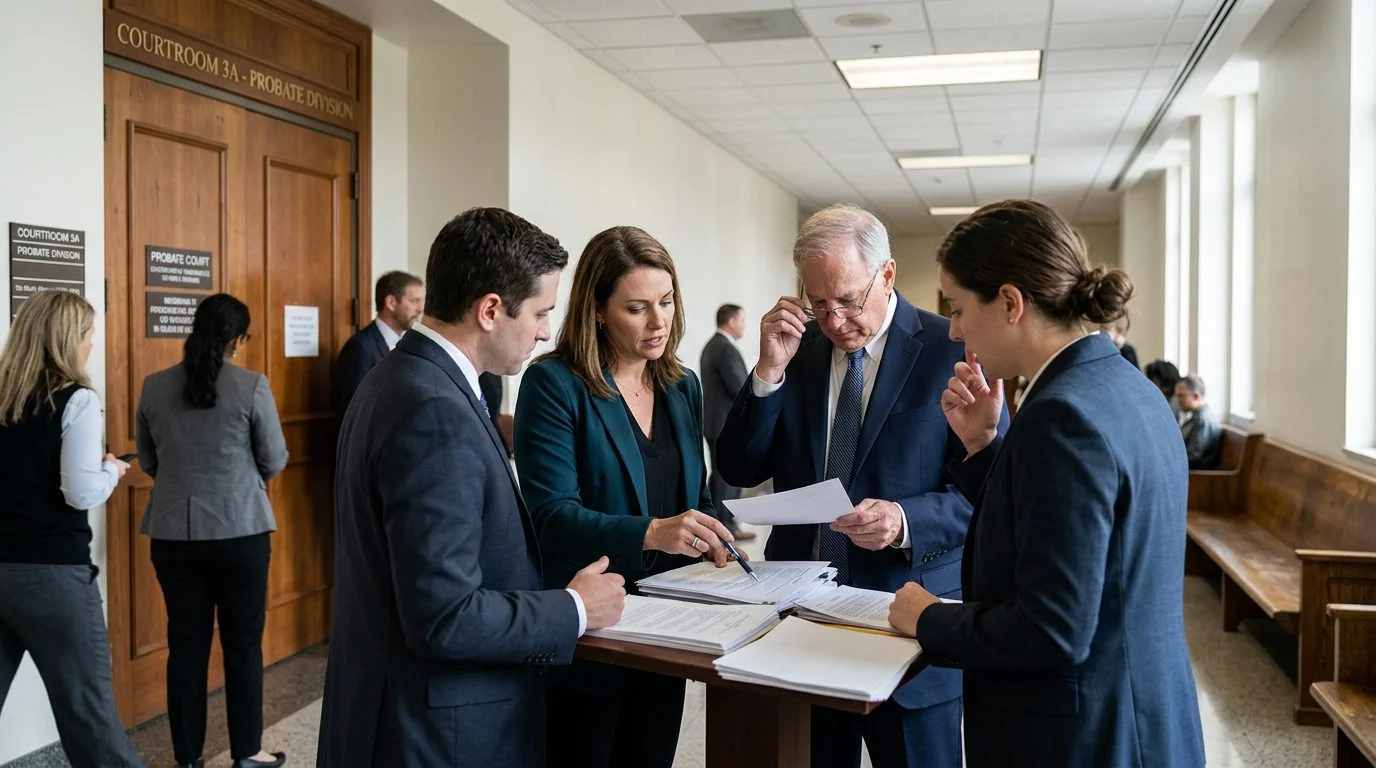
Trust Litigation | Coral Gables, Florida
Challenge a Florida Trust Amendment Signed Under Pressure
If a trust amendment was signed under pressure, fraud or undue influence, you may have grounds to challenge it. Trust Counsel, PL focuses on trust and probate litigation for beneficiaries, heirs and fiduciaries.
By Leslie V. Marenco · Published November 5, 2026
You can challenge a trust amendment signed under pressure in Florida if the pressure or influence overcame the signer’s free will. Florida law says a trust, or any part of it, is void if fraud, duress, mistake, or undue influence procured it.
This guide explains the difference between duress and undue influence. It also covers the evidence courts weigh, other grounds for a challenge, who can bring one, and the deadlines. The answer turns on how the amendment was made, not only on what it says.
What a Late Trust Amendment Is and Why It Gets Challenged
A late trust amendment is a signed change to an existing trust, made close to the signer’s death or during an illness. These changes draw extra scrutiny because the person who signed often can’t explain them later.
The person who creates a trust is the settlor. Unless the terms of a trust expressly provide that the trust is irrevocable, the settlor may revoke or amend it. This does not apply to a trust created under an instrument executed before the effective date of the Florida Trust Code. If a revocable trust has more than one settlor, community property may be revoked by either spouse acting alone but may be amended only by joint action of both spouses, and each settlor may revoke or amend the part attributable to that settlor’s own contribution. If fewer than all settlors revoke or amend the trust, the trustee shall promptly notify the other settlors of the revocation or amendment. A change isn’t wrong just because it came late.
A challenge doesn’t simply ask a court to dislike the new terms. It asks the court to find the amendment void or limited because of how it was made. Who arranged the signing, who was present, and what the settlor understood all matter.

Not sure what your next step is?
Talk it through with our team — the first discovery call is free, confidential, and carries no obligation.
Duress and Undue Influence: The Legal Difference
Duress usually involves threats, coercion, or force that left the signer no real choice. Undue influence is quieter. A caregiver, adviser, or close relative may steer the settlor and replace the settlor’s wishes with their own.
The two ideas often overlap. The same facts can support both theories, and a challenge may argue both. Florida’s trust statute covers them together. § 736.0406 says: “If the creation, amendment, or restatement of a trust is procured by fraud, duress, mistake, or undue influence, the trust or any part so procured is void.”
The same section protects the rest of the trust. The remainder is valid if it is not invalid for other reasons. A court can strike only the part that was procured that way.
How Courts Look at Undue Influence and Capacity
Courts look at the relationship between the signer and the person who benefits, the signer’s condition, and how the change was made. No single fact usually decides the question.
The person challenging the trust carries the burden. Fla. Stat. § 736.0207 says the contestant has the burden of establishing the grounds for invalidity.
Facts that often matter include the settlor’s dependence on the beneficiary, any isolation from family or friends, and the beneficiary’s role in arranging or preparing the change. A plan that departs sharply from earlier plans also draws attention.
Capacity is a separate question. Fla. Stat. § 736.0601 says the capacity to amend a revocable trust is the same as the capacity needed to make a will. Medical records from the signing period and the timing of the signing are often examined.
Florida’s will statute, § 733.107, says that in any transaction or event to which the presumption of undue influence applies, the presumption shifts the burden of proof, because it implements public policy against abuse of fiduciary or confidential relationships.
Fraud, Forgery and Execution Defects
An amendment can also be challenged for fraud, forgery, or a defect in how it was signed. Each ground asks a different question.
§ 736.0406 lists fraud beside duress and undue influence. Fla. Stat. § 736.0406 reads: “If the creation, amendment, or restatement of a trust is procured by fraud, duress, mistake, or undue influence.” A signature obtained by deception is a different problem from one given under pressure, so the facts decide which theory fits.
Execution asks whether the amendment followed the method the trust allows. § 736.0602 says that if a trust sets no method, the settlor may amend by a later will or codicil that expressly refers to the trust or specifically devises property that would otherwise have passed according to the terms of the trust. Another method also works if it shows clear and convincing evidence of intent. Signatures and witnesses are checked against the amendment and the settlor’s other papers.
Your Right to Contest and the Earlier Trust Terms
The earlier version of the trust is usually the baseline. The real question is whether the change reflects the settlor’s own intent.
Comparing the two documents shows what changed. It also shows whether the change fits a plan the settlor kept over time. A plan held for years and then replaced during an illness raises different questions than a gradual update.
Florida’s amendment rule explains why intent matters. Under § 736.0602, a settlor may amend by substantial compliance with the method the trust states. If the trust names no method, the amendment may be made by a later will or codicil that expressly refers to the trust or specifically devises property that would otherwise have passed under the trust, or by any other method manifesting clear and convincing evidence of the settlor’s intent.
Gather the original trust, each amendment, and any restatement. Missing documents make the comparison harder.
Have questions about what happened?
Ask our team directly. The first conversation is free, confidential, and there is no obligation to continue.
Beneficiaries and Heirs: Who Can Bring a Challenge
Timing controls who can start a case. § 736.0207 says a contest of a revocable trust may not begin until the trust becomes irrevocable by its terms or by the settlor’s death. That section does not bar a guardian of an incapacitated settlor from acting.
Trustees also have duties to inform. Fla. Stat. § 736.0813 requires the trustee to give notice within 60 days after learning that a formerly revocable trust has become irrevocable. On reasonable request, the trustee must also provide a qualified beneficiary with a complete copy of the trust instrument.
Trust Counsel’s attorneys can serve individually as trustee or personal representative. The firm advises and represents trustees, personal representatives and beneficiaries.
Some matters may be referred to another lawyer or firm. Trust Counsel’s only office is in Coral Gables, Florida. We serve clients in Fort Lauderdale and Boca Raton.
Filing Deadlines and Practical Pitfalls
A challenge has a firm time limit. Under § 736.0604, an action to contest the validity of a trust that was revocable at the settlor’s death is barred if not commenced within the earlier of: the time provided in chapter 95, or six months after the trustee sent the person a copy of the trust instrument and a notice informing the person of the trust’s existence, of the trustee’s name and address, and of the time allowed for commencing a proceeding. The action is barred if not commenced within the earlier of the time set by chapter 95 or six months after the trustee sends the person a copy of the trust instrument and a notice informing the person of the trust’s existence, of the trustee’s name and address, and of the time allowed for commencing a proceeding.
The six-month period can start from a notice the trustee sends. Check whether you have already received one, because that date may be the one that counts. Deadlines depend on the facts of each case.
Keep every email, text, medical record, and prior copy of the trust. Write down dates of visits or pressure while they are still fresh.
What Happens If the Amendment Fails
If a court finds an amendment void, that change does not take effect. The court decides the outcome based on the evidence it hears.
A partial result is possible. Under § 736.0406, the trust or any part procured by fraud, duress, mistake, or undue influence is void. The rest survives if it is valid for other reasons.
Some trust disputes settle through mediation, where a neutral person helps the sides talk.
No one can promise or predict how a particular matter will end.
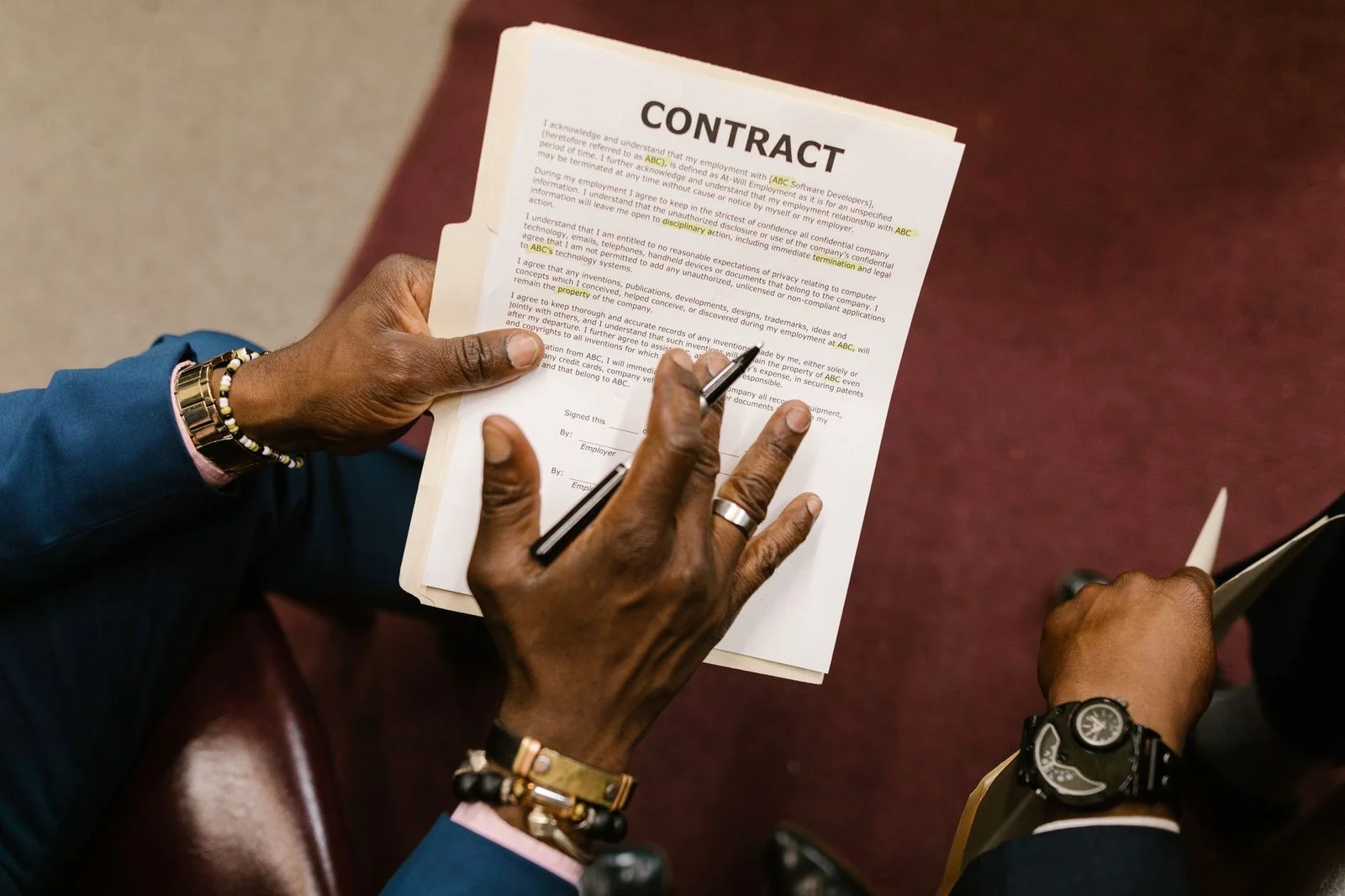
Talk Through Your Amendment With Our Coral Gables Office
If a parent or relative signed a late change while ill or under pressure, a free first discovery call can help you decide your next step.
Common Questions
Can you challenge a trust amendment signed under pressure in Florida?
Yes, if fraud, duress, mistake, or undue influence procured it. The challenge can reach only the part that was procured that way.
For a trust that was revocable at the settlor’s death, a challenge to the trust’s validity is barred if not started within the earlier of the chapter 95 period or six months after the trustee sent you a copy of the trust instrument and a notice of the trust’s existence, the trustee’s name and address, and the time allowed to start a case.
The first discovery call is free, confidential, and carries no obligation to continue. The attorney reviews the amendment, the earlier trust, the circumstances of the signing, and the deadline, then explains your options. Leslie V. Marenco is the responsible lawyer for this page. Trust Counsel’s only office is in Coral Gables, Florida.
Call (305) 707-7126 or schedule online through our contact page to start.
Want to know where you stand?
Tell us what happened and our team will walk you through the options available to you, at no cost.
Grounds that can be reviewed
Undue influence
Whether someone in a position of trust or control pressured the signer until the signer's free will was overcome.
Fraud
Whether the signer was misled about what the amendment did or about the facts behind it.
Duress
Whether the signer was threatened or coerced into signing.
Mistake
Whether the signer was operating under a material error when the amendment was signed.
Preserve the evidence
Keep the original trust documents, every version of the amendment, and any messages, emails or notes about how it was prepared and signed. Do not discard or alter them.
How a consultation works
Gather the documents
Bring the trust, the amendment, and any prior versions of the estate plan you have.
Write the timeline
Note who was present, who arranged the signing, and what was said in the weeks before and on the day it was signed.
Review the facts with an attorney
Trust Counsel, PL attorneys review the facts and explain the options available in your situation.