
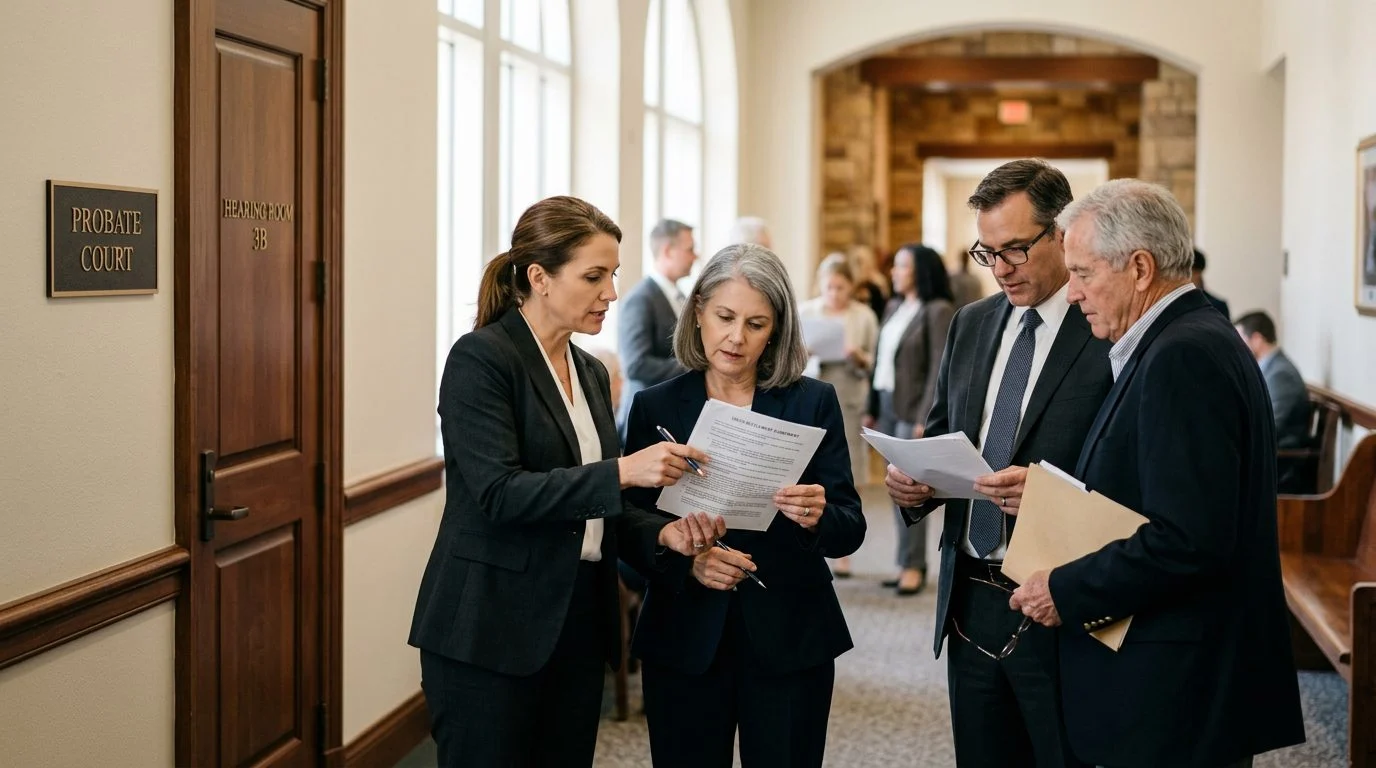
Trust & Estate Disputes | Coral Gables, Florida
Found an Unsigned Trust Amendment? Get Answers Before You Act
Trust Counsel, PL, a Coral Gables firm that focuses on trust and estate disputes, helps beneficiaries, heirs and fiduciaries understand what an unsigned trust amendment may mean under Florida law. Leslie V. Marenco is the responsible attorney for this page.
By Leslie V. Marenco · Published November 4, 2026
Whether a trust amendment is valid can depend on its form and on the trust’s terms, so it is worth reviewing any amendment with an attorney. A beneficiary, heir or fiduciary can still ask a court to decide what the settlor actually intended. This guide explains how Florida law looks at these documents and what to gather if you find one. Leslie V. Marenco is the responsible lawyer for this page, which Trust Counsel, PL publishes from its only office in Coral Gables.
Short Answer: Does an Unsigned Trust Amendment Change a Florida Trust?
An unsigned amendment may not change a Florida trust, because the settlor must follow the amendment method the trust sets out. A document that fails as an amendment can still matter, though. A court may read it as evidence of what the settlor wanted.
Whether a particular document took effect depends on the trust’s wording, how it was signed and delivered, and what the surrounding records show. Those facts are what a court reviews.
A beneficiary, heir or fiduciary who disputes the document can ask the probate or trust court to decide. Florida law says a judicial proceeding about a trust starts by filing a complaint, and it follows the Florida Rules of Civil Procedure, with listed exceptions (Fla. Stat. § 736.0201).
If you found a trust amendment that was never signed after a family member's death, you may be wondering who receives the trust property now. We can talk it through with you. Talk it through with Trust Counsel, PL — the first consultation is free, confidential, and carries no obligation.
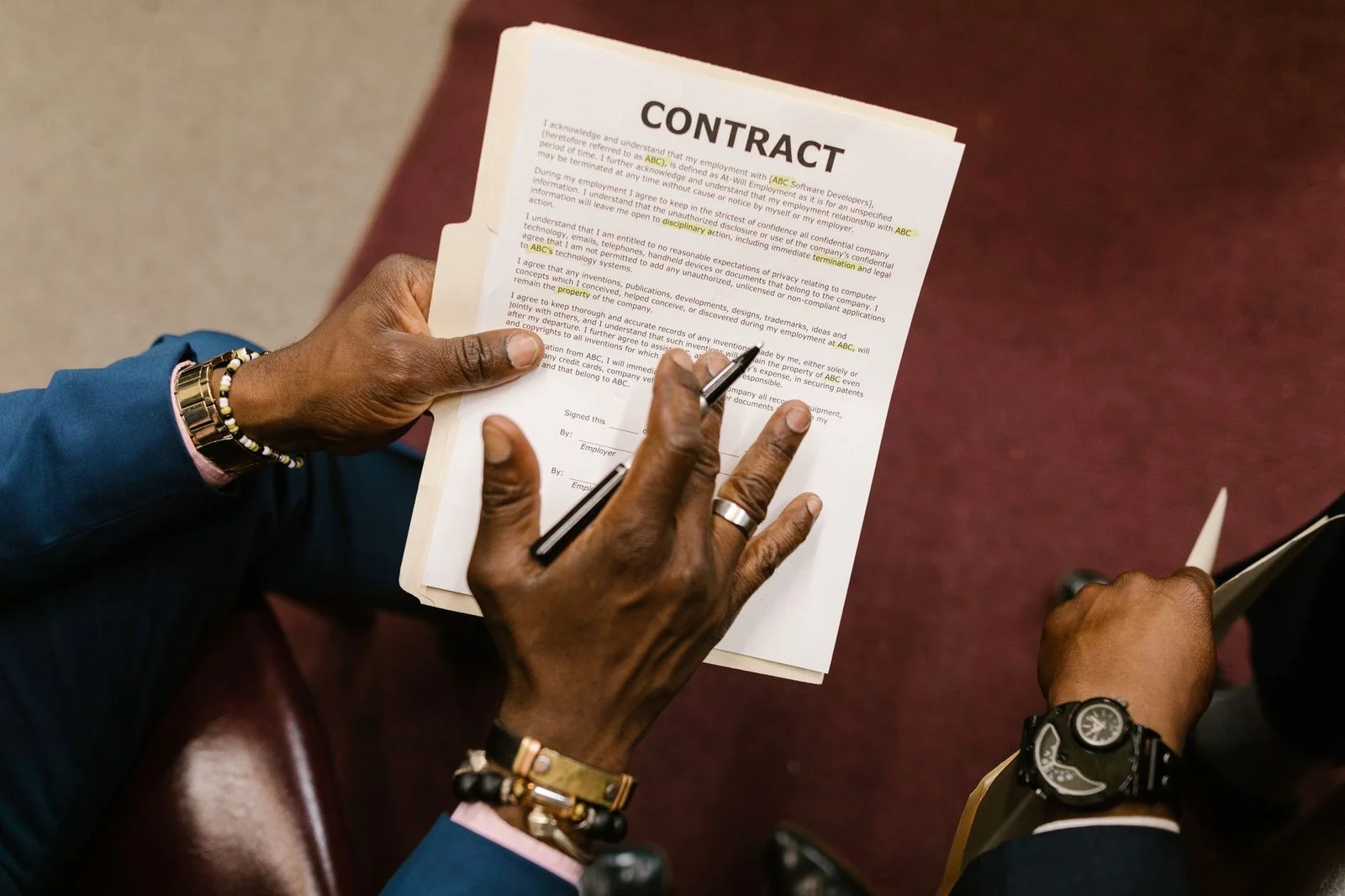
How Florida Law Decides Whether a Revocable Trust Was Amended
Florida law says that unless the trust terms expressly provide that the trust is irrevocable, the settlor may revoke or amend it, but this rule does not apply to a trust created under an instrument executed before the effective date of the Florida Trust Code (Fla. Stat. § 736.0602).
The settlor may amend by substantial compliance with a method the trust provides. Because the exact wording of a trust can affect how it is read, the document itself is worth careful review.
If the trust names no method, the settlor may amend by a later will or codicil that expressly refers to the trust or specifically devises property that would otherwise have passed under the trust. The settlor may also use another method that shows clear and convincing evidence of the settlor’s intent (Fla. Stat. § 736.0602). This is a demanding standard, and the proof must be strong.
The settlor also needs the same capacity required to make a will (Fla. Stat. § 736.0601). Read the trust’s amendment clause first. That clause is a natural starting point when the question is whether a settlor’s amendment is valid, but it is not the only route. If the trust provides no method, a later will or codicil may apply only if it expressly refers to the trust or specifically devises property that would otherwise have passed under the trust terms (Fla. Stat. § 736.0602(3)(b)1), and another method shown by clear and convincing evidence may also apply. In some cases, a change can also occur outside the amendment clause, such as a unanimous agreement after the settlor’s death or a court modification, but only where the statute applies and its conditions are met.
Why Signature, Completion and Delivery Matter
A missing signature is a central issue when an amendment is challenged. The signature shows the settlor adopted the change. Execution details matter: a blank date, missing initials on changed pages, or no notary where the trust requires one can raise questions about whether a change was properly made.
If the trust requires notarization, that step is part of the method the trust sets out. Delivery is also a fact question. A document given to the trustee tells a different story than one that stayed in the settlor’s own files.
Some changes are made through a will or codicil. The will rules then apply. A will must be signed at the end, or signed by another person in the testator’s presence and by the testator’s direction. The testator’s signature or acknowledgment must be made before at least two attesting witnesses. The witnesses must sign in the testator’s presence and in each other’s presence (Fla. Stat. § 732.502). A codicil must follow the same formalities as a will (Fla. Stat. § 732.502).
How Courts Weigh an Unsigned Amendment as Evidence of Intent
A court looks at the full record, not only the unsigned page. In a contest, the person challenging the trust must prove the grounds for invalidity (Fla. Stat. § 736.0207).
Evidence that may support the change includes drafts, emails or letters asking an attorney to prepare it, and notes of the settlor’s instructions. A signed document that refers to the change can also help. So can consistent statements by the settlor and actions taken in reliance on the change.
Evidence that may cut against the change includes the trust’s own signing rule. Later signed documents that contradict the unsigned version also matter. So does proof that the settlor dropped the idea. Questions about capacity or undue influence matter too. An amendment procured by fraud, duress, mistake, or undue influence can be void, at least in the part so procured (Fla. Stat. § 736.0406).
Keep drafts, correspondence and the original trust file. For Miami-Dade matters, the Miami-Dade Clerk civil court pages describe the civil matters the county and circuit courts handle.
Irrevocable Trusts Follow a Different Path
An irrevocable trust is not changed the way a revocable trust is. Unless the terms of a trust expressly provide that the trust is irrevocable, the settlor may revoke or amend the trust, except for a trust created under an instrument executed before the effective date of the Florida Trust Code (Fla. Stat. § 736.0602).
Florida does provide other routes. After the settlor dies, a trust may be modified at any time with the unanimous agreement of the trustee and all qualified beneficiaries (Fla. Stat. § 736.0412). That section does not apply to trusts created before January 1, 2001, to certain trusts created after that date whose interests must vest or terminate within the perpetuities period unless their terms expressly authorize nonjudicial modification, or to trusts for which a charitable deduction is allowed or allowable under the Internal Revenue Code until all charitable interests terminate (Fla. Stat. § 736.0412).
This section allows a trust to be modified upon the unanimous agreement of the trustee and all qualified beneficiaries; a court may also modify a trust that is not revocable under a different section, Fla. Stat. § 736.04113. The application must come from a trustee or qualified beneficiary, and the case must fit a listed circumstance. One example is a material purpose that no longer exists (Fla. Stat. § 736.04113). The court considers the trust’s terms and purposes, the facts surrounding its creation, and relevant extrinsic evidence (Fla. Stat. § 736.04113).
Next Steps After Finding an Unsigned Trust Amendment
Gather the original trust, every amendment, and the unsigned document exactly as you found it. Add any drafts and correspondence with the drafting attorney or the settlor. Keep the original paper as it is.
Time limits matter. An action to contest the validity of a revocable trust, or the revocation of part of one, may not be commenced until the trust becomes irrevocable by its terms or by the settlor’s death. If all of a revocable trust has been revoked, an action to contest the revocation may not be commenced until after the settlor’s death. The section as a whole does not prohibit such an action by the guardian of the property of an incapacitated settlor (Fla. Stat. § 736.0207). Under Fla. Stat. § 736.0604, a different time limit can apply to a trust that was revocable at the settlor’s death once the trustee has sent a copy of the trust instrument along with the notice that section requires. The contest must start within the earlier of the chapter 95 period or six months after that notice (Fla. Stat. § 736.0604).
While a proceeding to determine the validity of all or part of a trust or the beneficiaries of all or part of a trust is pending, the trustee must generally administer the trust as if no proceeding had been commenced, but may not take any action or make any distribution to a beneficiary in contravention of the rights of persons who may be affected by the outcome; on a party’s motion and after notice to interested persons, a court may, on good cause shown, make an exception to that prohibition and authorize the trustee to act or to distribute trust assets to a beneficiary subject to any conditions the court, in its discretion, may impose, including the posting of bond by the beneficiary (Fla. Stat. § 736.08165).
A beneficiary may bring a claim. While a validity case is pending, the trustee shall keep administering the trust as if no proceeding had been commenced, but no action may be taken and no distribution made in a way that contravenes the rights of persons who may be affected by the outcome (Fla. Stat. § 736.08165). A court may then decide the dispute. The Florida ADR Resource Handbook covers court-related dispute resolution and mediation confidentiality rules that may apply.
Trust Counsel’s attorneys can serve individually as trustee or personal representative. The firm advises and represents trustees, personal representatives and beneficiaries. We serve clients in Fort Lauderdale, and our only office is in Coral Gables.
Not sure what your next step is?
Talk it through with Trust Counsel, PL — the first consultation is free, confidential, and carries no obligation.
Talk With a Coral Gables Trust Litigation Attorney About Your Amendment
If you found an unsigned amendment after a parent’s death or incapacity, you may be asking who gets the trust property now. Our Coral Gables team can review the document alongside the surrounding facts with you. The first consultation is free, confidential, and comes with no obligation to continue. Call (305) 707-7126 or schedule online.
Common questions
Can a court accept an unsigned trust amendment as proof of intent?
A court may consider the document as evidence.
How long do I have to challenge a trust amendment?
Time limits depend on the trust’s status and any trustee notice. Review them promptly.
How Trust Counsel Can Help
Review the Documents
We review the trust, the unsigned amendment, and related records to identify the questions that matter in your situation.
Protect Your Position
We advise beneficiaries, heirs and fiduciaries on steps to take while the question is being evaluated.
Represent Your Interests
Where a dispute arises, the firm represents trust and estate clients in probate and trust litigation matters.
Confidential First Consultation
Your free first consultation is confidential and comes with no obligation to continue.
Do Not Assume Either Way
An unsigned trust amendment can raise real questions, and its effect depends on the facts and the documents involved. Avoid acting on it, or ignoring it, until the trust and the surrounding records have been reviewed.
Matters We Handle Related to Trust Amendments
Trust Litigation
Disputes between beneficiaries, trustees and other interested parties over the terms, administration or validity of a trust.
Probate Litigation
Contested estate matters in Florida probate court, including disputes over a decedent's documents and intentions.
Trust Administration
Guidance for trustees and personal representatives on administering a trust in accordance with its terms and Florida law. Trust Counsel's attorneys can serve individually as trustee or personal representative.