
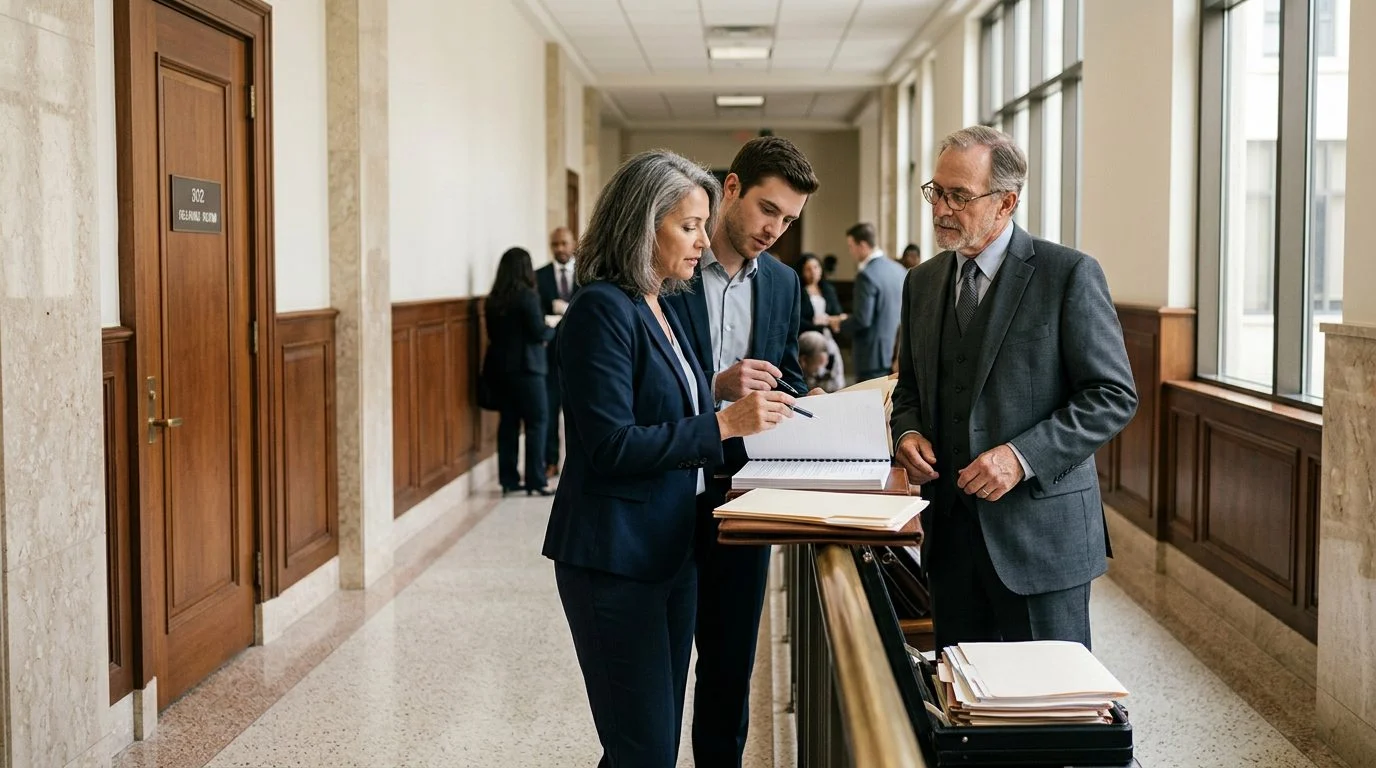
Will and trust challenges | Coral Gables, Florida
Concerned About a Will or Trust? Get Clear Answers From Trust Counsel
Heirs, beneficiaries and fiduciaries bring us questions about contested documents, unexpected exclusions and disputed administration.
By Leslie V. Marenco · Published November 8, 2026
If a will or trust has left you out, or someone now controls a loved one’s property, you may be asking what you can do. An heir dispute attorney in Florida can explain your options, but the deadlines are short, so the first step is knowing the clock.
Florida lets interested people challenge a will or trust on specific grounds. This guide covers who raises these disputes, the grounds they use, the deadlines, and how a typical case moves.
What an Heir Dispute Is and Who It Involves
An heir dispute is a disagreement over who receives property after a death. It usually ends up in a Florida probate or trust court, where a judge decides which document or family rule controls.
There are two main paths. In the first, the person left a will or trust, and someone challenges all or part of it. In the second, there is no valid will, and Florida’s intestacy rules decide the heirs. § 732.101 says property not effectively disposed of by will passes to heirs under the Probate Code.
Under the intestacy order, after any share passing to a surviving spouse under s. 732.102, descendants inherit first. If there are none, the decedent’s father and mother take equally, or the survivor of them does. If there are none of those, brothers and sisters and their descendants take. See § 732.103.
Children, stepchildren, siblings, and other relatives usually raise these disputes. Beneficiaries under an earlier document, and the trustee or personal representative named to run the estate, can be pulled in too.
You may be someone who was left out, someone who doubts a document, or a fiduciary facing a challenge.
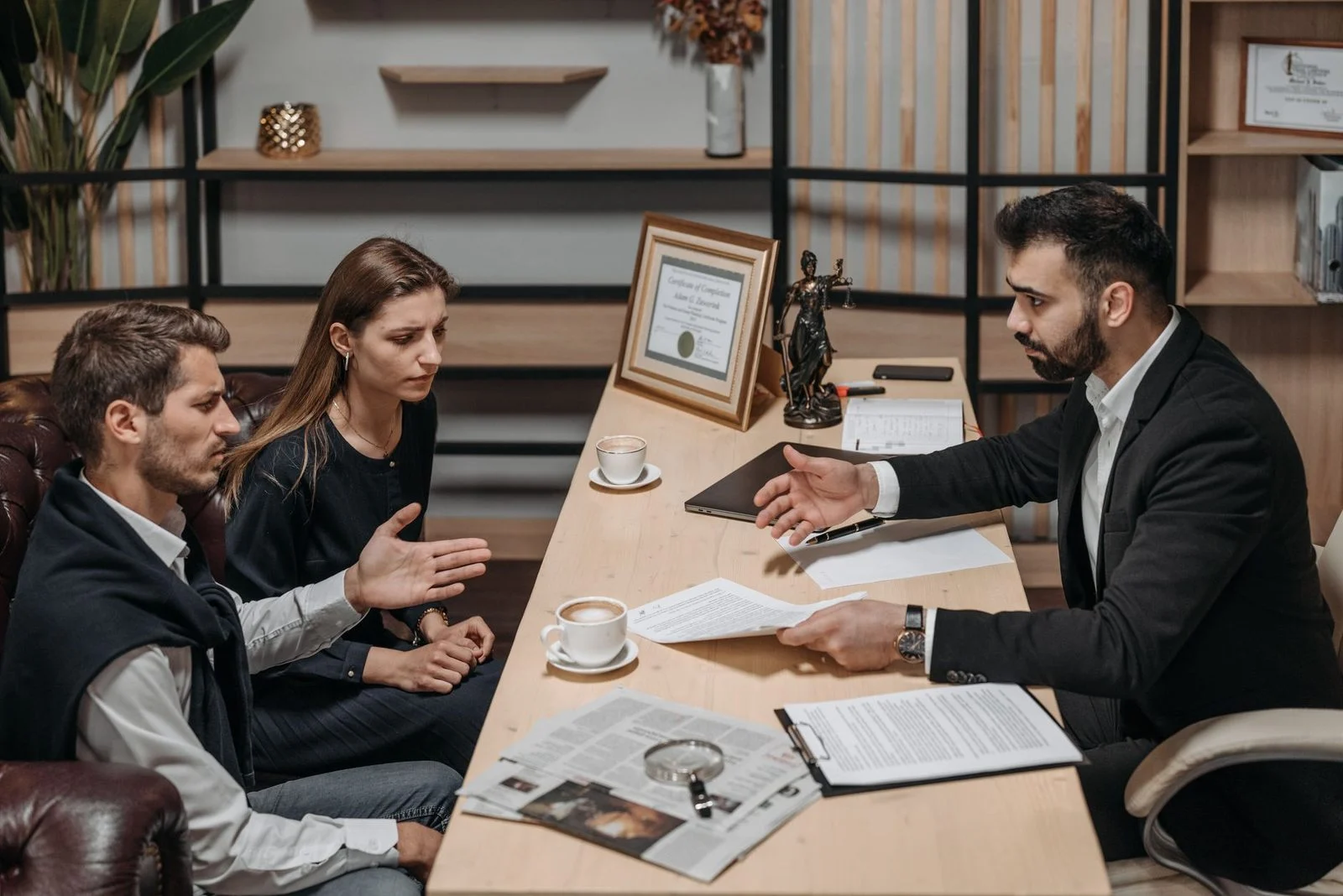
Not sure what your next step is?
Talk it through with our team — the first discovery call is free, confidential, and carries no obligation.
Common Grounds Relatives Raise to Challenge an Inheritance
Common grounds include improper signing, fraud or undue influence, lack of capacity, disputed family ties, and a competing document.
- Improper signing. A will must be in writing and signed at the end by the testator, or the testator’s name must be subscribed at the end by some other person in the testator’s presence and by the testator’s direction. Under Fla. Stat. § 732.502, the testator’s signing or acknowledgment must be in the presence of at least two attesting witnesses, and the attesting witnesses must sign the will in the presence of the testator and in the presence of each other. § 732.502
- Fraud, duress, mistake, or undue influence. A will is void if its execution was procured this way. If only part was procured this way, that part is void, and the rest can stand if it is valid for other reasons. § 732.5165
- Burden of proof. The person offering the will (the proponent) must first establish prima facie its formal execution and attestation. The challenger must then prove the grounds. In certain fiduciary or confidential relationships, a presumption of undue influence shifts the burden. § 733.107
- Capacity. Whether the person understood the document when signed turns on the facts of that moment. Medical records and witness accounts often matter.
- Disputed family ties. An adopted person generally counts as a descendant of the adopting parent, with listed exceptions. Fla. Stat. § 732.108 reads: “(1) For the purpose of intestate succession by or from an adopted person, the adopted person is a descendant of the adopting parent and is one of the natural kindred of all members of the adopting parent’s family, and is not a descendant of his or her natural parents, nor is he or she one of the kindred of any member of the natural parent’s family or any prior adoptive parent’s family, except that: (a) Adoption of a child by the spouse of a natural parent has no effect on the relationship between the child and the natural parent or the natural parent’s family.” Under Fla. Stat. § 732.108(2), a person born out of wedlock is a descendant of the mother and one of the natural kindred of the mother’s family. The person is also a descendant of the father, and one of the natural kindred of the father’s family, if the natural parents participated in a marriage ceremony before or after the birth, even though the attempted marriage is void; if the father’s paternity is established by an adjudication before or after his death; or if the father acknowledges paternity in writing. § 732.108
- A competing document. The dispute may turn on which will or trust controls and whether it was properly signed.
Each ground depends on the documents and the facts, and no one can predict a result from a summary.
Deadlines and Who Has the Right to Sue
For a will, the key clock starts when a notice of administration is served on you.
Under § 733.212, an interested person served with that notice must file an objection to the will’s validity, venue, or the court’s jurisdiction within 3 months after service. Otherwise, those objections are forever barred.
The 3-month period can be extended only for estoppel based on a misstatement by the personal representative about the deadline. It cannot be extended for failure to disclose information or for misconduct. Even then, the outer limit is the earlier of a final discharge order or 1 year after service.
Trust challenges run on their own clock. Under Fla. Stat. § 736.0604, an action to contest the validity of a trust that was revocable at the settlor’s death is barred, if not commenced within the earlier of: the time provided in chapter 95; or six months after the trustee sent the person a copy of the trust instrument and a notice informing the person of the trust’s existence, of the trustee’s name and address, and of the time allowed for commencing a proceeding.
A will contest cannot begin until the person who made the will has died. § 732.518
Check every date on any notice you receive.
Related Disputes That Often Arise With Heir Fights
Heir fights often bring up questions about how a fiduciary handled the estate or trust.
- Breach of fiduciary duty. A personal representative owes the same duty a trustee of an express trust owes. The representative is liable to interested persons for loss from a breach. In these actions, and in all actions challenging a personal representative’s exercise of, or failure to exercise, their powers, the court must award taxable costs, including attorney’s fees, as in chancery actions, and it has discretion to direct payment from a party’s interest, if any, in the estate, to enter a judgment that may be satisfied from the party’s other property, or both. § 733.609
- Removal. A personal representative can be removed for causes including wasting or maladministration of the estate, failing to account for property, and holding interests adverse to the estate. § 733.504
- Trust claims. Under Fla. Stat. § 736.1008(2), unless sooner barred by adjudication, consent, or limitations, a beneficiary’s breach-of-trust claim against a trustee over a matter adequately disclosed in a trust disclosure document is cut off if no proceeding to assert it is commenced within 6 months after the beneficiary receives, from the trustee or a trust director, that disclosure document or a limitation notice that applies to it, whichever is received later. § 736.1008
- Trustee conduct. Other claims involve trustees who fail to keep accounts or follow the trust’s terms.
Trust Counsel also handles probate litigation, trust litigation, and trust administration matters, which often overlap with these claims.
Have questions about what happened?
Ask our team directly. The first conversation is free, confidential, and there is no obligation to continue.
How a Florida Heir Dispute Typically Proceeds
A typical case starts with the documents, checks the deadlines, and goes to court only if the matter does not resolve.
- Document review. Gather the will or trust, any amendments, the death certificate, any notice received, and a family tree.
- Deadline check. Compare notice dates against the statutory periods discussed above.
- Preserving assets and records. Request accountings and records, and protect estate property while the question is open.
- Negotiation or mediation. Some files resolve through demand letters or mediation.
- Court filing. If needed, the case is filed in the proper Florida probate or circuit court, followed by discovery, depositions, and motions.
- Hearing or trial. Timing depends on the court calendar and the case’s complexity, and no result can be promised.
How Trust Counsel Handles These Matters
Trust Counsel, PL focuses on probate litigation and trust litigation, including will contests, trust contests, and heir disputes in Florida.
- The firm advises and represents trustees, personal representatives and beneficiaries.
- Trust Counsel’s attorneys can serve individually as trustee or personal representative.
- Leslie V. Marenco is the responsible lawyer for this page. The firm’s lawyers include Leslie V. Marenco and Tanya Vega.
- The firm’s only office is in Coral Gables. We serve clients in Fort Lauderdale, Boca Raton, West Palm Beach, Doral, Kendall, Pinecrest, Key Biscayne, and Aventura.
- A matter may be referred to another lawyer or firm where appropriate.
Frequently Asked Questions About Heir Disputes in Florida
Can I challenge a will if I was left out entirely?
Possibly. A challenge needs a recognized ground, such as improper signing or undue influence, and it must be filed within the deadlines.
What happens if there is no will?
Florida’s intestacy rules decide the heirs, starting with descendants, then parents, then siblings and their descendants.
Do I have to go to court?
Some disputes settle through negotiation or mediation. Others need a court filing.
Can a personal representative be removed?
Florida law lists causes for removal, such as wasting the estate or failing to account for property. A court decides removal based on the facts before it.
How much does a first discovery call cost?
The first discovery call is free, confidential, and carries no obligation to continue.

Talk to Trust Counsel About Your Situation
If a will or trust has left you uncertain, you may be facing a hard stretch. A parent may have died, a document may have arrived that surprised you, or a family member named to run the estate may now face a challenge. Call (305) 707-7126 or contact Trust Counsel online to book your first discovery call. The firm’s office is in Coral Gables.
Want to know where you stand?
Tell us what happened and our team will walk you through the options available to you, at no cost.
How Trust Counsel approaches heir disputes
Document review
We review the will, trust, amendments and signing history to identify the issues that matter in your situation.
Litigation focus
Our practice focuses on probate litigation and trust litigation, including challenges brought by heirs and beneficiaries.
Representation for every side
The firm advises and represents trustees, personal representatives and beneficiaries, so we understand how each role is affected by a dispute.
Clear communication
We explain the options, the likely steps and the costs involved so you can make informed decisions.
Before you sign or accept anything
If you have doubts about a will or trust, keep every document you have and avoid signing releases or accepting distributions until you have reviewed them with counsel.
Matters we handle in will and trust disputes
Probate litigation
Disputes over the validity of a will, the administration of an estate and the conduct of a personal representative (often called an executor).
Trust litigation
Contests involving the terms of a trust, a trustee's actions, accountings and beneficiary rights.
Trust administration
Guidance for trustees, personal representatives and beneficiaries as a trust or estate is administered. Trust Counsel's attorneys can serve individually as trustee or personal representative.
Guardianship
Legal support for families facing guardianship questions for a vulnerable adult or minor.
Florida and nearby communities
We serve clients in Fort Lauderdale, Boca Raton, West Palm Beach, Doral, Kendall, Pinecrest, Key Biscayne and Aventura, with our office in Coral Gables.