
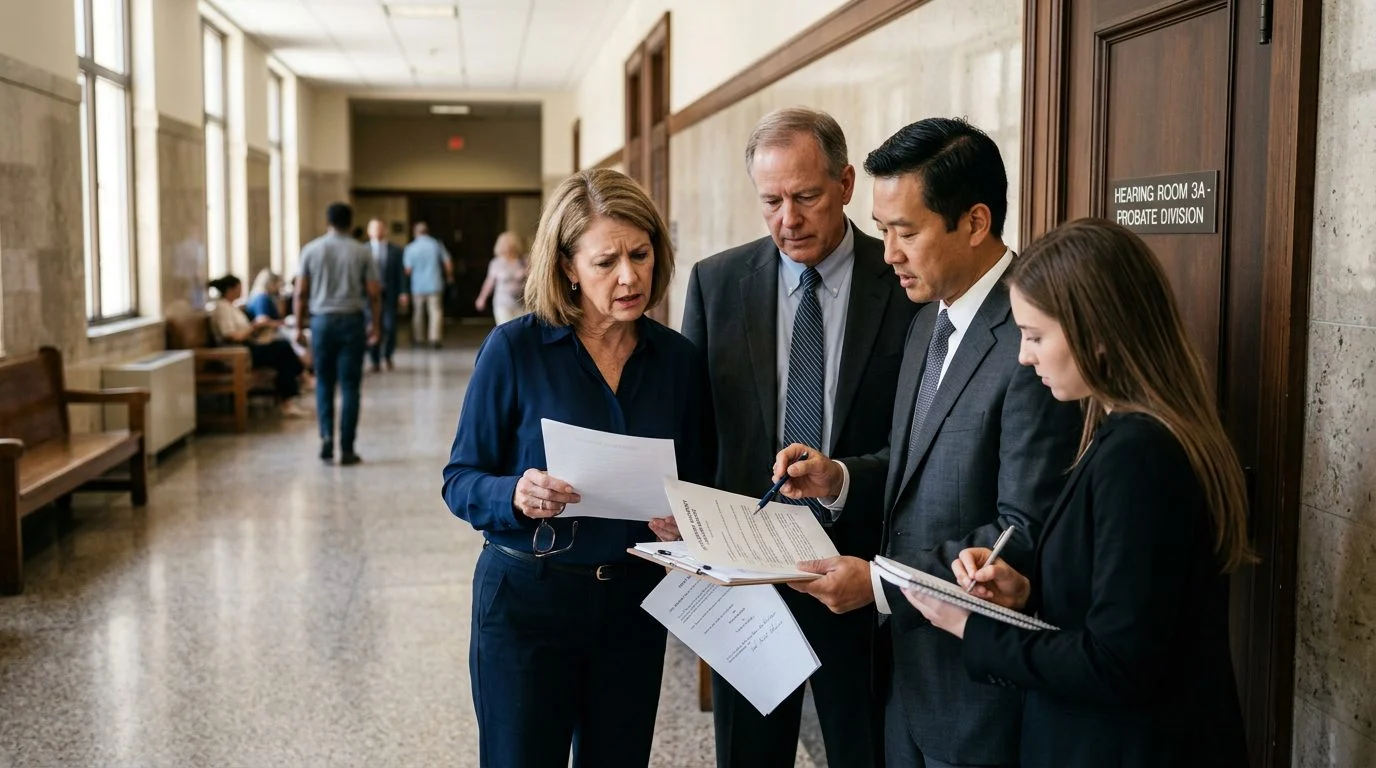
Trust Litigation | Coral Gables, Florida
Signed a Trust Amendment Under Pressure? Get Answers Before You Act
Trust Counsel, PL focuses on trust and probate disputes for beneficiaries, heirs and fiduciaries in Florida. Free first consultation, confidential, with no obligation to continue. Call (305) 707-7126.
How Trust Counsel, PL Can Help
Review the Signing
We look at the amendment itself, the surrounding documents and the circumstances under which it was signed.
Serving Beneficiaries and Family
The firm advises and represents trustees, personal representatives and beneficiaries when a family dispute involves a trust.
Protecting the Trust
Trust Counsel's attorneys can serve individually as trustee or personal representative, and the firm advises fiduciaries on how to handle challenged documents.
Confidential Conversations
Your first consultation is free, confidential and comes with no obligation to continue.
By Leslie V. Marenco · Published November 3, 2026
A trust amendment signed under duress in Florida can be void. Florida law voids the trust, or the part of it procured by fraud, duress, mistake, or undue influence. The rest can stay valid. This page explains how these claims work for a revocable trust, which evidence matters, and how the deadlines run. Leslie V. Marenco is the responsible lawyer for this page. Trust Counsel, PL is located in Coral Gables, Florida.
What a Trust Amendment Signed Under Pressure Means
A trust amendment signed under pressure is a written change the settlor did not freely choose. The settlor is the person who created the trust. Three ideas matter most:
- Duress means threats or force overcame the settlor’s will.
- Undue influence means another person took control of the settlor’s decisions, often through a position of trust.
- Fraud means the settlor signed because someone gave a false fact or made a promise never meant to be kept.
An ordinary change of mind is different. Florida law lets a settlor revoke or amend a revocable trust unless its terms say it is irrevocable.
This page is for adult children, other beneficiaries, heirs, and successor fiduciaries. It also helps family members who learned of a late change that favors one person. Often they learned of it when the settlor was ill, isolated, or had died.
If a parent or relative signed a trust change that surprised you, you may have a claim worth reviewing, and our team can talk it through with you. Talk it through with Trust Counsel, PL — the first consultation is free, confidential, and carries no obligation.
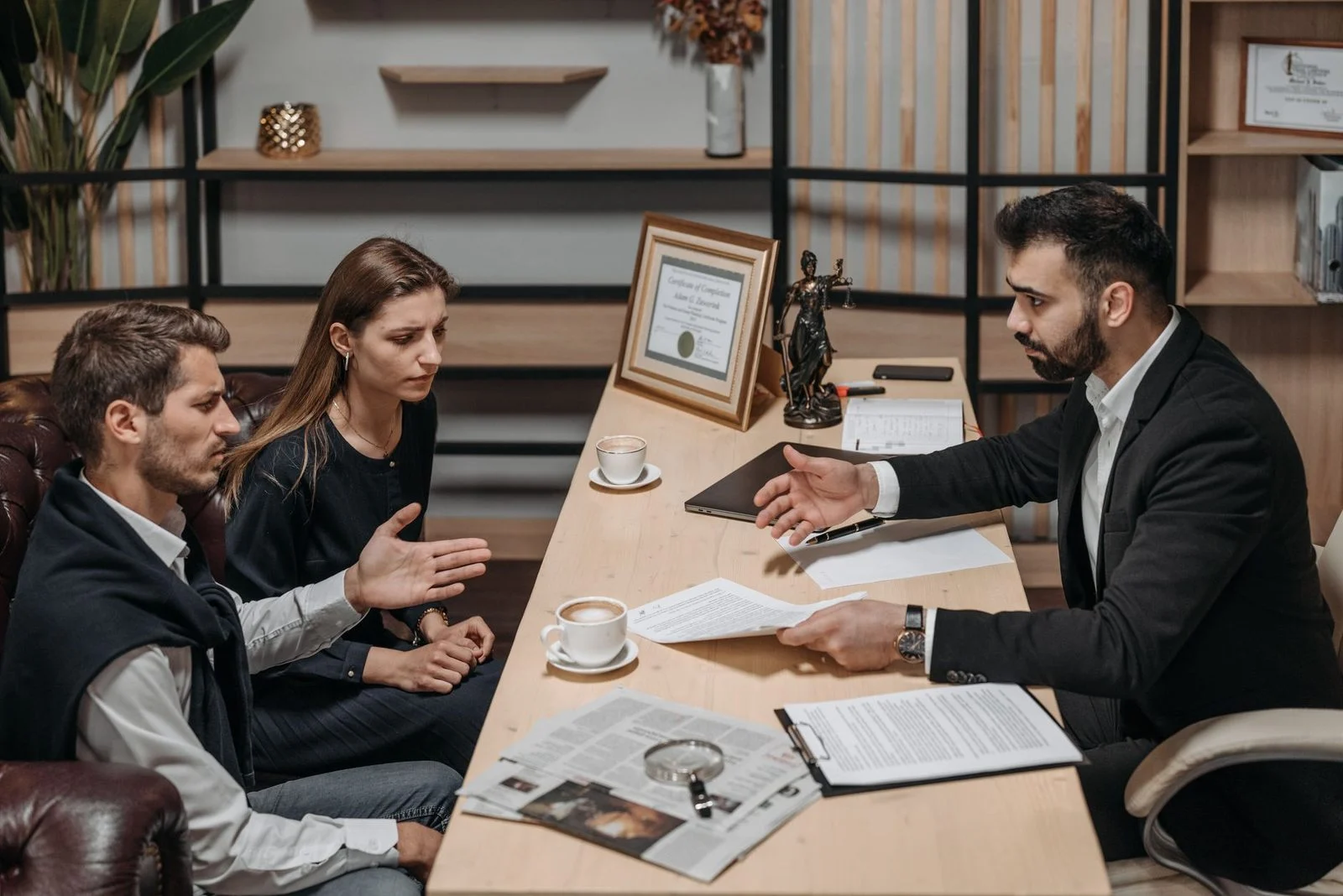
How Florida Law Treats an Amendment Made Under Duress, Undue Influence, or Fraud
Florida voids any part of a trust that was procured by fraud, duress, mistake, or undue influence. Fla. Stat. § 736.0406 The rest of the trust stays valid if it is not invalid for other reasons. The same rule applies to a revocation procured by those means.
An amendment must also follow the proper method. If the trust sets a method, the settlor must substantially follow it. If the trust sets none, a later will or codicil that refers to the trust can work. The capacity required to amend a revocable trust is the same as that required to make a will.
Pressure and undue influence cases turn on facts. Courts look at the settlor’s health, who was in the room, and how the new terms compare with earlier plans. A sudden change that cuts out a long-standing beneficiary often draws close attention.
Mistake is a separate claim. A court may reform a trust to match the settlor’s intent. That requires clear and convincing evidence of a mistake of fact or law that affected both the intent and the trust’s terms.
Warning Signs and the Evidence That Matters
The strongest challenges usually rest on dated records. Those records show who was involved when the change was signed. Common warning signs include:
- The amendment came near a hospital stay or a period of memory decline.
- The settlor was cut off from other family or friends.
- One person set up the meeting, drove the settlor, or stayed in the room.
- The new beneficiary chose or paid the drafting lawyer.
- The change came out of nowhere, against years of earlier plans.
These signs are reasons to look closer. They are not proof on their own.
Useful evidence often includes:
- Medical and care records, with dates
- Calendars, travel records, and who attended meetings
- Emails, texts, and voicemails about the change
- Earlier versions of the estate plan
- The drafting attorney’s file
Fraud is handled separately from pressure. If the settlor was told a false fact about a beneficiary or about what the amendment would do, that is a fraud question.
Who Has Standing and Which Claims Apply
Questions about a trust amendment are often raised by people who have an interest in the trust, and a trust litigation attorney can review the facts of a particular situation. The trust’s terms shape what they can ask a court to do. Common claims include:
- Asking the court to reform the trust to match the settlor’s earlier plan, if the clear and convincing standard is met.
- To remedy a breach of trust, the court may order a trustee to account, restore property, or impose a constructive trust on assets moved under the change. Under Fla. Stat. § 736.1016, a person other than a beneficiary who in good faith assists a trustee or who in good faith and for value deals with a trustee, without knowledge that the trustee is exceeding or improperly exercising the trustee’s powers, is protected from liability as if the trustee properly exercised the power. Fla. Stat. § 736.1001 lists these remedies. Fla. Stat. § 736.1001 lists these remedies.
Trust Counsel’s attorneys can serve individually as trustee or personal representative. The firm advises and represents trustees, personal representatives and beneficiaries.
Deadlines, Procedure, and How a Challenge Proceeds
A challenge to a revocable trust has strict time limits. The clock can start sooner than many people expect.
A typical challenge starts with records requests and a written preservation demand. Then a petition is filed in court. Florida circuit courts handle civil matters, as the Miami-Dade County Clerk of Courts explains. Discovery follows, with depositions of the drafter and other witnesses.
Many cases also consider mediation. The American Arbitration Association describes mediation as a process that may offer a faster resolution than litigation. Florida law also provides for court-ordered mediation in many civil actions for monetary damages. Mediation communications are exempt from public records rules.
Burden of Proof and Common Defenses
In a Florida will contest, § 733.107 places the burden on the proponent of the will to establish prima facie its formal execution and attestation, and thereafter the contestant has the burden of establishing the grounds on which probate of the will is opposed or revocation is sought.
Florida also has a presumption of undue influence. In transactions where it applies, the presumption shifts the burden of proof. Fla. Stat. § 733.107 This presumption applies in any transaction or event to which the presumption of undue influence applies, and it reflects public policy against abuse of fiduciary or confidential relationships. Applying it to a trust change takes careful analysis.
Expect these defenses:
- Capacity. The settlor had the mental capacity needed to amend the trust.
- Independent choice. The change reflected the settlor’s own decision.
- Ratification. Flaherty v. Flaherty This is a general rule, not an automatic result.
- Consent. A trustee isn’t liable for a breach the beneficiary consented to or released. The exceptions include consent induced by the trustee’s improper conduct.
- Late filing. The contest was not started within the time limits.
Plain examples help. A settlor who signs because a relative lied about a beneficiary may have been tricked into the change. A settlor who signs a document with different terms than were discussed may not have known what was signed. Each claim needs its own proof.
Not sure what your next step is?
Talk it through with Trust Counsel, PL — the first consultation is free, confidential, and carries no obligation.
Questions Readers Ask Before Taking Action
Most readers ask whether a challenge is still possible after the settlor dies. A challenge can be brought after death, but the time limits still apply.
Does pressure from a family member count?
It can. Concerns about undue influence sometimes arise when a family member is involved in a loved one’s estate planning decisions. The court reviews the relationship and the circumstances of the signing.
Must a trustee tell beneficiaries?
Yes. On reasonable request, the trustee must provide a complete copy.
How long does it take?
The timeline depends on the facts, the court’s calendar, the evidence, and whether the parties reach agreement in mediation.
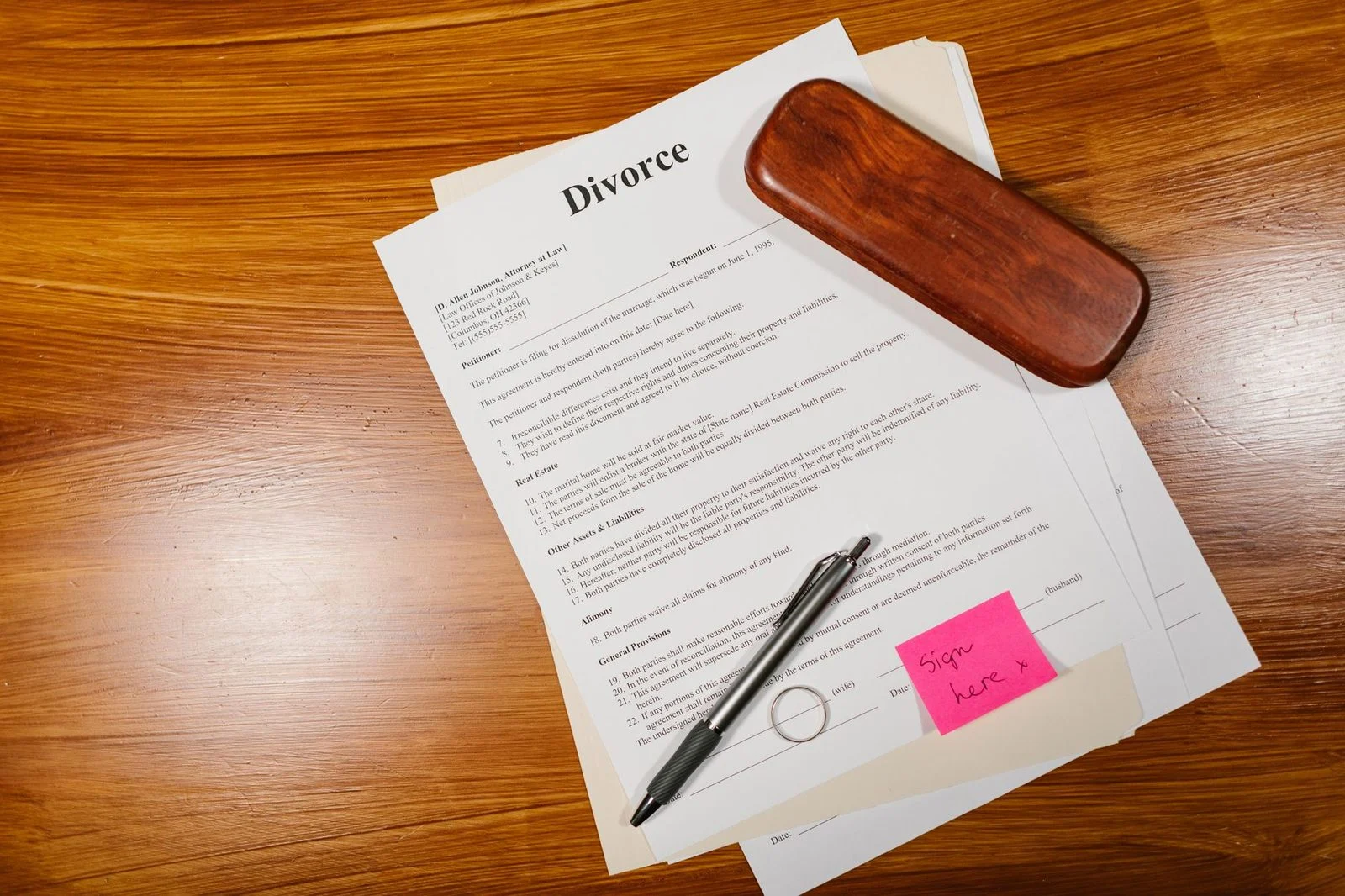
What a Free First Consultation Covers
The first consultation is free, confidential, and carries no obligation to continue.
Bring these items if you have them:
- The trust and every amendment
- The date you first learned of the change
- Medical or care records showing the settlor’s condition at the time
- Emails, texts, or letters about the change
- Earlier versions of the estate plan
In the meeting, the attorney reviews your timeline and evidence. The attorney flags possible deadlines and outlines your options, which can include mediation or litigation. Leslie V. Marenco is the responsible lawyer for this page. Tanya Vega is also a lawyer at the firm.
If a parent or relative signed a trust change that you didn’t expect, you may have a claim worth reviewing, and you don’t have to sort out the deadlines alone. Call (305) 707-7126 or schedule online to book your first consultation.
Before You Sign Anything Else
If you believe a trust amendment was signed under pressure, avoid signing further changes or making distributions based on it until you have spoken with a lawyer about the circumstances.
Questions Our Florida Clients Often Ask
Can a family member's pressure matter?
It can. Courts review the relationship and the circumstances of the signing when a trust amendment is challenged.
Who handles a trust dispute?
Trust Counsel, PL represents beneficiaries, heirs and fiduciaries in probate and trust litigation. Leslie V. Marenco is responsible for this page.
Where do you serve?
Our only office is in Coral Gables. We serve clients in Fort Lauderdale, Boca Raton, West Palm Beach, Doral, Kendall, Pinecrest, Key Biscayne and Aventura.
What does the first call involve?
A free first consultation that is confidential and comes with no obligation to continue. You can also schedule online.