
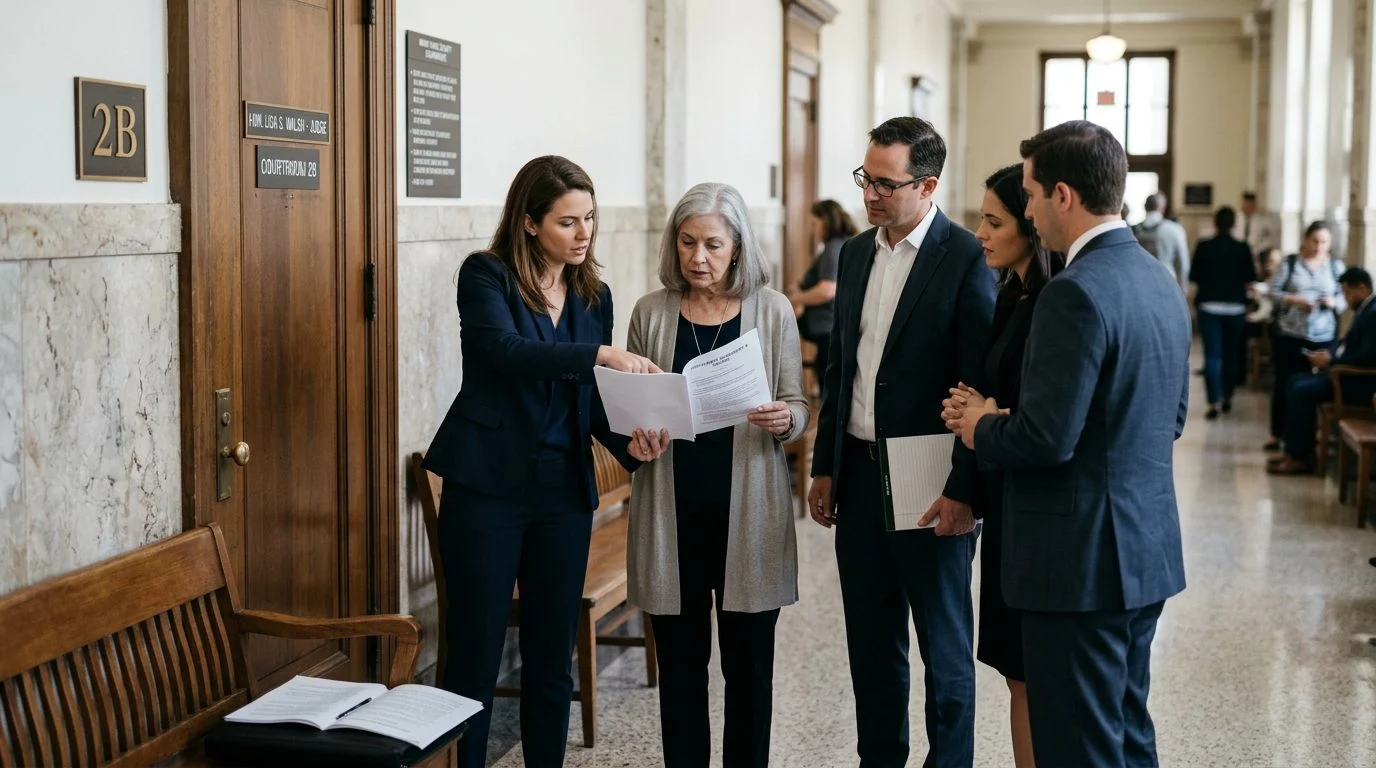
Trust and Estate Litigation | Coral Gables, Florida
Thinking About Contesting a Trust or Will in Florida?
Trust Counsel, PL focuses on probate and trust litigation for beneficiaries, heirs and fiduciaries. Our office is in Coral Gables, and we serve clients across South Florida. Start with a free, confidential first consultation.
By Leslie V. Marenco · Published October 30, 2026
Is it harder to contest a trust or a will? Neither is harder by default. The difference comes down to where the case is filed, how much notice the challenger gets, and how short the deadline runs.
This page is written by Leslie V. Marenco, the responsible lawyer for this page at Trust Counsel, PL. The firm’s only office is in Coral Gables. We serve clients in Florida, including Miami-Dade County.
The short answer: neither is automatically harder
Neither a will contest nor a trust contest is harder in every case. The challenge depends on how the document was set up, which grounds are raised, and what evidence exists. Three things most often change the difficulty. The first is where the case is filed. The second is the notice the reader receives. The third is how short the time to act is.
Some people assume a trust is harder to challenge because it stays private. Others assume a will is easier because it sits in a public court file. Both assumptions can lead to missed deadlines. The rules differ for each, and the clock can start before the reader has seen the document.
No one can promise how a contest will end. Each case turns on its own facts. The rest of this page explains how the two paths differ, so you know what to ask.
If a will or trust has left you with deadline questions after a loss, you don't have to sort them out alone. Trust Counsel can talk through your situation with you. Talk it through with Trust Counsel, PL — the first consultation is free, confidential, and carries no obligation.

How a will and a trust are set up differently
A will takes effect at death. In Florida, it usually goes through probate court, which creates a public court file that interested people can review. A trust is different. It is generally a private document that is not filed with the court when it is created. Many people do not learn it exists until a trustee contacts them.
A trust can also be revocable. The person who made it, called the settlor, can change or cancel a revocable trust while alive. A will cannot be challenged until the person who made it has died. § 732.518 Revocable trusts follow a different timing rule, explained below.
Florida uses the same capacity standard for both. Capacity to create, amend, or revoke a revocable trust is the same as the capacity needed to make a will. § 736.0601 The capacity required to create, amend, revoke, or add property to a revocable trust, or to direct the actions of the trustee of a revocable trust, is the same as that required to make a will. The firm advises and represents trustees, personal representatives and beneficiaries.
How a will contest works in Florida
A will contest is raised in the probate case, and the clock starts with notice. Once probate opens, the personal representative must promptly serve a notice of administration on known persons. These include the surviving spouse, beneficiaries, and persons who may be entitled to exempt property. § 733.212
Once served, the person has a short window. An objection to the will’s validity, the venue, or the court’s jurisdiction must be filed within 3 months after service. The window can be extended only for estoppel based on a misstatement by the personal representative about the deadline. Unless sooner barred by this subsection, all objections to the validity of a will, venue, or the jurisdiction of the court must be filed no later than the earlier of the entry of an order of final discharge of the personal representative or 1 year after service of the notice of administration (Fla. Stat. § 733.212). Otherwise, they are forever barred. § 733.212
For a will, the grounds include fraud, duress, mistake, or undue influence. A will procured that way is void. If only part was procured that way, that part is void, and the rest can stand if it is valid for other reasons. § 732.5165 For more on probate disputes, see the probate litigation attorney page.
How a trust contest works in Florida
Challenges to a trust raise fact-specific questions, and the answers depend on the trust document and the circumstances involved. The trustee’s notice duties often decide when a reader first learns about the trust. Within 60 days after the trustee acquires knowledge of the creation of an irrevocable trust, or that a formerly revocable trust has become irrevocable, the trustee must notify qualified beneficiaries. That notice covers the trust’s existence, the settlor’s identity, the right to request the trust instrument, and the right to accountings, and states that the fiduciary lawyer-client privilege in s. 90.5021 applies with respect to the trustee and any attorney employed by the trustee. § 736.0813 On reasonable request, the trustee must give a qualified beneficiary a complete copy of the trust. § 736.0813
Living trusts follow a special rule. An action to contest a revocable trust cannot start until the trust becomes irrevocable by its terms or by the settlor’s death. § 736.0207 The statute does not bar a guardian of an incapacitated settlor’s property from acting. So a worry about a living trust, while the maker is alive, does not mean you can file now.
After death, the clock is short. A challenge to a trust that was revocable at death is barred if not started within the earlier of the chapter 95 period or six months after the trustee sends a copy of the trust and a notice. § 736.0604 An action to contest the validity of a trust that was revocable at the settlor’s death is barred if not commenced within the earlier of the chapter 95 period or six months after the trustee sends the person a copy of the trust instrument and a notice. The Miami-Dade Clerk’s civil court page describes the county and circuit courts that hear civil matters, including property-title actions and injunctions.
Grounds and burden of proof: what decides either challenge
The main grounds are much the same for wills and trusts. Lack of capacity, undue influence, fraud, duress, and mistake are the common ones. A trust created, amended, or revoked through fraud, duress, mistake, or undue influence is void, or, if only part was procured that way, that part is void and the remainder stays valid if it is not invalid for other reasons. § 736.0406
Who must prove what depends on the document. When a will is challenged, the proponent (the person offering the will) must first show that it was formally executed and attested. A self-proving affidavit can do that. After that, the contestant must prove the grounds. § 733.107(1)
Undue influence has its own rule. The presumption of undue influence shifts the burden of proof. It applies only in the transactions where the law says it does, so the facts matter. § 733.107 In practice, the proof often takes the most time to gather. Medical records, drafting history, and witness accounts are common sources.
Can a sibling contest a trust, or someone who is not named in it?
Florida’s notice rules name the surviving spouse, beneficiaries, and persons who may be entitled to exempt property. The personal representative may also notify others who claim an interest. § 733.212 A sibling who may take under an earlier document has a different position than one with no stake.
A person left out of a will is not automatically barred from challenging it; however, under Fla. Stat. § 733.212(3), a person served with the notice of administration who does not file an objection, by petition or other pleading under the Florida Probate Rules, within 3 months after the date of service loses the right to challenge the will’s validity, venue or the court’s jurisdiction, unless that period is extended for estoppel based on a misstatement by the personal representative about the deadline. Whether they can depends on their relationship to the estate and the grounds they raise. An undue influence claim turns on different facts than a claim about how a document was signed.
Heirs and beneficiaries face similar questions about timing and evidence. The trust litigation attorney page covers how beneficiaries and heirs are treated in these disputes.
Not sure what your next step is?
Talk it through with Trust Counsel, PL — the first consultation is free, confidential, and carries no obligation.
Deadlines: why timing can decide the question
Florida sets short deadlines for both, and each starts from a different trigger. Under § 733.212(3), a will objection must be filed within 3 months after service of the notice of administration. § 733.212 The six-month limit in § 736.0604 applies only to a trust that was revocable at the settlor’s death: a challenge to such a trust must be filed by the earlier of the chapter 95 deadline or six months after the trustee sends the person the trust instrument and notice that the trust exists. Under § 736.0207, a revocable trust cannot be contested until it becomes irrevocable or the settlor dies, and the § 736.0604 limit does not govern contests of trusts that were already irrevocable. § 736.0604 This rule applies to a trust that was revocable at the settlor’s death. § 736.0604
Separate claims against a trustee for breach of trust follow other limits. Unless sooner barred by adjudication, consent, or limitations, a beneficiary is barred from bringing an action against a trustee for breach of trust with respect to a matter adequately disclosed in a trust disclosure document unless a proceeding to assert the claim is commenced within 6 months after receipt from the trustee or a trust director of that trust disclosure document or of a limitation notice that applies to it, whichever is received later (Fla. Stat. § 736.1008). § 736.1008 This is a different claim from a validity challenge, so don’t treat it as the same deadline.
The most common mistake is assuming more time exists because the document was private. In Florida, the clock can run from a notice you may not have read yet. For the duties a trustee owes once a trust is administered, see the trust administration attorney page.
What a successful challenge can lead to, and how assets are affected
A successful challenge can change who receives property. The result depends on the facts, the grounds, and the documents involved. If only part of a will was procured by improper means, that part is void, and the rest can stand. § 732.5165 provides that a will is void if its execution is procured by fraud, duress, mistake, or undue influence; any part of a will so procured is void, but the remainder stays valid if it is not invalid for other reasons. § 736.0406
Estate debts don’t disappear during a dispute. The personal representative pays expenses and obligations in a set order. § 733.707
Think about what a win would mean for the assets you care about. Ask how each asset is titled, which document controls it, and which class of claims could reach it.
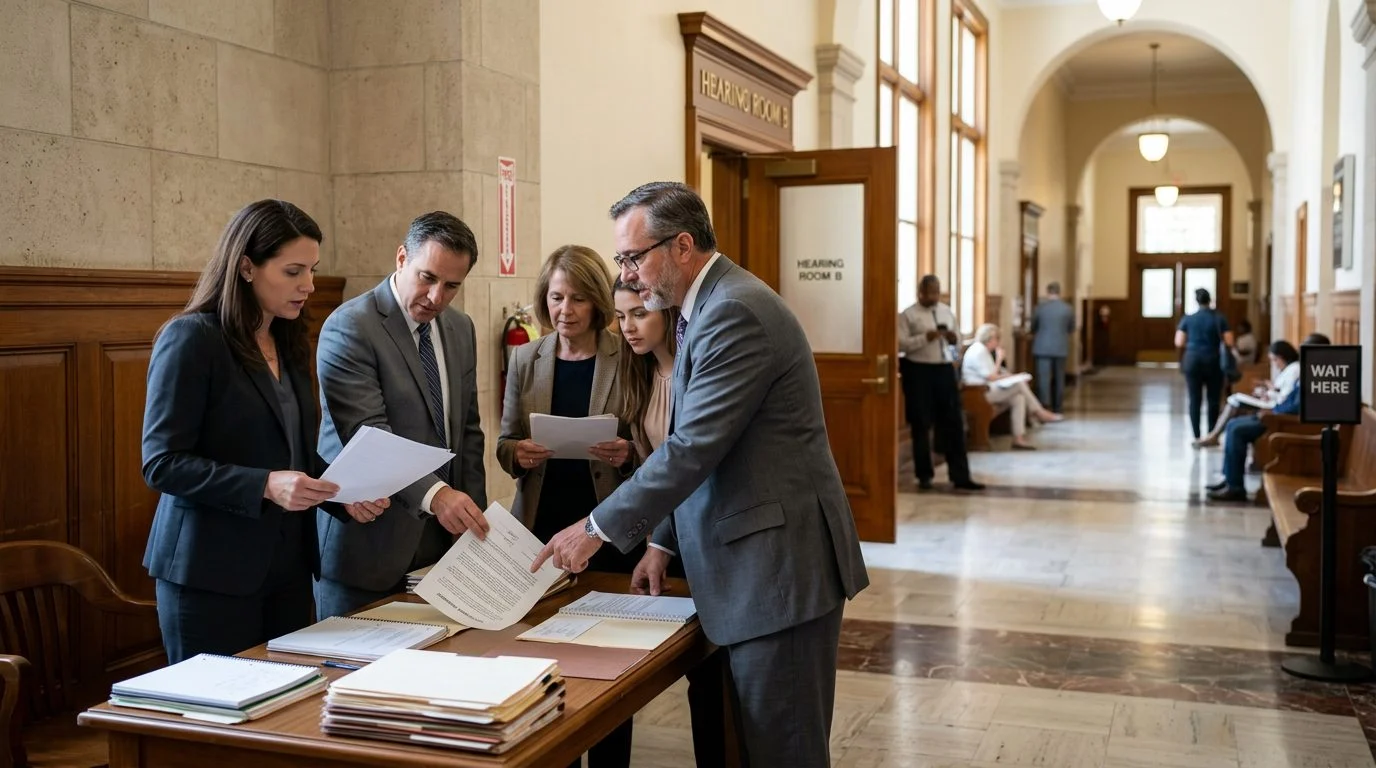
Talk with the firm about your situation
If you’re reading this while caring for a parent or sorting through a relative’s papers, you may not have time to study every rule. You don’t have to decide anything today. Whether to challenge is your decision.
Is it harder to contest a trust or a will?
Neither is harder by default. The filing court, the notice you receive, and the deadline decide much of the difference.
Can someone contest a will if they are not in it?
Notice must go to known beneficiaries, and the personal representative may also serve a copy of the notice on devisees under a known prior will, heirs, or others who claim an interest in the estate.
Can a living trust be contested while the settlor is alive?
Generally not. Under Florida law, a contest of a revocable trust waits until the trust becomes irrevocable or the settlor dies, unless the guardian of the property of an incapacitated settlor brings it. § 736.0207
If a will or trust in your family has raised questions about deadlines, Trust Counsel can review the document with you. Call (305) 707-7126 or schedule online. Our first consultation is free, confidential, and comes with no obligation to continue.
How Trust Counsel Can Help
Reviewing the Documents
We look at the will or trust, any amendments, and how the document was signed and stored.
Advising Every Side
The firm advises and represents trustees, personal representatives and beneficiaries in administration and disputes.
Clear Communication
You receive straightforward answers about the process, the likely steps and next actions before you decide anything.
Do Not Wait to Get Advice
Waiting can narrow your options. Gather the documents you already have and speak with an attorney early.
Common Questions About Contesting a Trust or Will
Who Can Challenge a Document?
Interested persons, such as beneficiaries, heirs and certain fiduciaries, may have a role in a challenge.
Trust Contest or Will Contest?
Trust disputes and will disputes can involve different courts, notice requirements and procedures. An attorney can explain which path fits your situation.
Common Grounds Raised
Challenges often raise questions about capacity, undue influence or how the document was executed. Each matter turns on its own facts and records.
Taking the Next Step
Book a free strategy call or schedule online to begin with a confidential first consultation.