

Trust Litigation & Trust Administration | Coral Gables, Florida
What Should Be Included in a Trust Accounting?
A clear checklist of what a Florida trust accounting should show, from the opening balance to the closing balance. Trust Counsel, PL is in Coral Gables, and attorney Leslie V. Marenco focuses on trust and estate matters.
By Leslie V. Marenco · Published October 18, 2026
If you’re asking what should be included in a trust accounting, the short answer is this. The report should show what the trust held at the start, every dollar that came in and went out, and what the trust still holds at the end. Florida law sets the core items. This checklist walks through each one, so you can test a report you already have.
What a trust accounting is and who is entitled to receive one
A trust accounting is a written report of what a trust held, received, paid out and still holds over a stated period. For an irrevocable trust, the trustee must give each qualified beneficiary an accounting at least once a year. The trustee must also give one when the trust ends or when the trustee changes (Fla. Stat. § 736.0813).
The duty goes further than the yearly report. The trustee must keep qualified beneficiaries reasonably informed about the trust and how it is run. On reasonable request, the trustee must give a complete copy of the trust instrument. You can ask for it in writing.
The report covers one period. That period starts on the date of the last accounting or, if there was none, the date the trustee became accountable (Fla. Stat. § 736.08135). The statute says the report must be “reasonably understandable.” That is a fair test for any report you receive.
Not sure what your next step is?
Talk it through with Trust Counsel, PL — the first consultation is free, confidential, and carries no obligation.

The opening inventory and starting values
The report should open by naming the trust, the trustee giving the report, and the time period it covers. Next, it should list every asset the trust held at the start of the period.
Fla. Stat. § 736.08135(2)(c) requires a trust accounting to list two values for each asset or class of assets on hand at the end of the accounting period that can reasonably be valued: its acquisition or carrying value and its estimated current value. The first is the acquisition or carrying value, which is what the trust recorded. The second is the estimated current value. Each known debt should appear too, with its estimated current amount if known (Fla. Stat. § 736.08135).
Treat this as a starting photograph. Compare it with the last report. If the old closing balance doesn’t match the new opening inventory, ask why. Real estate, brokerage accounts and business interests often move into a trust, so their entries deserve a close look. An asset that could be valued but shows no value is a gap.
Receipts: income and principal
Every receipt should appear on the report, with its source and date. Each one should also be sorted as income or principal, because Florida law treats those two buckets differently.
Florida law requires a fiduciary to allocate certain assets to principal. These include assets received from an individual during the individual’s lifetime, from an estate, and from a trust on termination of an income interest. Money from the sale or change in form of a principal asset also goes to principal (Fla. Stat. § 738.404).
The report must also show how receipts and disbursements split between income and principal, when that split affects a beneficiary’s interest. It must show gains and losses realized in the period (Fla. Stat. § 736.08135).
Watch for unexplained deposits. Check each receipt against a bank or custodian statement. If the report shows a sale, it should show the proceeds and where they went.
Disbursements, distributions and trustee compensation
Every payment out must be listed. That includes payments to the trustee and to the trustee’s agents, along with distributions to beneficiaries.
For each payment, show the payee, date, amount and purpose. Keep distributions separate from expenses. A beneficiary needs to see what went to them and what went to upkeep.
Trustee pay follows its own rules. If the trust terms don’t set the trustee’s compensation, the trustee gets compensation that is reasonable under the circumstances.
Florida also says half of the trustee’s regular compensation comes from income, to the extent income is enough (Fla. Stat. § 738.501). The report should show which account paid it.
Assets held at the end of the period and reconciliation
The report should end with a schedule of what the trust still holds. Each asset should show its estimated current value as of the close of the period (Fla. Stat. § 736.08135).
Assets sold, moved to a new custodian, or distributed during the period should appear too, to the extent feasible. The statute names changes such as a change of custodial institution and stock splits.
Reconciliation is simple math. Start with the opening inventory. Add receipts. Subtract disbursements. The result should equal the ending balance, and each cash figure should match a bank or custodian statement.
If a difference appears, even a small one, the trustee should explain it in writing. A gap that has been quietly absorbed is worth raising. For a final accounting, the report must include a plan of distribution for any undistributed assets (Fla. Stat. § 736.08135).
Tax reporting for the trust
A trust’s income tax return is the fiduciary’s job. The accounting should describe income the same way the return does.
Federal law generally computes a trust’s taxable income in the same manner as an individual’s, except as otherwise provided (IRC § 641(b)), but the tax itself is figured under a separate, compressed rate schedule for trusts.
An accounting is not a tax return. Still, the income sorting in the accounting should match the trust’s tax records. If the two disagree, ask the trustee in writing to explain why. The tax result depends on the facts for each year.
Not sure what your next step is?
Talk it through with Trust Counsel, PL — the first consultation is free, confidential, and carries no obligation.
Supporting records and common gaps
Every entry should trace back to a record. The trustee must keep clear, distinct and accurate records of the trust’s administration. The trustee must also keep trust property separate from the trustee’s own (Fla. Stat. § 736.0810).
Look for bank and custodian statements, an invoice for each payment, deeds, appraisals, and letters about major decisions.
Common gaps a reader can check:
- Missing statements for some months or quarters.
- Deposits the report never classifies.
- Payments with no invoice or stated purpose.
- Changes in value with no explanation.
Ask the trustee in writing which accounting basis was used. Then ask whether the same basis was used in every period. A consistent method makes one year comparable to the next.
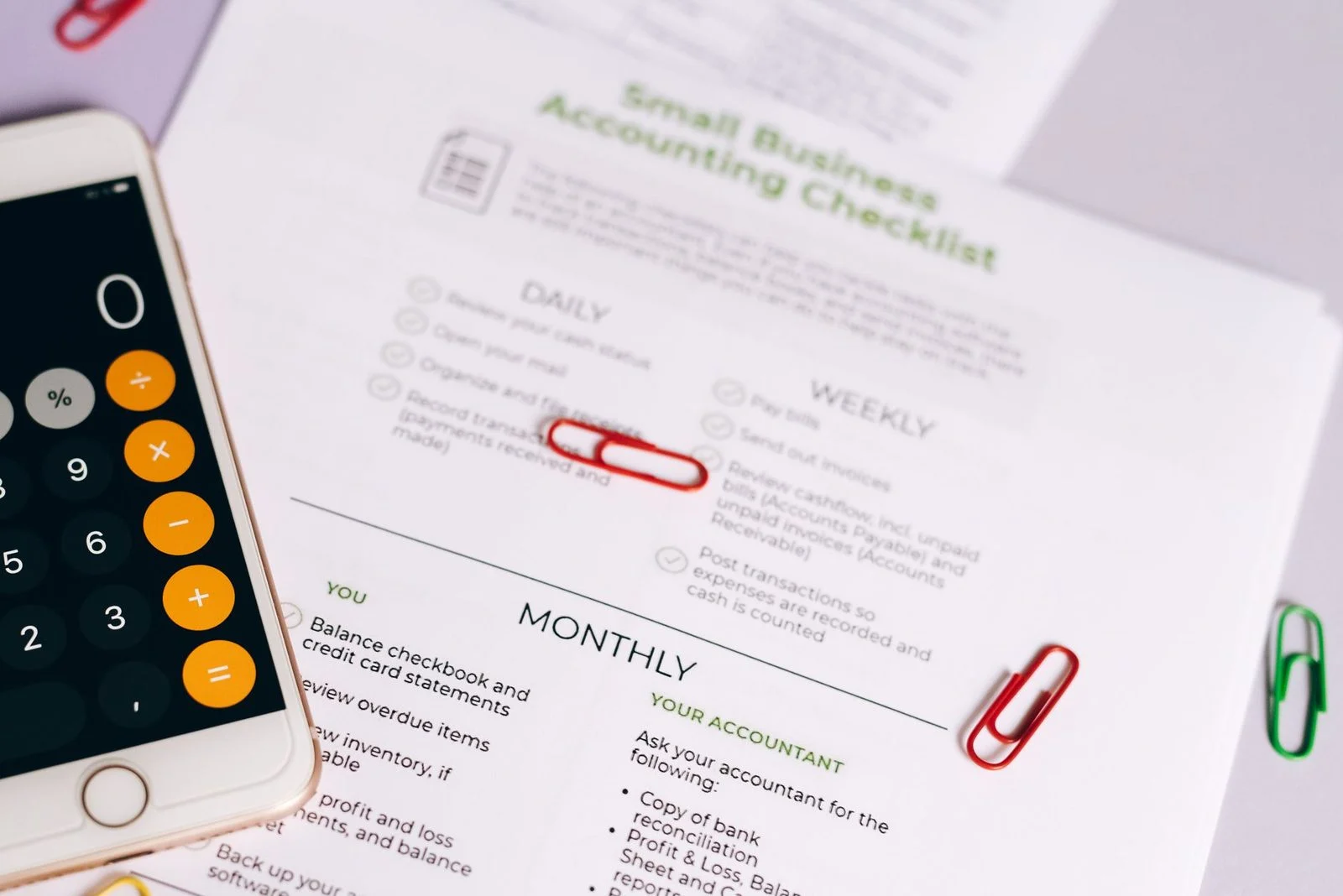
When the accounting raises questions or you are preparing one
A written request often clears up a missing item. Serious gaps may need a court. A breach of trust is a violation by the trustee of a duty owed to a beneficiary (Fla. Stat. § 736.1001).
Start by asking in writing for the trust instrument and for the asset and administration details. If those requests don’t resolve the problem, the court has remedies.
Timing rules can apply to newer trusts.
What should be included in a trust accounting?
A complete report shows the trust’s identity and period, the opening inventory, all receipts and payments, the income and principal split, a valued ending schedule, and a reconciliation.
Is a trustee required to give beneficiaries a trust accounting in Florida?
Does a trust have to file its own tax return?
If a trust report has left you with questions, or you must prepare the first accounting after a death or incapacity, you don’t have to sort it out alone. Trust Counsel, PL is in Coral Gables, Florida. Trust Counsel’s attorneys can serve individually as trustee or personal representative. The firm advises and represents trustees, personal representatives and beneficiaries. Leslie V. Marenco is the lawyer responsible for this page. Your first consultation is free, confidential and carries no obligation to continue. Call (305) 707-7126 or request a consultation.
Why a complete trust accounting matters
A full financial picture
A complete accounting shows what the trust held, what came in, what went out and what remains, so every party can review the same numbers.
Easier review
When each transaction is listed and supported, questions about a payment or a missing asset can be answered from the record.
Support for fiduciary decisions
A clear accounting helps trustees and personal representatives show how they managed trust property and why each disbursement was made.
Clarity for beneficiaries
Beneficiaries and heirs can follow the trust's activity over the reporting period instead of reconstructing it from scattered statements.
Core items to check in any trust accounting
Opening balance
The assets and cash the trust held at the start of the reporting period, described with enough detail to identify each item.
Receipts and income
Every dollar that came into the trust, including interest, dividends, rents, sale proceeds and contributions, with its source and date.
Disbursements and expenses
Every payment out of the trust, including distributions, fees, taxes and administrative costs, with the payee, purpose and date.
Closing balance
What the trust still holds at the end of the period, reconciled against the opening balance plus receipts minus disbursements.
Do not rely on a report that does not add up
If the opening balance, receipts, disbursements and closing balance do not reconcile, or if transactions are described only as lump sums, ask for the supporting detail before accepting the report. Missing or unexplained entries are often the first place a dispute begins.