
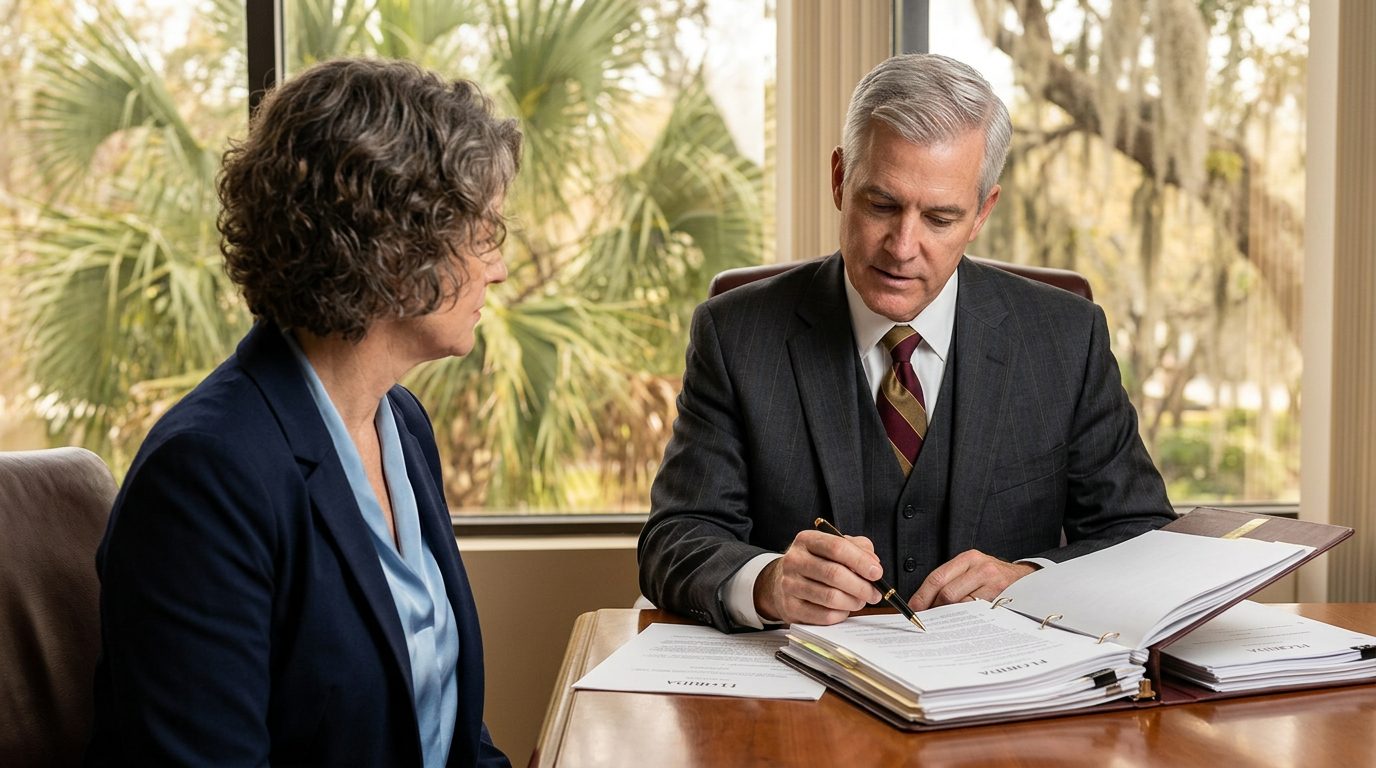
Wills and Trusts | Coral Gables, Florida
Which Florida Lawyer Handles Your Will or Trust Matter?
Drafting, administration and litigation each call for a different kind of attorney. Trust Counsel, PL, a Coral Gables firm, focuses on trusts and estates matters for beneficiaries, heirs and fiduciaries.
Marenco · Published October 15, 2026
If you’re asking what type of lawyer deals with trusts and wills, the short answer is an estate planning attorney for drafting. Trust administration, probate and trust litigation attorneys often handle matters that come up after a death or during a dispute. Which lawyer fits depends on the governing instrument, applicable Florida law and the facts of each case. This guide explains how those roles differ. Trust Counsel, PL is a Coral Gables firm that focuses on trusts and estates matters for beneficiaries, heirs and fiduciaries.
Which lawyer handles wills and trusts?
Depending on the governing instrument, applicable Florida law and the facts of each case, estate planning attorneys may draft wills and trusts, and trusts and estates lawyers may advise on matters that arise later. The right practice area depends on the governing instrument, the family’s goals and applicable Florida law. Trust Counsel’s practice areas include estate planning, trust administration, probate litigation, trust litigation, guardianship, and business succession, estate tax and asset protection planning. Each area answers a different question. Drafting asks what a person wants to happen. Administration asks how a trust or estate is carried out. Litigation asks what to do when people disagree about the result. Depending on the governing instrument, applicable Florida law and the facts of each case, a family may need more than one of these, and a first conversation may help show which ones could apply.
If you're reviewing a parent's trust after a death, or weighing how your own will should change, you don't have to sort out the right lawyer alone. Talk it through with Trust Counsel, PL — the first consultation is free, confidential, and carries no obligation.
Estate planning attorneys: drafting wills and trusts
An estate planning attorney helps a person decide who receives property and who acts for them, usually through a will, a trust or both. How Florida law applies to these questions depends on the governing instrument and the facts of each case. Under Fla. Stat. § 732.501, any person of sound mind who is either 18 or more years of age or an emancipated minor may make a will. Under Fla. Stat. § 732.502, the formalities for executing a will are set out in the statute and depend on applicable law and the facts of each case, including any exceptions or alternative rules the statute provides. A trust may be created in several ways. Depending on the governing instrument and applicable Florida law, a trust may be created in more than one way, one of which may involve transferring property to a trustee during the settlor’s lifetime, under Fla. Stat. § 736.0401. For a revocable trust, the capacity needed is the same as the capacity needed to make a will, under Fla. Stat. § 736.0601. Attorneys also review powers of attorney. Under Fla. Stat. § 709.2104, a power of attorney is durable if it contains the statutory words or similar words showing the principal intends it to continue after incapacity. Planning goals may include naming a successor trustee or planning for minor beneficiaries. What is possible depends on the document and Florida law. Estate tax, asset protection and business succession planning are separate areas, and Leslie V. Marenco, the firm’s attorney, may consider those issues as part of the drafting work, depending on the governing instrument, applicable law and the facts of each case.
Trust administration and probate: what happens after a death
After a death, the work often moves into probate or trust administration. Which path applies depends on how the property was held and what the documents say. Under Fla. Stat. § 733.602, a personal representative (often called an executor) is a fiduciary who observes the standards of care applicable to trustees. That role also involves settling and distributing the estate under the will and the Probate Code. How far those duties reach depends on the will, court orders and applicable law. Under Fla. Stat. § 736.0801, a trustee who accepts the role administers the trust in good faith, consistent with the trust’s terms and the interests of the beneficiaries. The details depend on the trust instrument and Florida law.
Leslie V. Marenco, the firm’s attorney, can serve individually as trustee or personal representative, depending on the governing instrument and applicable Florida law. The firm advises and represents trustees, personal representatives and beneficiaries. The firm itself does not serve as trustee or personal representative. Compensation is also tied to the documents. If a trust does not set a trustee’s pay, Fla. Stat. § 736.0708 may provide for reasonable compensation under the circumstances, depending on the governing instrument, any court order, applicable Florida law and the facts of each case; compensation may also be subject to adjustment as the statute provides. Personal representative compensation is governed by Fla. Stat. § 733.617 and the terms of the will.
For related reading, see the probate litigation attorney page. A will contest is a separate question. Under Fla. Stat. § 732.518, an action to contest a will may not be started before the testator dies.
Which type of lawyer is the right fit for a trust?
The right fit depends on what you need: drafting, administration, a dispute resolved, or planning for business or tax issues. There’s no single answer for every family. Depending on the governing instrument, applicable law and the facts of each case, estate planning attorneys may help set up a trust and its documents. Trust administration attorneys may help a trustee carry out the trust’s terms after the settlor’s death, subject to the trust instrument and Florida law. Trust litigation attorneys may advise or represent a trustee or beneficiary when a disagreement about the trust becomes a legal dispute. Probate litigation works in a similar way for disputes about an estate. Not every disagreement in administration leads to litigation, and the facts decide which steps make sense.
A professional fiduciary may help with recordkeeping and day-to-day tasks, subject to the governing instrument and applicable Florida law. Florida trust company rules describe which entities may provide fiduciary services. A professional fiduciary does not replace advice about your own documents. Depending on the facts of each case, a family may begin by asking a lawyer which document, if any, may need attention first.
Who legally owns property held in a trust?
The answer depends on the trust instrument, how each asset is titled and Florida law. A trust instrument is generally the document a settlor signs to set out the trust’s terms, and how it applies depends on the document itself and applicable Florida law. In a trust, a settlor is generally the person who creates the trust or contributes property to it; how the term applies depends on the governing instrument, applicable Florida law and the facts of each case. Depending on the governing trust instrument, applicable Florida law and the facts of each case, a beneficiary may hold a present or future beneficial interest in a trust, which may be vested or contingent; certain powers of appointment may also be involved. The term ‘trustee’ may include an original, additional, surviving or successor trustee, depending on the trust instrument and applicable Florida law.
Ownership questions often turn on how a deed, bank account or other title was written. Who holds legal title and who holds the beneficial interest can differ from one asset to the next. A review of the actual documents is usually needed before anyone can answer for a specific trust. Florida law and the facts of each case may change the result. Questions about a trust’s assets should go to a lawyer who reviews the documents directly.
How fees are set and what to share with a lawyer
Fees are agreed between client and attorney according to the scope of work. Drafting a will, administering a trust and handling a dispute involve different work, so each scope is different. The facts also matter, including the number of documents, assets and people involved. Fees are agreed between the client and the attorney according to the scope of work.
Information that may help at a first meeting includes your existing will and trust, a list of assets and debts, the names of beneficiaries and any fiduciaries, and any powers of attorney. Dates of key events can also help. A lawyer needs complete facts to explain possible options. Trustee and personal representative compensation depends on the documents and the statutes cited above, not on a fixed amount.
Talk it through with Trust Counsel, PL — the first consultation is free, confidential, and carries no obligation.

Talk with Trust Counsel about your situation
Answering what type of lawyer deals with trusts and wills starts with the documents and facts you already have. If you’re reviewing a parent’s trust after a death, or weighing how your own will should change, you don’t have to sort out the right lawyer alone. Trust Counsel, PL offers a free first consultation, which is confidential and carries no obligation to continue. You can call (305) 707-7126 or schedule online at Trust Counsel contact page. Our only office is in Coral Gables, and we serve clients in Miami-Dade, Broward and Palm Beach counties.
Common Roles in Wills and Trust Matters
Estate planning attorney
Focuses on drafting wills and trusts and planning how assets may pass. The scope of the work depends on the client's goals and applicable Florida law.
Trust administration attorney
Advises trustees and personal representatives on administering a trust or estate. The duties involved depend on the governing instrument and applicable law.
Probate litigation attorney
Advises clients on disputes that may arise in probate court, such as challenges to an estate's administration. Outcomes depend on the facts of each case.
Trust litigation attorney
Advises beneficiaries, trustees and other parties in disputes involving a trust. Rights and remedies depend on the trust instrument, applicable Florida law and the facts.
Guardianship attorney
Advises families on guardianship matters for individuals who may need court-supervised protection. The process depends on applicable law and the circumstances involved.
Estate tax, asset protection and succession attorney
Focuses on estate tax planning, asset protection and business succession for owners and high-net-worth families, subject to the governing documents and applicable law.
What to Consider When Choosing a Lawyer
Start with the governing instrument
The will, trust or other governing document often shapes which kind of attorney may be needed and what work may be involved.
Consider the facts
Each situation differs. The right type of lawyer may depend on the assets, relationships and questions involved.
Identify your role
Whether you are a beneficiary, heir, trustee or personal representative can affect which issues are relevant to you.
Ask about the scope of work
A consultation can help clarify the likely scope of work. Fees are agreed between client and attorney according to the scope of work.
A Note on Overlapping Roles
A single matter may involve more than one kind of lawyer, such as drafting, administration and litigation. Which roles apply depends on the governing instrument, applicable Florida law and the facts of each case.