

Probate Litigation | Coral Gables, Florida
Probate litigation in Coral Gables, handled with clear, careful counsel
Trust Counsel, PL focuses on contested probate matters for beneficiaries, heirs and fiduciaries. Your first consultation is free, confidential and comes with no obligation to continue.
By Leslie V. Marenco · Published October 17, 2026
Probate Litigation Attorney in Coral Gables | Trust Counsel
Probate litigation is court work that resolves a dispute over a decedent’s estate, a trust or a fiduciary’s conduct. Trust Counsel, PL is a probate litigation law firm in Coral Gables that focuses on trust and estate disputes. We serve clients in Fort Lauderdale. This page explains what the work covers, the disputes that lead to it, the steps and deadlines involved, and how fees are described.
Not sure what your next step is?
Talk it through with Trust Counsel, PL — the first consultation is free, confidential, and carries no obligation.
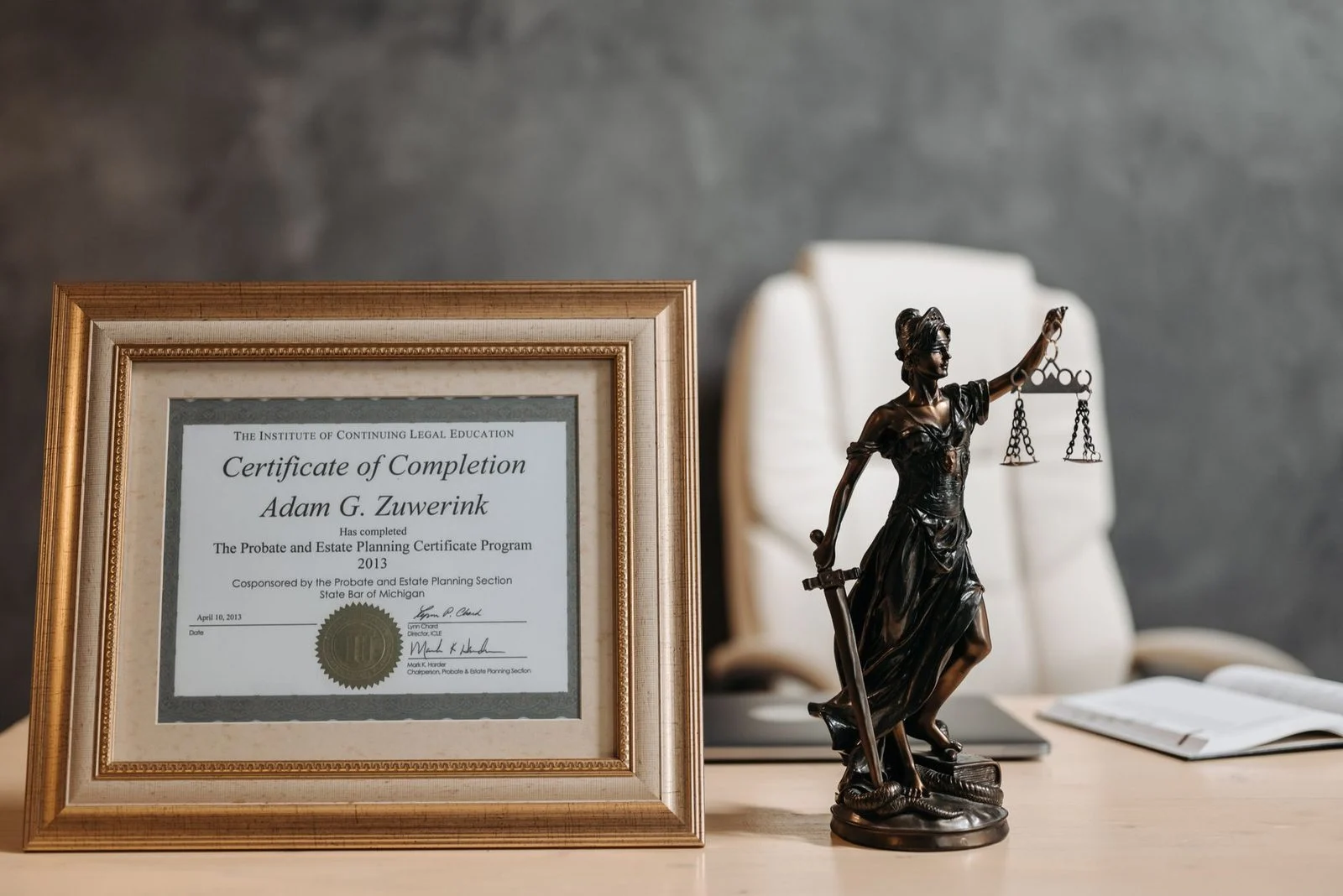
What Probate Litigation Covers for Fort Lauderdale Families
Probate litigation is the court side of estate work. It handles disputes that routine administration can’t settle on its own.
Routine administration moves through paperwork and filings. A dispute changes that. When heirs, beneficiaries, trustees or creditors disagree, the matter can end up in court. The ACTEC estate settlement guide explains that disputes among beneficiaries, family members or creditors can lead to court involvement.
A probate litigator represents one side of the dispute. That may mean a beneficiary challenging a fiduciary, a trustee defending a decision, or an heir protecting a share. Trust Counsel’s attorneys can serve individually as trustee or personal representative. The firm advises and represents trustees, personal representatives and beneficiaries.
Common Disputes That Lead to Probate Litigation
Most matters start with a dispute over a will, a trust, a fiduciary’s conduct or a claim against the estate.
- Will validity. Under Fla. Stat. § 732.5165, a will is void if its execution was procured by fraud, duress, mistake or undue influence. Only the affected part is void if the rest is not invalid for other reasons.
- Burden of proof. Under Fla. Stat. § 733.107, the will’s proponent must first establish its formal execution and attestation. The person contesting the will then must prove the grounds for opposing probate. The undue influence presumption shifts the burden of proof in transactions involving a fiduciary or confidential relationship.
- Breach of fiduciary duty. Under Fla. Stat. § 733.609, a personal representative’s duty is the same as a trustee’s. A personal representative is liable to interested persons for loss caused by a breach.
- Inventories and accountings. Under Fla. Stat. § 733.604, a personal representative must file a verified inventory. A trustee has duties to keep qualified beneficiaries reasonably informed and to account to them, subject to exceptions under Florida law.
- Creditor claims. Under Fla. Stat. § 733.705, the personal representative must pay claims within 1 year after first publication of notice to creditors. The time is extended for claims in litigation.
How a Probate Litigation Matter Works, Step by Step
A matter usually moves through five stages. Deadlines run alongside them, so start early.
- First consultation. You describe the dispute, the people involved and the documents you have.
- Document review. The attorney reviews the will, trust instruments, accountings, beneficiary designations and court filings.
- Options. Paths can include a demand letter, negotiation, mediation or court action. You decide how to proceed.
- Court steps. Filings follow the Florida court that handles the matter. The timeline varies with the court and the facts.
- Resolution. The matter ends with settlement terms, a court order or the distribution of assets.
Deadlines come first in most disputes. Under Fla. Stat. § 733.212, an interested person served with a notice of administration must object to a will’s validity within 3 months after service. The period can be extended only for estoppel based on a misstatement by the personal representative.
For a trust that was revocable at the settlor’s death, Fla. Stat. § 736.0604 bars a contest not commenced within the earlier of the chapter 95 period or six months after the trustee sends a copy of the trust instrument and a required notice.
How Probate Litigation Fees Are Described
Fees come up at the first consultation, before you decide whether to continue.
The firm offers a free first consultation, which is confidential and carries no obligation to continue.
Under Fla. Stat. § 733.617, a personal representative may take a commission from estate assets without court order for ordinary services. The commission is based on the compensable value of the probate estate.
Other costs can apply, such as court filing fees and fees for outside professionals who review records. Ask how fees and costs are billed at the first consultation.
Why Work With Trust Counsel for a Fort Lauderdale Probate Dispute
Trust Counsel, PL is a probate litigation law firm that focuses on trust and estate disputes from its Coral Gables office. It serves clients in Fort Lauderdale.
- One office. The firm’s only office is in Coral Gables.
- The attorney. Leslie V. Marenco is the attorney responsible for this page. Support staff assist with case organization and client communication.
- Both sides of disputes. The firm advises and represents trustees, personal representatives and beneficiaries. The work covers heirs, beneficiaries and fiduciaries alike.
- Fiduciary roles. Trust Counsel’s attorneys can serve individually as trustee or personal representative.
- Focus. The firm concentrates in trust and estate litigation. It also handles trust administration and guardianship matters.
Each matter turns on its own documents and facts. The first review is where those facts get sorted out.
Not sure what your next step is?
Talk it through with Trust Counsel, PL — the first consultation is free, confidential, and carries no obligation.
Frequently Asked Questions About Probate Litigation in Florida
Short answers to common questions about probate litigation.
What is a probate litigator?
A probate litigator is a lawyer who handles contested matters in probate and trust cases. Examples include will contests, fiduciary disputes and creditor claims.
Do I have to pay a probate attorney up front?
Fee terms are explained at the first consultation. Ask how fees and costs are billed before you decide whether to continue.
Can a probate attorney also serve as trustee or personal representative?
Trust Counsel’s attorneys can serve individually as trustee or personal representative. The firm advises and represents trustees, personal representatives and beneficiaries.
How long do I have to contest a will?
Under Fla. Stat. § 733.212, the objection is due 3 months after service of the notice of administration. Objections must also come no later than the earlier of final discharge or 1 year after service.
Do I need to act quickly?
Yes. Statutory periods and notice deadlines can run early, so a prompt review of your documents is important.

Probate Litigation: We Serve Clients in Fort Lauderdale
If a will is under challenge, a trustee has gone quiet, or a creditor claim arrived during administration, the deadlines may already be running. Call (305) 707-7126 or schedule online to book your first consultation with Leslie V. Marenco.
How the first consultation works
Free first consultation
Your initial consultation is free, confidential and comes with no obligation to continue.
Confidential discussion
Share the details of your family or estate matter in a private setting with the attorney.
Clear fee explanation
Ask how fees and costs are billed before you decide whether to move forward.
Coral Gables office
The firm's office is in Coral Gables. We serve clients in Fort Lauderdale, Boca Raton, West Palm Beach, Doral, Kendall, Pinecrest, Key Biscayne and Aventura.
Probate matters the practice handles
Will contests
Challenges to the validity of a will, reviewed under Florida probate procedure.
Fiduciary disputes
Concerns about how a personal representative or trustee is managing an estate or trust, and the remedies available to beneficiaries and heirs.
Creditor and claim disputes
Contested claims against an estate, handled through the probate court process.
Beneficiary and heir disputes
Disagreements over distributions, inheritance rights and estate accountings.
Get advice before you sign or act
Releases, settlement papers and accountings can affect your rights. Ask a lawyer to review any document before you sign it.